Politics
Los Angeles Fire Blamed on Climate Change — But the Truth Runs Deeper

Clear Facts
- Actor Chris Pratt confronted reporters attempting to blame the Los Angeles fires on climate change
- Local and state officials have faced criticism for prioritizing ideology over practical fire prevention and water management
- The fires have exposed infrastructure failures and misplaced policy priorities in California’s governance
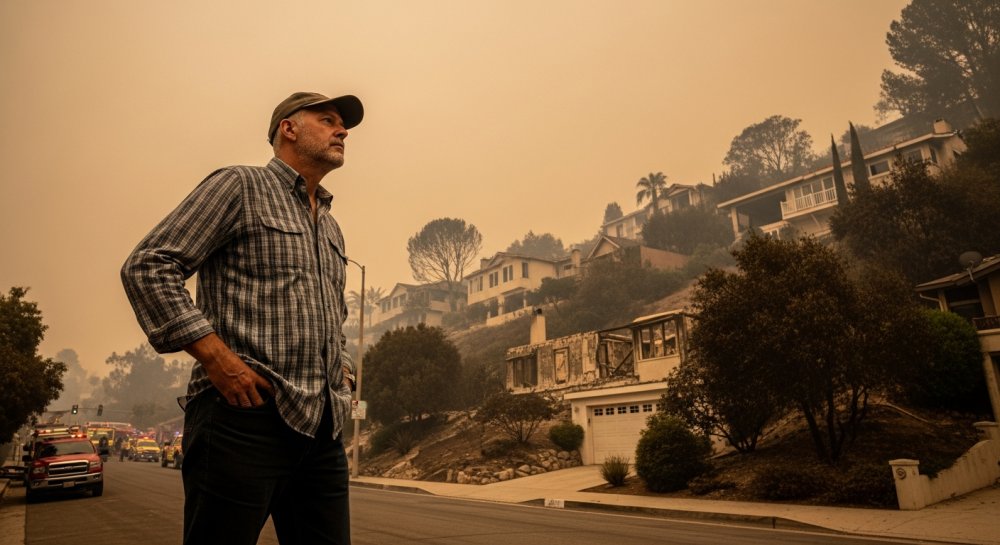
When the cameras turned to Chris Pratt during the Los Angeles fires, reporters expected the typical Hollywood response — a nod to climate change, a call for radical environmental policy. Instead, Pratt turned the cameras back on them.
The massive fires that swept through Los Angeles counties have reignited debate about the real causes behind California’s increasing vulnerability to natural disasters. While mainstream media outlets rushed to blame climate change, a closer examination reveals decades of policy failures, infrastructure neglect, and misguided priorities by state and local leadership.
California officials have long championed environmental regulations that restricted controlled burns and forest management practices proven to reduce wildfire risk. These same leaders diverted water resources away from fire suppression systems in favor of other initiatives, leaving communities exposed when disaster struck.
The state’s electrical grid, plagued by underinvestment and over-regulation, has repeatedly been implicated in fire ignitions. Yet rather than address these fundamental infrastructure problems, California’s political establishment has focused on ambitious climate initiatives that do little to protect residents from immediate threats.
Critics point to Los Angeles’ budget priorities as evidence of mismanagement. Billions allocated to programs unrelated to public safety while fire departments faced staffing shortages and equipment deficits. Water reservoir maintenance was deferred, and emergency response systems remained underfunded.
The narrative surrounding the fires demonstrates a pattern familiar to conservatives: progressive leadership deflecting from governance failures by invoking climate change as an all-purpose explanation. This approach conveniently absolves officials of responsibility for practical preparedness measures within their direct control.
California has some of the highest taxes in the nation, yet residents watched neighborhoods burn while basic fire prevention infrastructure proved inadequate. The state’s complex regulatory environment has made routine forest management prohibitively expensive and legally risky, leaving vast swaths of overgrown, combustible vegetation near populated areas.
Local water management decisions, influenced by environmental activism rather than disaster preparedness, left fire hydrants running dry in critical moments. These weren’t theoretical policy debates — they were life-and-death decisions that officials got wrong.
The fires also highlighted California’s broader exodus trend. Residents and businesses have been leaving the state in record numbers, citing high costs, regulatory burdens, and declining quality of life. The fire disaster reinforced many of these concerns, showing how ideological priorities can override practical governance.
Emergency responders performed heroically under impossible conditions created by policy choices made years before the first spark. Firefighters worked with inadequate water pressure, outdated equipment, and insufficient personnel — all while state leaders maintained some of the nation’s most expensive government operations.
The contrast between California’s self-image as a progressive model and the reality of its infrastructure failures could not be starker. A state with enormous wealth and resources proved unable to execute the basic governmental function of protecting its citizens from predictable natural disasters.
Conservative critics argue this represents the inevitable result of prioritizing ideological purity over practical competence. When governments focus more on virtue signaling than essential services, citizens pay the price — sometimes with their homes, their livelihoods, and their lives.
The Los Angeles fires serve as a wake-up call about the real-world consequences of governance driven by fashionable theories rather than time-tested principles. Climate may change, but the need for responsible stewardship of public resources and infrastructure remains constant.
As California begins the long rebuilding process, the question remains whether its leaders will learn from these failures or continue doubling down on the same approaches that left communities vulnerable. For many residents, the answer to that question will determine whether they rebuild in California or start over somewhere else.
Let us know what you think, please share your thoughts in the comments below.
