U.S. News
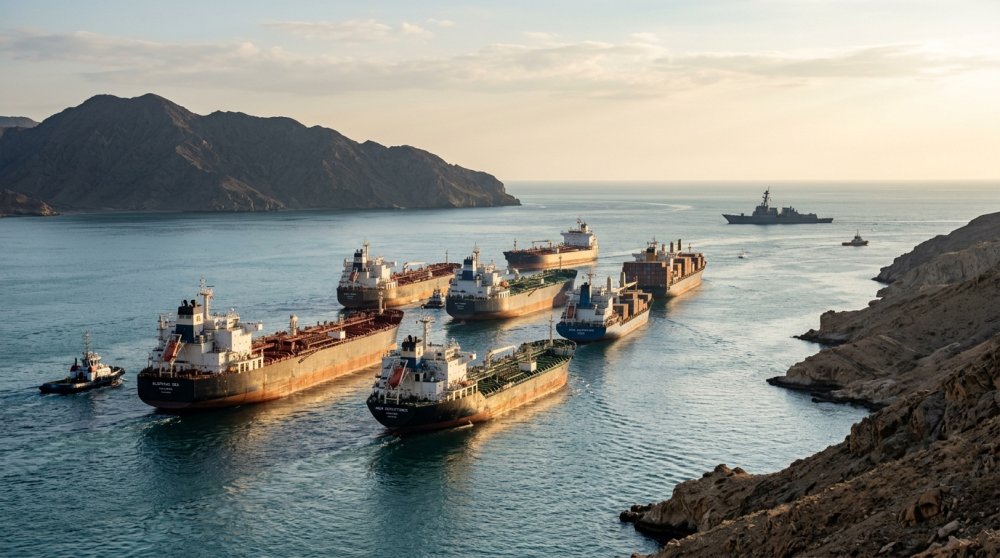
Strait of Hormuz crisis traps six thousand sailors as Iranian attacks mount

Clear Facts
- More than six thousand seafarers remain trapped near the Strait of Hormuz after repeated attacks on commercial vessels.
- The United Nations International Maritime Organization has recorded one hundred confirmed maritime incidents and twenty four sailor deaths since February.
- American forces continue to enforce a naval blockade of Iranian ports while warning all vessels of compliance requirements.
The United Nations top maritime official warned Sunday that the situation in the Strait of Hormuz remains severe and critical for international shipping. Thousands of sailors are still trapped in the area amid escalating attacks on commercial ships.
International Maritime Organization Secretary General Arsenio Dominguez told Fox News Digital that seafarers continue to perish in these attacks. He urged vessels to avoid the strait until guarantees of safety can be provided.
“The situation continues to be severe and critical when it comes to international shipping,” Dominguez stated.
“There is a double blockade and too many vessels have been attacked, particularly in recent days.”
“Seafarers have continued to perish in these attacks and around 6,000 seafarers remain trapped since the beginning of the conflict,” he added.
“My message is not to transit the Strait of Hormuz or put seafarers at risk until we have guarantees.”
Iran accused the United States military of using VHF Channel 16, an international maritime distress channel, to intimidate Iranian crews in the Persian Gulf. The Islamic Republic submitted a formal letter to the IMO claiming American forces addressed Iranian seafarers in Persian with threatening language.
“VHF Channel 16 has been repeatedly occupied for prolonged periods by the United States military forces operating in the Persian Gulf,” the letter stated.
“During such transmissions, Iranian seafarers have been addressed in Persian with threatening, abusive and provocative language and in certain instances urged to abandon their vessels.”
U.S. Central Command defended the naval blockade of Iranian ports in a statement to Fox News Digital. The command emphasized that the blockade has been in place for months and is professionally communicated to all international mariners.
“The U.S. naval blockade has been in place for months and is professionally communicated to all international mariners,” CENTCOM said.
“Vessels that refuse to comply with blockade enforcement receive multiple warnings, with ample opportunity to comply.”
“American forces remain highly vigilant, focused, and professional while fully enforcing the naval blockade against Iran.”
Dominguez noted that seafarers are not trained for combat and should not be caught in conflicts between nations. He stressed that Channel 16 was created for safety communications and not military intimidation.
“Seafarers are not trained for combat, and they are not guilty of any conflicts that are happening around the world,” Dominguez said.
The IMO has recorded fraudulent ship registrations and false flags as major contributors to the danger. Dominguez warned that irresponsible shipowners are using these tactics to transport goods through the conflict zone.
“What we’ve also seen right now is an increase in fraudulent registries with false flags that are taking the risk and acting as shuttle tankers in order to bring goods in and out,” he said.
“That’s one of the reasons that we’re seeing an escalation.”
“And it’s the irresponsible shipowners that are taking the risk in order to actually be able to trade and move some of the goods and the cargoes.”
“For me, any single case, any vessel that is attacked, any life of a seafarer that is lost, is a critical situation for me, because they are all relevant, they are all important.”
Dominguez confirmed that diplomatic channels with Iran remain open through official member state communications. The IMO will review its regulations to determine whether stronger safeguards are needed for maritime safety channels.
Let us know what you think, please share your thoughts in the comments below.
