Finance
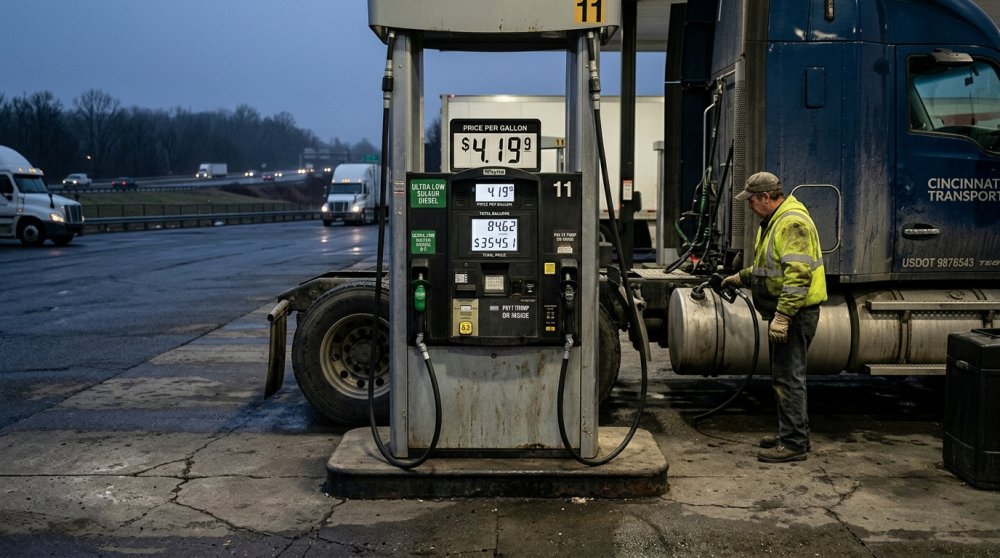
Diesel Costs Surge Past Biden-Era Peaks Under New Administration

Clear Facts
- National average diesel prices have exceeded levels seen during the Biden administration
- Commercial trucking and transportation sectors face increased operational costs
- The price surge impacts supply chain expenses and consumer goods pricing
American truckers and businesses are confronting diesel fuel costs that have climbed higher than the peak levels experienced during the Biden years. The price increase represents a significant economic challenge for the transportation industry and the broader supply chain that depends on diesel-powered commercial vehicles.
National diesel averages have surpassed previous highs, creating financial pressure on independent truckers and major freight companies alike. The cost surge directly affects operational margins across the logistics sector, which remains the backbone of American commerce.
Diesel just hit a four-year high, and it barely made the news.
The national average is back above $5.60 a gallon, up roughly $2 from a year ago, as the Iran war and hits on Russian refineries choke global supply. Gasoline gets the headlines at $4. Diesel runs the economy.
This… pic.twitter.com/dfRjIiakyQ
— Kurt S. Altrichter, CRPS® (@kurtsaltrichter) September 4, 2026
Commercial transportation relies almost exclusively on diesel fuel, making this price escalation a critical factor in the cost of goods nationwide. When diesel prices rise, those costs inevitably flow through to consumers in the form of higher prices for everything from groceries to building materials.
The trucking industry operates on thin profit margins, and fuel represents one of the largest expense categories for carriers. Independent owner-operators face particular vulnerability to price fluctuations, as they lack the purchasing power and hedging strategies available to large fleet operators.
Supply chain analysts note that sustained high diesel prices create ripple effects throughout the economy. Manufacturers, retailers, and distributors all factor transportation costs into their pricing structures, meaning diesel price increases compound as goods move through multiple distribution stages.
Agricultural producers also depend heavily on diesel fuel for farm equipment and commodity transportation. Higher fuel costs during planting and harvest seasons can significantly impact food production economics and ultimately affect grocery prices for American families.
The construction industry similarly relies on diesel-powered heavy equipment and material delivery. Project costs rise when fuel prices climb, potentially slowing infrastructure development and housing construction at a time when both remain national priorities.
Energy market analysts point to multiple factors influencing diesel pricing, including crude oil costs, refining capacity, regional demand variations, and regulatory requirements. The diesel market often experiences greater volatility than gasoline due to its industrial applications and international demand patterns.
Refineries face ongoing challenges in diesel production capacity, with some facilities having closed or converted in recent years. This reduced domestic refining capability leaves the market more susceptible to supply disruptions and price spikes during periods of high demand.
The Biden administration faced sustained criticism over energy costs during its tenure, with diesel prices becoming a focal point for concerns about inflation and economic policy. The current price levels exceeding those peaks represent a continuation of energy cost challenges that have persisted across administrations.
Small business owners who depend on delivery vehicles and commercial transportation express concern about the sustained high fuel costs. Many operate with fixed-price contracts that don’t allow for immediate cost adjustments when fuel expenses spike unexpectedly.
Economic forecasters emphasize that energy costs remain a key inflation indicator and a significant factor in overall economic health. Diesel prices particularly matter because they so directly connect to the movement of goods and the functioning of critical industries.
American energy independence and domestic production capacity continue to factor into discussions about long-term fuel price stability. Advocates for expanded domestic energy production argue that increased supply would help moderate price volatility and protect consumers from international market disruptions.
Let us know what you think, please share your thoughts in the comments below.

Mark
September 4, 2026 at 6:32 pm
Small price to pay To keep nukes out of terrorist goat porking sub human hands!!