Self-Reliance
Labeling Every Slight as Bullying Weakens Girls

Clear Facts
- Every unkind comment at school is not bullying, and overusing the label leaves girls relationally fragile.
- American Heritage Girls recommends parents ask five targeted questions to help daughters evaluate incidents before applying the bullying label.
- Real bullying involves sustained patterns, while ordinary unkindness is often one-time friction that girls can learn to handle.
Back-to-school season brings the familiar rush of carpools and forgotten backpacks. For many parents, it also brings the moment their daughter comes home saying someone was unkind. The instinct is to label it bullying, a word that commands attention from schools and parents alike.
Yet not every hurtful exchange in a middle-school hallway qualifies as bullying. Treating every slight as such can leave girls less prepared to navigate real relationships and ordinary conflict.
Girls today face a confusing social landscape. Much of what they experience and sometimes participate in is simple unkindness: gossip, selfishness, pride, a sharp word, or a closed circle for an afternoon. These moments reflect ordinary human brokenness and deserve attention, but they do not automatically meet the standard of bullying.
At American Heritage Girls, leaders have spent three decades working with mothers and mentors to build character in girls. The group finds that girls benefit more from learning how to evaluate what happened than from quickly receiving the label of bully or victim.
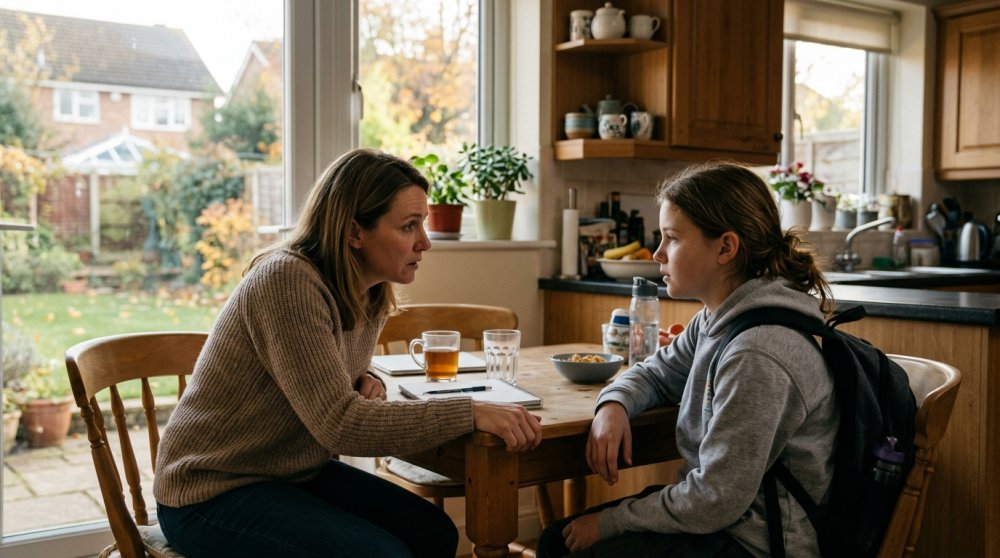
This fall, parents are encouraged to ask their daughters five specific questions before deciding what occurred.
How long has this been going on?
Why do you think it happened?
Did it hurt your feelings, or did it scare you?
Is there anything you did that we should talk about, too?
What do you need from me, and who else needs to know?
These questions separate ordinary unkindness from genuine bullying. A single harsh comment differs from repeated targeting over weeks. Inviting a charitable view of the other girl keeps a daughter’s heart from hardening. Distinguishing hurt feelings from fear helps determine whether comfort or protection is required. Asking whether the daughter played any role fosters honesty rather than one-sided blame. Finally, clarifying what the daughter needs teaches that seeking help is strength.
If the answers reveal sustained harm, parents should act quickly and firmly. Protection is never optional. For the everyday friction of growing up, however, the framework offers clarity and grace without rushing to labels.
Raising daughters who can distinguish a hard day from a real pattern strengthens them for the relationships ahead.
Let us know what you think, please share your thoughts in the comments below.
