Crime
Mail-Order Abortion Drugs Enable Abuse

Clear Facts
- A West Point cadet has been accused of secretly giving his pregnant girlfriend abortion drugs obtained online, resulting in her miscarriage and hospitalization.
- Multiple documented cases show men obtaining abortion drugs through mail-order services and using them to force abortions without women’s consent.
- The Biden administration removed the requirement for in-person medical visits before dispensing abortion drugs, enabling nationwide mail-order distribution.
Recent reports reveal a disturbing pattern of abuse involving abortion drugs obtained through mail-order channels. A West Point cadet stands accused of drugging his pregnant girlfriend while she was incapacitated, causing her to suffer violent bleeding and lose her baby. This case has drawn millions of views online and highlights growing concerns about how these powerful medications can be weaponized against women.
Similar incidents have surfaced across the country. An Ohio woman named Jona Affholder reported that her ex-boyfriend forced crushed abortion pills down her throat in the middle of the night. Another woman, Catherine Herring, claimed her husband purchased the drugs online and began poisoning her with them without her knowledge.
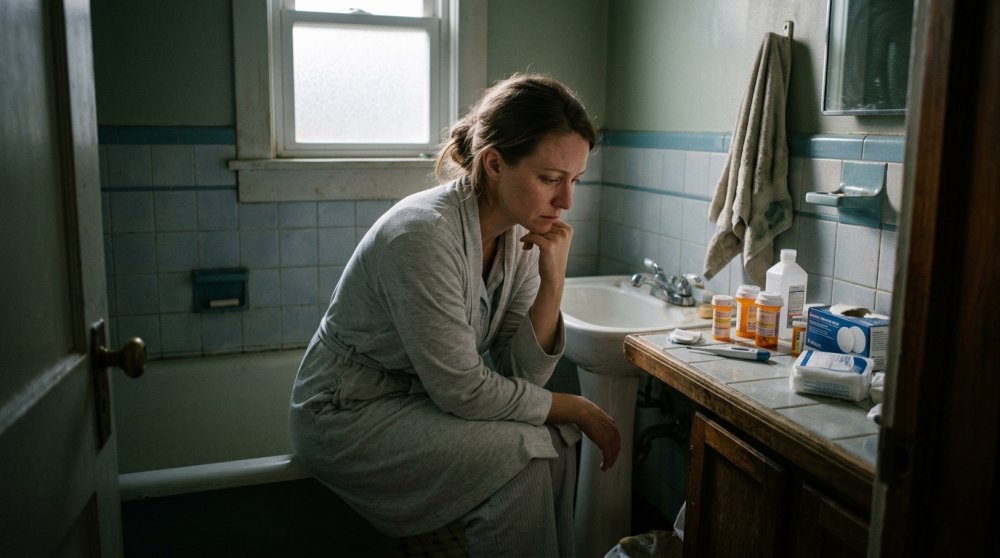
Haile McAnally, a Nebraska pro-life advocate who survived life-threatening complications after taking abortion pills, sees these cases as part of a broader problem. She recalls her own experience of hemorrhaging alone in her bathtub after taking the drugs, an outcome far removed from the safety she was promised.
McAnally notes that fourteen years ago, women still faced certain barriers when obtaining these medications. Today, the process requires little more effort than ordering everyday items online, and the drugs can be acquired by anyone regardless of gender or medical necessity.
The policy change that enabled this situation came during the Biden administration when officials authorized prescribers to mail abortion drugs across state lines without requiring in-person medical consultations. This decision expanded access but also created opportunities for coercion and abuse that were not adequately considered.
Critics argue that the abortion industry has prioritized expanded distribution over patient safety. They point out that these drugs carry FDA black-box warnings yet have been made available with fewer medical safeguards than before. The industry claims to serve women, but policies that remove oversight and enable mail-order access have increased risks for those it claims to protect.
McAnally believes the current administration should restore the previous requirement for in-person office visits that existed during President Trump’s first term. She argues that behind every statistic are real women whose health and safety have been compromised by policies that treat their wellbeing as secondary to ideological goals.
Let us know what you think, please share your thoughts in the comments below.
