U.S. News
Bank Impersonation Scams Rising Fast

Clear Facts
- Scammers are impersonating banks using caller ID spoofing to trick Americans into giving up sensitive information.
- Technology and AI are making these scams more convincing and harder for victims to detect.
- The most effective defense is to never answer unexpected calls from banks or financial institutions and always verify through trusted contact methods.
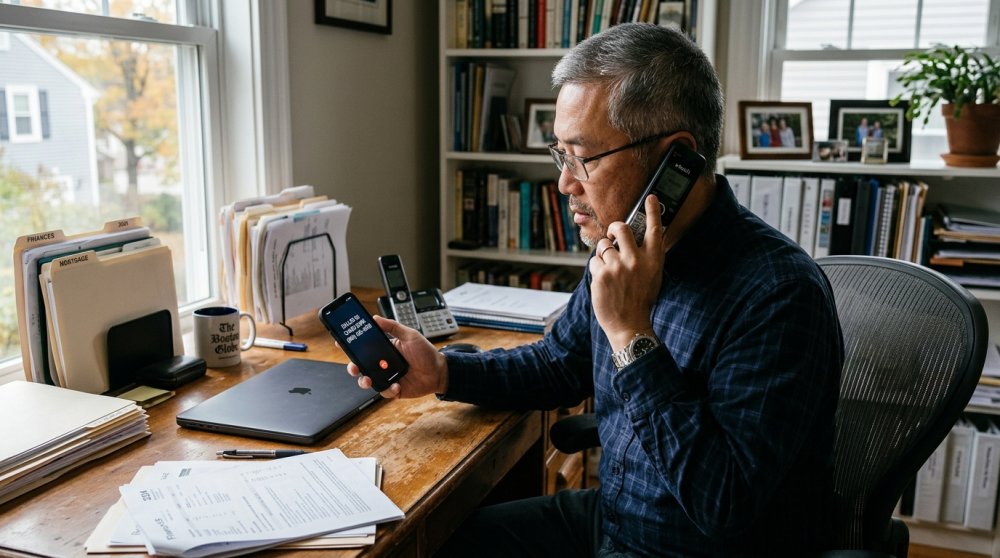
Scammers are impersonating banks and other trusted companies with increasing sophistication. They use caller ID spoofing to display legitimate company names and numbers on victims’ phones.
This tactic allows fraudsters to gain credibility before attempting to extract personal or financial details from unsuspecting Americans.
Technology can help increase our productivity, but it also can boost scammers by enabling increasingly sophisticated tactics that allow them to impersonate companies, access sensitive information, and create a panic that causes even the savviest people to unwittingly help them complete their scams.
If you see your bank, credit card company, Amazon, Microsoft, or any other company with whom you do business calling, and you aren’t immediately expecting that call, do not answer your phone.
Scammers are “spoofing” phone numbers so that the phone number shows up on your phone with the name of a big company even though they are not affiliated with it. Sometimes, it even shows the correct phone number even though they are calling from another number.
If you don’t answer your phone, you take away a huge tool for scammers: their ability to create urgency and panic. When you are told that you are the subject of fraud, that your money is at risk, or something similar, and you need to take action, you panic.
In a state of panic, you do not think clearly, and this can lead you to take actions that you would never undertake in a calm state.
I personally suggest not answering any phone calls. If you receive a call, try calling the person or business back using the number in your contacts if they leave a message.
If you get a voicemail message about an issue (such as supposedly being the victim of a scam) or a text or email, again, do not panic.
Instead, find a trusted touchpoint. For banks, credit card companies, and other financial providers, find their phone number on the back of your bank card or on an old paper statement that you know is legitimate.
You can also go to their website and look for a phone number or customer service email address. This puts you in control of the contact, and you can safely find out if there is legitimately an issue or if you have been contacted by a scammer.
Controlling the contact instead of letting the scammer be in control is key to fighting scams. If you do let a text or phone call break through (and you shouldn’t, but I know it happens), do not respond or give out sensitive information in response to their requests.
For example, they may send you a text and ask for a security code sent to your phone. Again, this is them trying to scam you, not help you. Giving up codes like this could help them drain your bank account.
Instead, again, seek out a trusted phone number and call the company to verify whether there is a problem. If there is, they can help you directly. Much of the time, you will find out it was a scam attempt.
Creating urgency is key for scammers. They make you worried. As noted above, you get into a state of panic, and you take action without thinking.
If you are asked to take any urgent action, such as going to a bank immediately, withdrawing or moving funds, buying gift cards, immediately giving out information, or anything else, stop and take a beat.
The same goes for secrecy. If they tell you not to contact the police or not to tell the bank teller what is going on because they might be in on it, do not listen. You are not James Bond, and you are not caught up in an international stakeout—you are simply a person whom a fraudster is trying to trick.
Reset and call your financial institution or the police for guidance. This may sound obvious while you are reading it, but thousands of well-meaning people have fallen victim to the psychological manipulation of scammers.
Finally, with AI technology, even voices are being spoofed. Have a family code phrase among your family members that isn’t published anywhere. Then, if someone calls using your loved one’s voice as part of a scam, you can ask for the code phrase. If it isn’t given, you will know it is not your family member.
Scammers are everywhere. They are relentless, and they will stop at nothing to try to fleece you. Be diligent, take control of your communications, and defuse urgency so that they do not succeed.
Let us know what you think, please share your thoughts in the comments below.
