Politics
California Proposes Criminal Penalties for Citizen Journalists Recording Government Officials

Clear Facts
- California Assembly Bill 2624, dubbed the ‘Stop Nick Shirley Act,’ advances in the state legislature with potential criminal penalties for citizen journalists
- The bill targets individuals who record government officials in public spaces, raising First Amendment concerns among free speech advocates
- Critics warn the legislation could criminalize constitutional activities and shield public officials from accountability
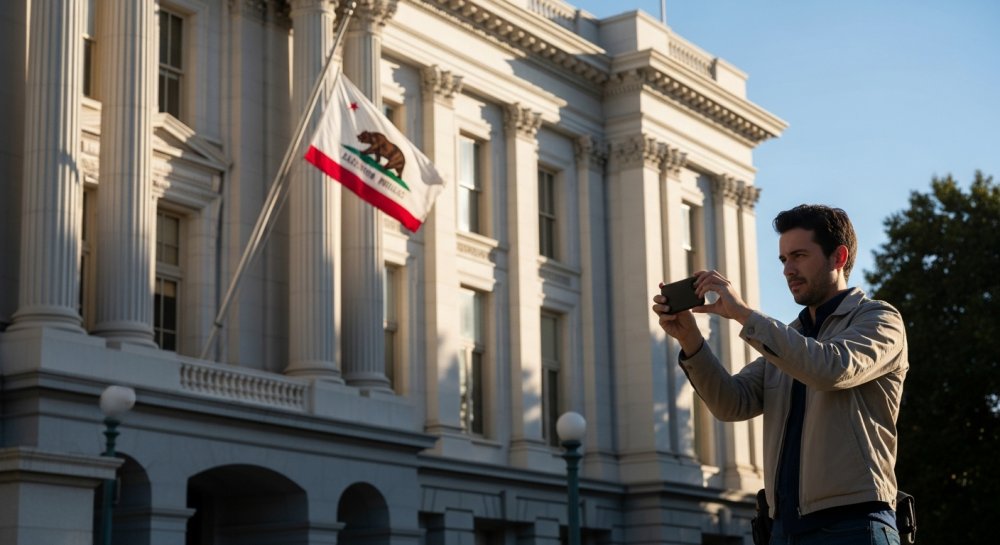
California lawmakers are pushing forward with controversial legislation that critics say threatens the fundamental right of citizens to record government officials in public spaces. Assembly Bill 2624, which has been nicknamed the “Stop Nick Shirley Act” after a prominent citizen journalist, would create new criminal penalties for recording activities that are currently protected under the First Amendment.
The bill has sparked fierce opposition from free speech advocates who argue it represents a dangerous expansion of government power. By potentially criminalizing the act of recording public officials performing their duties, the legislation could shield government workers from accountability and transparency—core principles of American democracy.
Citizen journalism has become an increasingly important tool for exposing government waste, corruption, and misconduct. From local city councils to federal agencies, ordinary Americans armed with smartphones have documented countless instances of official wrongdoing that might otherwise have gone unnoticed by traditional media outlets.
The targeting of Nick Shirley, a citizen journalist known for his public records requests and documentation of government operations, signals what many conservatives view as a troubling trend. Rather than addressing legitimate concerns about government transparency, California legislators appear to be crafting laws designed to protect officials from scrutiny.
First Amendment experts have raised serious constitutional questions about AB 2624. The Supreme Court has repeatedly affirmed that recording government officials in public spaces falls under protected speech, and any attempt to criminalize such activity would likely face significant legal challenges.
The bill’s advancement comes amid broader concerns about California’s approach to civil liberties. The state has faced criticism for policies that many conservatives believe prioritize government control over individual rights, from restrictions on religious gatherings to limitations on business operations.
As the legislation moves through committee, opponents are calling on California residents to contact their representatives and demand protection for constitutional rights. The ability to document government actions without fear of prosecution remains essential to maintaining an informed citizenry and accountable government.
Let us know what you think, please share your thoughts in the comments below.
