Politics
What Iran War Spending Could Have Built Instead

Clear Facts
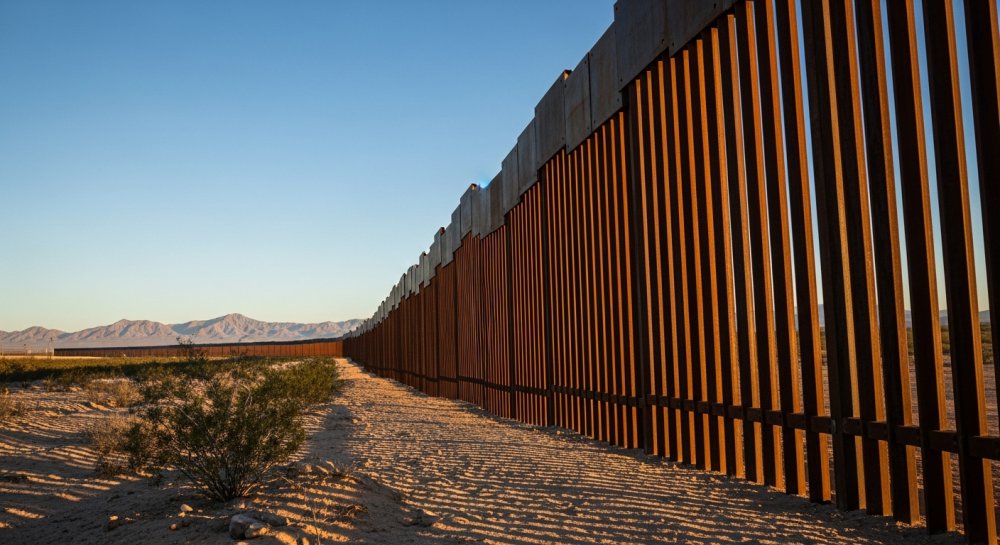
- Defense spending on Iran-related operations has exceeded the cost of constructing over 1,000 miles of border wall
- Border security advocates argue the funds could have completed significant portions of southern border infrastructure
- The comparison highlights ongoing debate over national security priorities and resource allocation
A new analysis of U.S. defense expenditures reveals that American taxpayers have funded Iran-related military operations at a cost that surpasses what it would take to build more than 1,000 miles of border wall along the southern frontier. The figures have reignited debate over how Washington prioritizes national security spending.
The comparison comes as border security remains a top concern for millions of Americans who have watched illegal crossings surge to unprecedented levels in recent years. Meanwhile, billions in defense dollars continue flowing toward Middle Eastern operations with no clear end in sight.
Border wall construction, championed by conservative lawmakers and grassroots activists, has faced persistent funding battles in Congress. Critics of current spending priorities argue that securing America’s own borders should take precedence over foreign military engagements.
The cost analysis includes direct military operations, regional deployments, naval presence in the Persian Gulf, and related defense commitments. When tallied, these expenditures dwarf the estimated per-mile cost of border wall construction, which includes both materials and installation.
Supporters of robust border infrastructure point to the tangible benefits of physical barriers: reduced illegal crossings, enhanced Border Patrol effectiveness, and decreased drug trafficking in secured sectors. They contrast these measurable outcomes with the less definable results of Middle Eastern military presence.
National security experts offer varying perspectives on the comparison. Some argue that preventing regional instability serves broader American interests, while others contend that homeland security demands more immediate attention and resources.
The debate reflects a fundamental divide in conservative circles between traditional interventionist foreign policy and an America First approach that prioritizes domestic security and infrastructure. This tension has shaped Republican policy discussions since 2016.
Border states continue reporting strain on local resources, from law enforcement to healthcare systems, as federal immigration policy remains contested. Governors in Texas, Arizona, and other states have undertaken their own border security measures in the absence of comprehensive federal action.
As Washington prepares upcoming budget debates, the stark financial comparison between foreign military operations and domestic border security is likely to feature prominently in congressional hearings and campaign messaging.
Let us know what you think, please share your thoughts in the comments below.
