World News
Iran’s Blockade Tightens As New Energy Crisis Emerges

Clear Facts
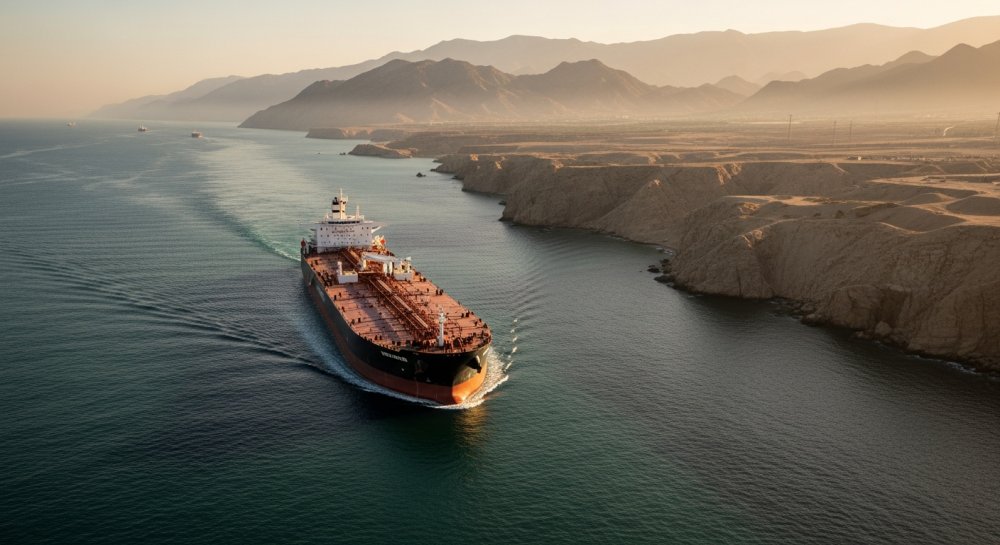
- Iran’s ongoing military actions in the Strait of Hormuz continue to threaten global oil supplies, with approximately 20% of the world’s petroleum passing through the narrow waterway
- Energy experts warn a separate crisis is developing as strategic petroleum reserves remain at critically low levels following previous administration drawdowns
- Oil prices have surged amid the continued Middle East tensions, with industry analysts predicting further increases if the situation escalates
As Iran maintains its chokehold on one of the world’s most critical energy corridors, a compounding crisis threatens America’s energy security. The Islamic Republic’s aggressive posturing in the Strait of Hormuz has already sent shockwaves through global oil markets, but experts warn the real danger may lie in America’s diminished ability to respond.
The strategic petroleum reserve, designed to cushion America against exactly this type of supply disruption, sits at levels not seen in decades. Previous administrations drained these emergency stockpiles to artificially suppress gas prices, leaving the nation vulnerable at precisely the wrong moment.
“The clock is ticking,” warned energy analysts familiar with the situation. The combination of external threats and internal unpreparedness creates what many describe as a perfect storm for American consumers and national security.
Iran’s ability to threaten the Strait of Hormuz — through which roughly one-fifth of global oil supplies flow — represents more than an economic concern. It’s a stark reminder of how American energy policy decisions made for short-term political gain can compromise long-term national interests.
The narrow waterway, at its slimmest point only 21 miles wide, has long been recognized as a critical vulnerability in global energy infrastructure. Iran’s Islamic Revolutionary Guard Corps has repeatedly demonstrated its willingness to weaponize this geography, from seizing tankers to threatening closure of the strait entirely.
Current oil prices reflect the market’s recognition of these dual threats. Traders are pricing in not just the immediate risk of supply disruption, but the longer-term concern that America lacks the strategic reserves to weather a prolonged crisis.
Industry experts point out that rebuilding strategic reserves takes time and significant investment — resources that become far more expensive when undertaken during a crisis rather than in preparation for one. The current situation exemplifies the cost of reactive rather than proactive energy policy.
The implications extend beyond gas prices at the pump. America’s industrial capacity, agricultural output, and overall economic competitiveness all depend on stable, affordable energy supplies. When those supplies face dual threats — one external, one self-inflicted — the entire economy becomes vulnerable.
Conservative energy policy advocates have long warned against depleting strategic reserves for non-emergency purposes. The current crisis appears to validate those concerns, demonstrating how energy independence and preparedness directly impact national security.
As tensions continue in the Middle East, the question facing policymakers is not just how to address Iran’s aggressive behavior, but how to rebuild America’s capacity to withstand energy supply shocks. The answer will likely determine both economic stability and geopolitical positioning for years to come.
Let us know what you think, please share your thoughts in the comments below.
