World News
Mexican Officials Named in Federal Cartel Conspiracy Indictment

Clear Facts
- The Department of Justice has indicted multiple Mexican politicians for allegedly conspiring with the Sinaloa Cartel
- Federal prosecutors claim the conspiracy involved deliberate coordination between elected officials and cartel leadership
- The indictment represents a significant escalation in U.S. enforcement against cross-border narcotics trafficking
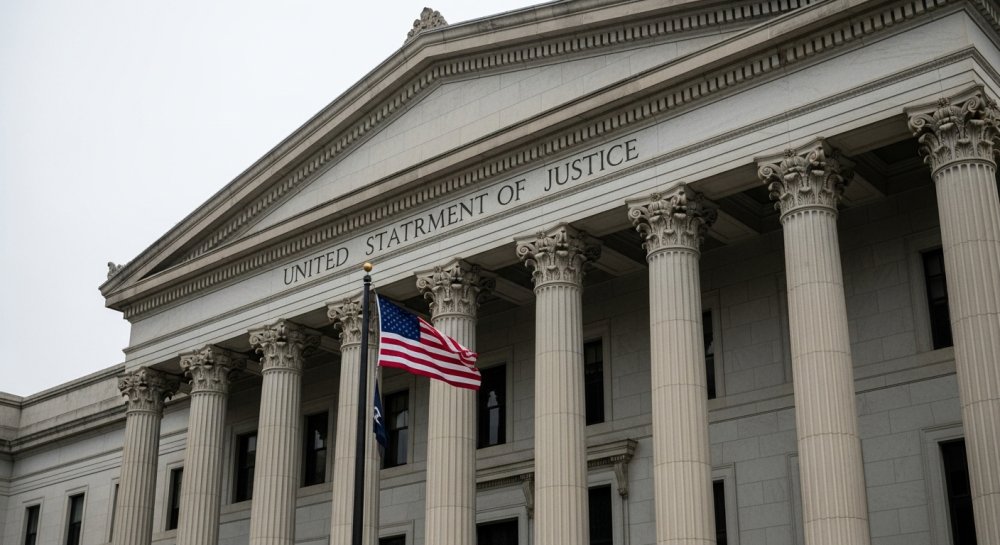
The Department of Justice has taken unprecedented action against Mexican officials, formally charging multiple politicians with conspiracy to aid one of the world’s most dangerous drug trafficking organizations. The indictment alleges a coordinated effort between elected government officials and the notorious Sinaloa Cartel to facilitate drug smuggling operations into the United States.
Federal prosecutors have described the charges as evidence of systemic corruption that has enabled the flow of deadly narcotics across America’s southern border. The allegations point to a troubling relationship between those elected to serve the public and criminal enterprises that have devastated American communities with fentanyl and other dangerous drugs.
“This indictment exposes a deliberate effort,” according to the Justice Department’s announcement.
The Sinaloa Cartel has long been recognized as one of the most powerful and violent criminal organizations operating along the U.S.-Mexico border. The cartel has been directly linked to the trafficking of fentanyl, methamphetamine, cocaine, and heroin into American cities and towns. The synthetic opioid crisis, driven largely by cartel-supplied fentanyl, has claimed hundreds of thousands of American lives in recent years.
The federal indictment signals the Biden administration’s acknowledgment that corruption within Mexican government institutions has become a critical national security concern for the United States. For years, conservative lawmakers and border security advocates have warned that cartel influence over Mexican officials undermines cooperative enforcement efforts and allows criminal networks to operate with near impunity.
The charges come as border security remains a top concern for American voters, particularly in border states where cartel violence and drug trafficking have direct impacts on public safety. Critics of current border policies have consistently argued that without accountability for corrupt foreign officials, efforts to secure the southern border will remain insufficient.
While the Justice Department has not yet released the full details of the indictment, including the specific names of all officials charged or the exact nature of their alleged cooperation with cartel leadership, the announcement represents a significant step in addressing the root causes of cross-border criminal activity. The indictment suggests federal investigators have gathered substantial evidence of coordination between government actors and cartel operatives.
The timing of these charges raises questions about the broader relationship between the United States and Mexico on matters of border security and drug enforcement. Effective cooperation requires trust and transparency, both of which are compromised when elected officials are alleged to be working directly with the criminal organizations they are supposed to combat.
This development underscores the complex challenges facing American law enforcement as they work to dismantle international drug trafficking networks. The allegations of political corruption at high levels of Mexican government suggest that military and law enforcement efforts alone cannot solve the crisis without addressing the institutional failures that allow cartels to flourish.
Conservative policy experts have long advocated for stronger accountability measures and consequences for foreign officials who enable drug trafficking into the United States. These indictments may represent a shift toward holding such individuals legally responsible under U.S. law, even when they operate from foreign soil.
The case will test the limits of international cooperation and extradition agreements between the two nations. It remains unclear whether Mexican authorities will cooperate with U.S. requests to apprehend and extradite the indicted officials, or whether diplomatic tensions will complicate prosecution efforts.
Let us know what you think, please share your thoughts in the comments below.
