U.S. News
Cruise Ship Evacuees Arrive in U.S. After Hantavirus Outbreak at Sea

Clear Facts
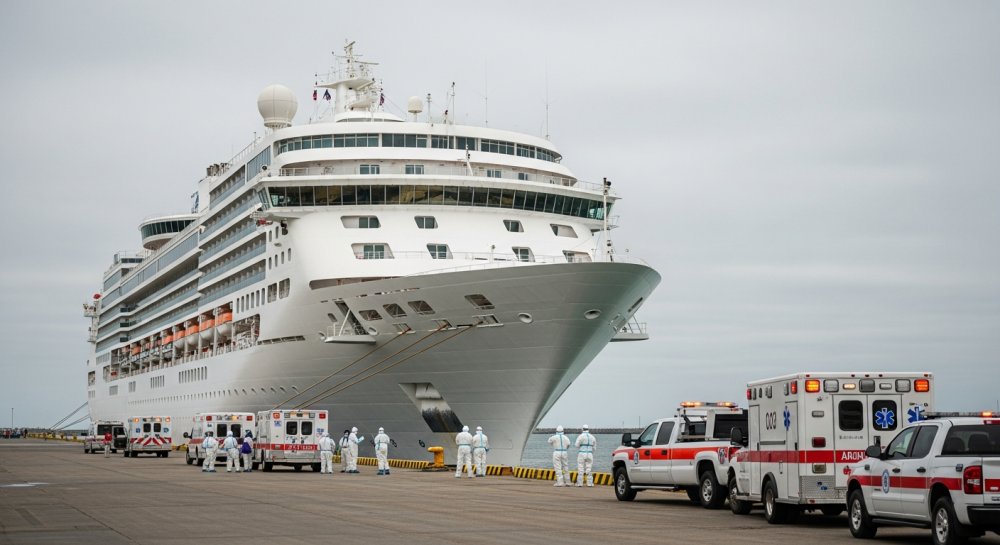
- American passengers from a hantavirus-affected cruise ship in the Atlantic have been repatriated to the United States
- One evacuee has tested mildly positive for hantavirus
- A second passenger is displaying symptoms consistent with the virus
American citizens evacuated from a cruise ship in the Atlantic Ocean are back on U.S. soil following a hantavirus outbreak aboard the vessel. Health officials have confirmed that one passenger has tested mildly positive for the rare but serious virus, while another individual is showing symptoms.
The repatriation effort comes after concerns mounted about the viral outbreak during the cruise. Hantavirus is typically transmitted through contact with rodent droppings, urine, or saliva, raising questions about sanitation conditions aboard the ship.
HHS through @ASPRgov and @CDCgov is supporting @StateDept in the repatriation of 17 American citizens from the MV Hondius cruise ship affected by the Andes variant of hantavirus.
All 17 are currently en route via @StateDept airlift to the United States, with two of the…
— HHS (@HHSGov) May 11, 2026
Cinq de nos compatriotes présents sur le MV Hondius, foyer d’infection à Hantavirus, ont été rapatriés sur le territoire national. L’un d’entre eux a présenté des symptômes dans l’avion de rapatriement.
Aussi, ces cinq passagers ont tout de suite été placés en isolement strict…
— Sébastien Lecornu (@SebLecornu) May 10, 2026
I want to express my support for the government of Spain & others as they manage the #hantavirus in close coordination with our @WHO colleagues.
While the current public health risk from the virus remains low, it’s important that international health efforts ensure the safety of…
— António Guterres (@antonioguterres) May 11, 2026
NIH Director Dr. Jay Bhattacharya says Americans should not panic over hantavirus, emphasizing the CDC is actively monitoring the outbreak.
Watch OAN on Spectrum and YouTube TV today for more updates. pic.twitter.com/k2jlcQNQM9
— One America News (@OANN) May 11, 2026
Health authorities are monitoring all evacuated passengers closely for signs of infection. The virus can cause severe respiratory illness and has a mortality rate of approximately 38 percent in cases that develop into hantavirus pulmonary syndrome.
The affected passengers are receiving medical care and undergoing further testing to determine the severity of their conditions. Public health officials have not disclosed which cruise line operated the vessel or how many total passengers were aboard during the outbreak.
Hantavirus infections are rare in the United States, with most cases occurring in rural areas where contact with infected rodents is more common. The appearance of the virus on a cruise ship represents an unusual transmission scenario that will likely prompt investigation into the vessel’s pest control and hygiene protocols.
Federal health agencies are coordinating with cruise industry officials to prevent further spread and to trace potential contacts of the infected individuals. All passengers who shared the ship with the confirmed case are being advised to monitor for symptoms including fever, muscle aches, and breathing difficulties.
Let us know what you think, please share your thoughts in the comments below.
