U.S. News
Lindsay Clancy Mistrial Leaves Children’s Murders Unresolved

Clear Facts
- Judge William Sullivan declared a mistrial after jurors failed to reach a unanimous verdict in the triple-murder trial of Lindsay Clancy.
- Clancy killed her three children by strangling them with exercise bands in the family home in Duxbury, Massachusetts.
- The jury remained deadlocked after multiple days of deliberation and a final court instruction to reach a verdict.
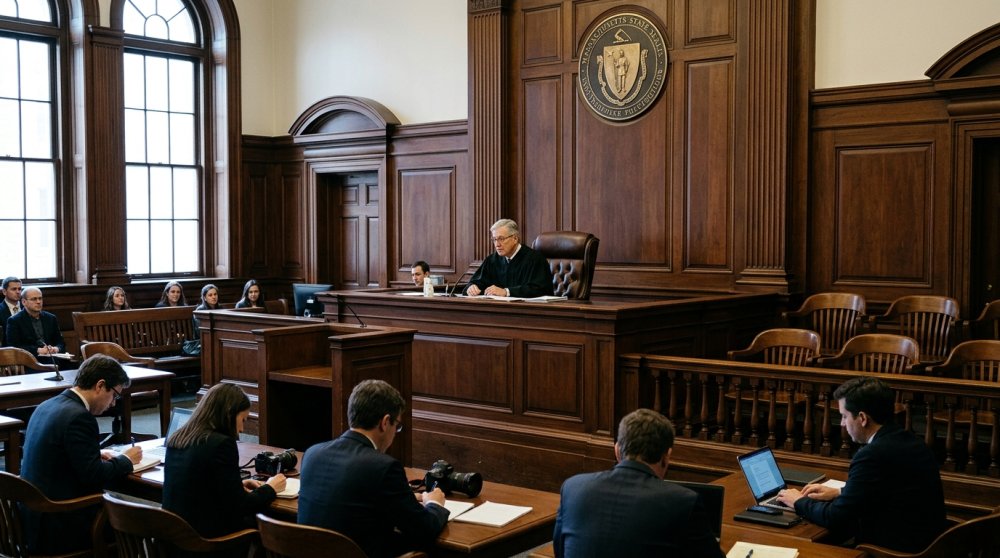
The Massachusetts courtroom fell silent Friday when Judge William Sullivan announced the mistrial in the triple-murder case against Lindsay Clancy. The nine-woman, three-man jury had deliberated roughly thirty-eight hours without reaching a unanimous decision.
“With a heavy heart we report we cannot come to a unanimous decision,” the jurors wrote in their final note to the court.
Defense attorney Kevin Reddington made a last-minute appeal to the Massachusetts Supreme Judicial Court, asking that a single holdout juror be removed for alleged bias against mental illness. The high court denied the emergency request.
Earlier tension erupted when the judge refused to dismiss the disputed juror, prompting sharp exchanges over reasonable-doubt instructions. Reporters observed Reddington visibly angry and frustrated during the sidebar.
Clancy remains in custody at Tewksbury State Hospital, a psychiatric facility, while prosecutors consider whether to retry the case.
The jury first reported deadlock on Tuesday, then again on Wednesday after more than twenty-seven hours of deliberation. Judge Sullivan issued the standard Tuey-Rodriguez instruction, urging jurors to reconsider their positions, yet they remained split on Friday.
Prosecutors presented evidence that Clancy methodically planned the January 24, 2023 killings. She sent her husband Patrick on two errands, researched how long he would be gone, then strangled their three young children with exercise bands while they were alone in the Duxbury home.
Clancy attempted suicide by jumping from a second-story window after cutting her wrists. The children died; she survived but is now paralyzed from the waist down.
The defense rested on an insanity claim, arguing postpartum psychosis left Clancy unable to understand right from wrong. Massachusetts law allows a finding of not criminally responsible when a mental disease prevents a person from grasping the wrongfulness of their conduct.
The state countered that Clancy made calculated decisions before the murders and understood the nature of her actions. Prosecutors maintained she chose to end her life and take the children with her.
The case drew national attention, with some online voices pushing unsubstantiated claims that Clancy bore no responsibility. A GoFundMe for her family collected more than one million dollars despite the severity of the crimes.
Let us know what you think, please share your thoughts in the comments below.
