Politics
Judge Shields ABC Licenses From Early FCC Review

Clear Facts
- A federal judge issued a temporary restraining order preventing the FCC from conducting early renewal reviews of ABC-owned broadcast licenses.
- The ruling came after ABC and Disney sued the FCC, claiming the review was retaliation for a Jimmy Kimmel joke about First Lady Melania Trump.
- Judge Loren AliKhan found that ABC was likely to succeed on First Amendment grounds but denied the network’s broader request to block all future FCC actions.
A federal judge has temporarily blocked the Federal Communications Commission from launching an early review of ABC station licenses. The decision comes amid claims by ABC and its parent company Disney that the move was political retaliation for programming content.
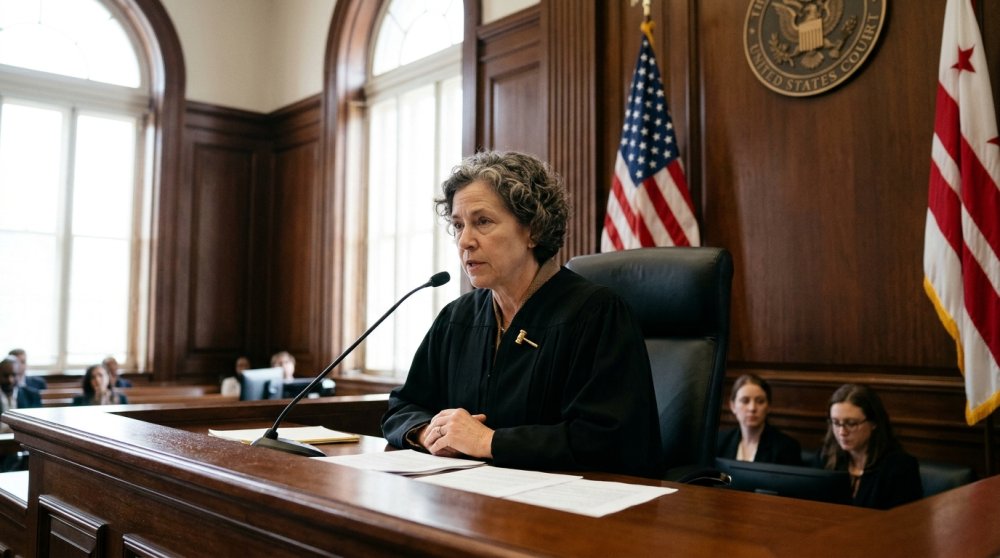
U.S. District Judge Loren AliKhan granted the network’s request for a temporary restraining order and preliminary injunction, writing that ABC proved a campaign of retaliation tied to its exercise of First Amendment rights. The judge described the case as straightforward and noted an irreparable injury to the network.
“This is not a close case,” AliKhan stated in her ruling.
The dispute stems from an April order by FCC Commissioner Brendan Carr requiring eight ABC stations to submit license renewal applications years ahead of schedule. The order followed a joke by late-night host Jimmy Kimmel during a skit on “Jimmy Kimmel Live!” in which he made a comment about First Lady Melania Trump.
“Mrs. Trump, you have a glow like an expectant widow,” Kimmel said during the routine.
President Donald Trump publicly called for Kimmel to be fired in response to the comment, writing on social media that ABC should act soon. The FCC’s early license review was viewed by ABC and Disney as an attempt to pressure the network over the content of its programming.
ABC hailed the judge’s decision as an important victory for the First Amendment. The network had also sought to prevent the FCC from taking any informal steps to influence its editorial decisions, but the judge rejected that broader request, stating that ABC had not identified specific future threats beyond the license proceedings.
The FCC responded by stating that the portion of the ruling granting relief to Disney is wrong on the facts and wrong on the law. The agency said it would continue to use its authority to hold broadcasters accountable to their public interest obligations and expressed confidence it would ultimately prevail.
The ruling underscores ongoing tensions between the federal government and major media networks over the limits of regulatory authority and free speech protections.
Let us know what you think, please share your thoughts in the comments below.
