Politics
Treasury Secretary Reveals When Americans Can Expect Real Relief at the Pump

Clear Facts
- Treasury Secretary Scott Bessent predicts gas prices will remain at Biden-era levels through summer 2025 due to Middle East conflict
- National average gas price currently stands at $3.09 per gallon, down from $3.27 when Trump took office
- Bessent attributed recent price drops to increased U.S. energy production and reduced global oil prices despite Iran tensions
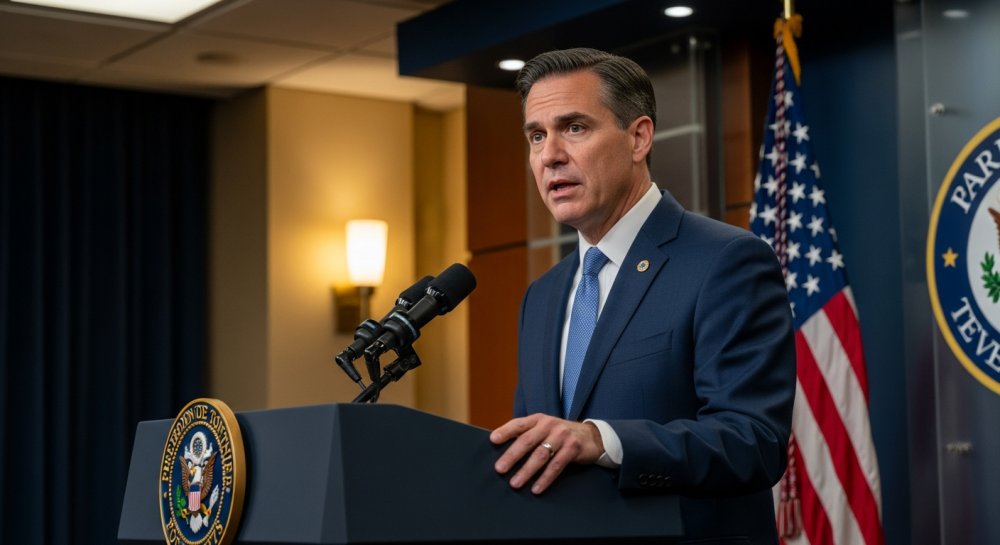
Treasury Secretary Scott Bessent told reporters that American drivers shouldn’t expect significant relief at the gas pump until after summer, citing ongoing military operations in the Middle East as a key factor keeping fuel costs elevated.
During a press briefing, Bessent acknowledged that pump prices have decreased since President Trump’s inauguration but cautioned that geopolitical tensions will continue to impact domestic fuel costs. The national average currently sits at $3.09 per gallon, representing an 18-cent decline from the $3.27 average when the new administration took office in January.
“They’ve come down substantially,” Bessent said, referring to current gas prices.
The Treasury Secretary pointed to the administration’s efforts to boost domestic energy production as a counterweight to international pressures on oil markets. Despite heightened military activity involving Iran, global oil prices have actually decreased in recent weeks, providing some relief to American consumers.
Bessent emphasized that the administration remains focused on energy independence as a long-term solution to insulate American families from foreign conflicts that traditionally spike fuel costs. The current situation represents a test of whether increased U.S. production can effectively buffer domestic prices from Middle Eastern instability.
Industry analysts have noted that summer traditionally brings higher gas prices due to increased demand from vacation travel and the seasonal switch to more expensive summer-blend gasoline required by environmental regulations. The combination of seasonal factors and ongoing military operations creates a challenging environment for significant price reductions in the near term.
The administration has consistently prioritized energy policy as central to economic recovery and national security. Expanding domestic drilling and reducing regulatory barriers remain key components of the broader strategy to achieve energy dominance and protect American consumers from volatile international markets.
Let us know what you think, please share your thoughts in the comments below.
