Health
White House Secures Nine Major Pharma Agreements to Cut Drug Prices

Clear Facts
- President Trump announced nine new agreements with pharmaceutical manufacturers to reduce prescription drug costs
- The agreements represent a major healthcare reform milestone for the administration
- The policy aims to deliver direct savings to American consumers on prescription medications
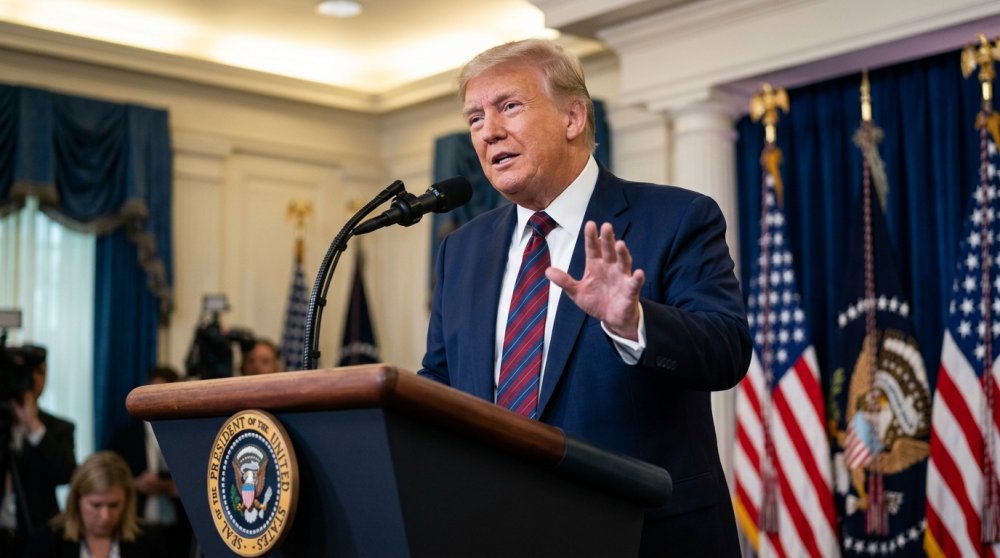
President Donald Trump has secured nine new agreements with pharmaceutical manufacturers in a significant move to lower prescription drug costs for American families. The announcements mark a major policy achievement in the administration’s ongoing healthcare reform efforts.
The agreements are designed to deliver immediate relief to Americans struggling with high medication costs. By working directly with pharmaceutical companies, the White House has negotiated terms that will translate into real savings at the pharmacy counter.
President Trump says Americans are now paying the lowest prescription drug prices in the world after his administration secured major price cuts.
Trump says drug costs have already fallen and could drop by as much as 80%, calling it a historic achievement that he says deserves… pic.twitter.com/BlRl94Rrxu
— One America News (@OANN) August 31, 2026
This development represents the culmination of the President’s longstanding commitment to tackle one of the most pressing economic concerns facing American households. Prescription drug pricing has been a key priority since the beginning of his administration.
The new framework demonstrates how market-based solutions and direct negotiation can achieve results without heavy-handed government mandates. Rather than imposing bureaucratic price controls, the administration has leveraged its position to broker voluntary agreements that benefit both consumers and manufacturers.
These agreements are expected to create competitive pressure across the pharmaceutical industry, potentially encouraging additional companies to offer similar pricing commitments. The ripple effect could extend far beyond the nine initial participants.
For millions of Americans, particularly seniors on fixed incomes and families managing chronic conditions, lower prescription costs will provide meaningful financial relief. The savings will help household budgets stretch further while ensuring continued access to necessary medications.
The pharmaceutical industry’s willingness to partner with the administration on this initiative reflects a recognition that addressing cost concerns is essential for long-term market stability and public trust.
Details of the individual agreements will determine the scope and scale of savings for specific medications. Implementation timelines and participating drug classes will be critical factors in measuring the program’s success.
This announcement builds on previous administration efforts to increase drug price transparency, eliminate middleman markups, and promote generic competition. The multi-pronged approach addresses various factors that contribute to high prescription costs.
Let us know what you think, please share your thoughts in the comments below.
