U.S. News
Democrats Question 9/11 Remembrance as Anniversary Approaches

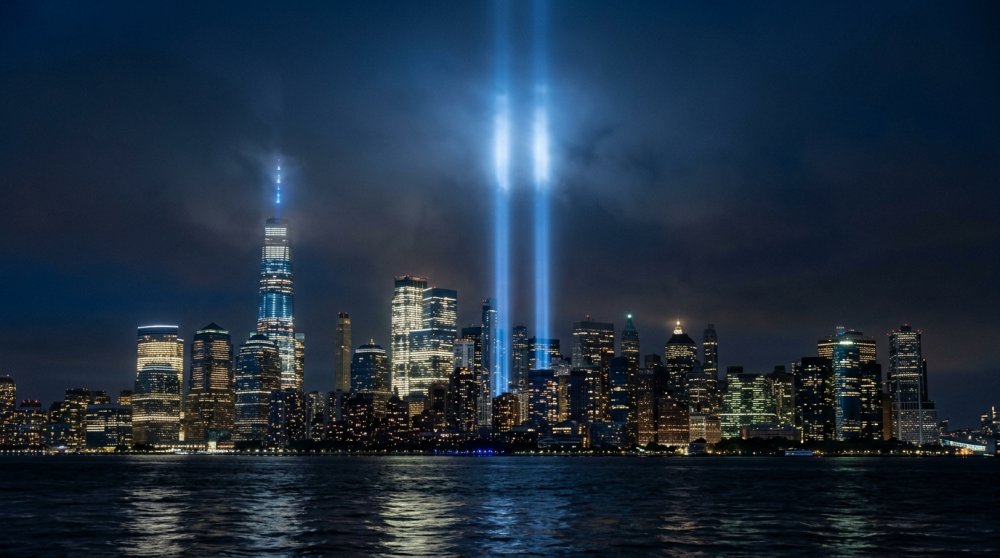
Clear Facts
- A new poll reveals 13% of Democrats believe Americans focus too much on remembering the 9/11 terrorist attacks
- The nation is approaching the 25th anniversary of the deadliest terror attack in U.S. history
- The September 11, 2001 attacks fundamentally transformed American security, foreign policy, and national consciousness
As America prepares to mark a quarter century since the September 11, 2001 terrorist attacks, a troubling new poll has revealed a generational and partisan divide in how the tragedy is remembered. More than one in eight Democrats — at least 13% — say Americans place too much emphasis on commemorating 9/11, raising questions about whether younger generations and progressive voters are losing connection to an event that defined modern American history.
The terrorist attacks on September 11, 2001 claimed nearly 3,000 innocent lives and reshaped every aspect of American life, from airport security to foreign policy. The hijacking of four commercial airliners by Islamic extremists resulted in the destruction of the World Trade Center towers in New York City, catastrophic damage to the Pentagon, and the crash of United Airlines Flight 93 in Pennsylvania after passengers heroically fought back against the terrorists.
The attacks united Americans across political lines in the immediate aftermath, with Congress voting nearly unanimously to authorize military action and citizens rallying around first responders and the families of victims. Memorial services, moments of silence, and educational programs about 9/11 have become annual traditions, ensuring that future generations understand the magnitude of the attack and honor those who lost their lives.
Yet the poll suggests that commitment to remembrance may be fracturing along political lines. While the survey shows the vast majority of Americans across the political spectrum still support commemorating 9/11, the 13% of Democrats who believe too much emphasis is placed on the attacks represents a notable shift in perspective, particularly as the country moves further from the events of that tragic day.
The findings come as many schools have reduced or eliminated dedicated 9/11 education in their curricula, and as an entire generation of Americans has now come of age with no personal memory of the attacks. Critics worry that diminishing the importance of 9/11 remembrance risks forgetting the lessons learned about national security, the ongoing threat of terrorism, and the sacrifice of those who died that day and in the wars that followed.
Supporters of robust 9/11 commemoration argue that remembering the attacks is not about dwelling on the past, but about honoring the nearly 3,000 victims, recognizing the bravery of first responders, and maintaining vigilance against future threats. The attacks fundamentally altered American foreign policy, led to the creation of the Department of Homeland Security, and sparked two decades of military engagement in Afghanistan and Iraq.
As the 25th anniversary approaches, the nation will once again pause to remember where we were on that clear September morning when everything changed. The question raised by this poll is whether that collective memory will continue to bind Americans together, or whether political divisions will extend even to how we honor our darkest day.
Let us know what you think, please share your thoughts in the comments below.
