Politics
Republicans Turn on Each Other Over Spending Bill Transparency

Clear Facts
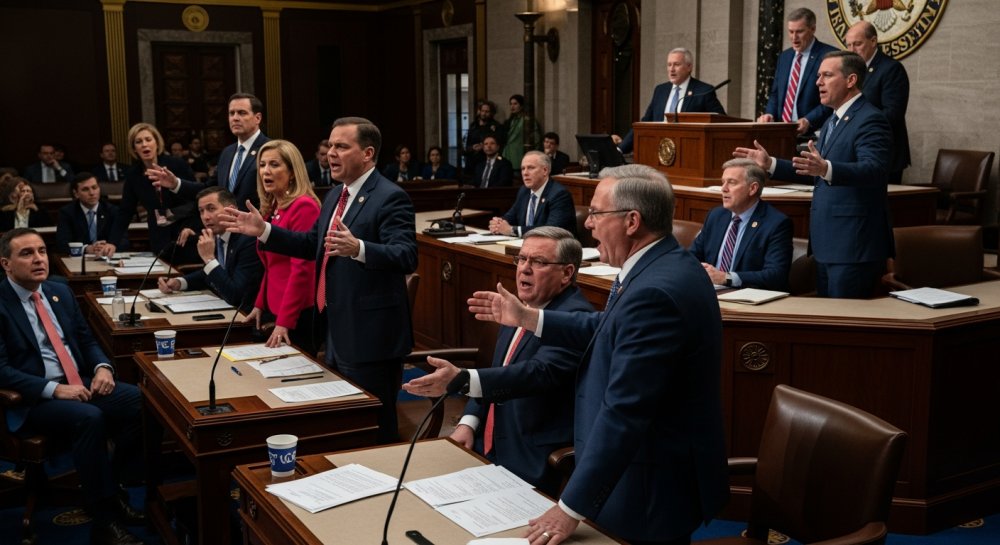
- Republican lawmakers engaged in a heated public dispute over legislative procedures and spending bill transparency
- The conflict exposed internal divisions within the GOP conference over fiscal responsibility and parliamentary tactics
- Conservative members criticized leadership’s handling of major spending legislation and committee processes
A sharp confrontation erupted among Republican lawmakers, revealing deep fissures within the party over spending priorities and legislative transparency. The public dispute underscores growing frustration among fiscal conservatives who believe party leadership has strayed from core principles of limited government and financial accountability.
The clash centered on procedural disagreements regarding how major spending bills are being advanced through Congress. Conservative members raised concerns about insufficient time to review legislation and inadequate opportunities for amendments that would reduce federal expenditures.
Several GOP representatives voiced frustration that large omnibus-style bills continue to be pushed through without proper scrutiny, despite repeated promises to return to regular order and transparent budgeting processes. These lawmakers argue that rushing massive spending packages undermines the constitutional responsibility of Congress to carefully steward taxpayer dollars.
The internal Republican conflict highlights a fundamental tension between establishment figures focused on maintaining legislative momentum and conservative members demanding strict adherence to fiscal discipline. This divide has repeatedly surfaced during critical budget negotiations and appropriations debates.
Critics within the party pointed to specific instances where amendments proposing spending cuts were blocked or given insufficient consideration. They contend that leadership’s approach mirrors the problematic practices they criticized when Democrats controlled the chamber.
The dispute also reflects broader concerns about the pace and scope of government spending, which continues to drive record deficits despite Republican control of the House. Fiscal hawks warn that failure to demonstrate meaningful restraint will erode voter confidence in the party’s commitment to conservative economic principles.
Some members called for procedural reforms that would guarantee more debate time and ensure all legislators can meaningfully participate in shaping fiscal policy. They argue these changes are essential to restoring accountability and preventing backroom deals that circumvent the deliberative process.
The confrontation serves as a reminder that unified party control does not automatically produce unified policy outcomes. Internal debates over tactics and priorities remain intense, particularly when fundamental questions about the size and scope of government are at stake.
As Republicans navigate slim majorities and competing factions, these internal conflicts are likely to persist. The challenge for party leadership will be balancing the need for legislative accomplishment with demands from members who view fiscal restraint as non-negotiable.
Let us know what you think, please share your thoughts in the comments below.
