Politics
Witnesses Expose How Tax Fraud Drives Up Rates for Working Families

Clear Facts
- Congressional witnesses testified that widespread tax fraud forces law-abiding families to pay higher rates to compensate for lost revenue
- Expert testimony revealed a “culture that defers to fraud” has emerged within parts of the tax system, enabling systematic abuse
- Working families bear the financial burden when fraudulent actors exploit loopholes and avoid paying their fair share
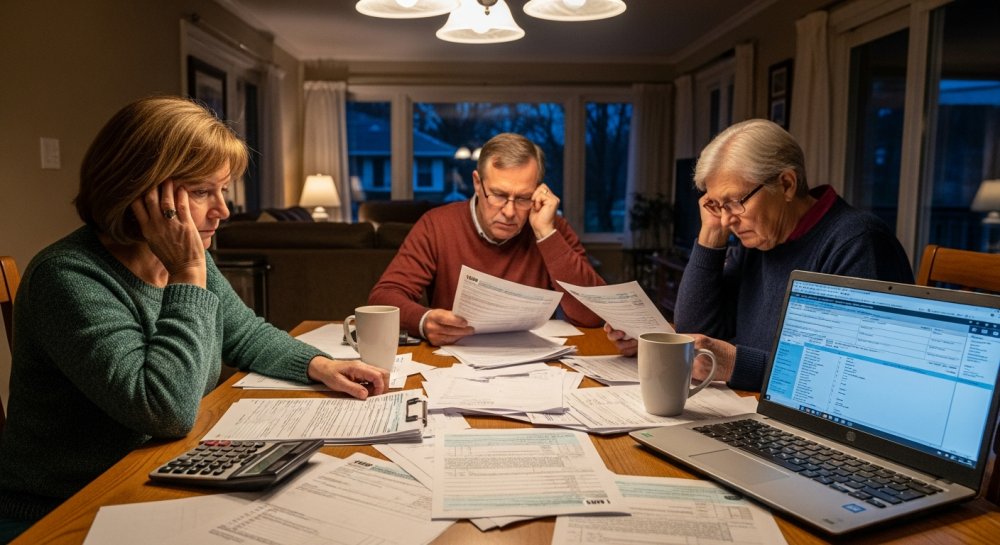
Congressional testimony has exposed a troubling reality: hardworking American families are paying higher taxes because the system has become too tolerant of fraud. Expert witnesses outlined how systematic abuse of the tax code forces honest taxpayers to shoulder an unfair burden.
The hearings revealed what one witness described as “a culture that defers to fraud” — a systemic problem where enforcement gaps and lax oversight allow bad actors to exploit the system. This tolerance for fraudulent behavior doesn’t just cost the government revenue; it directly impacts the tax rates that law-abiding citizens must pay.
“When fraud goes unchecked, honest taxpayers end up footing the bill,” witnesses explained during testimony. The mathematics are simple: when billions in taxes go uncollected due to fraud, the government must make up that revenue elsewhere — typically by maintaining higher rates on those who actually pay their fair share.
The testimony highlighted how working families, who have taxes automatically withheld from their paychecks, have virtually no opportunity to evade their obligations. Meanwhile, sophisticated fraud schemes and lax enforcement in other areas create a two-tiered system where the compliant subsidize the non-compliant.
Witnesses called for stronger enforcement mechanisms and a fundamental cultural shift within tax administration. They argued that tolerating fraud isn’t just a matter of lost revenue — it’s a fairness issue that undermines public trust in the entire tax system.
The hearings underscored a growing concern among conservatives that government inefficiency and poor enforcement hurt the very people who play by the rules. When the IRS fails to crack down on fraud aggressively, it effectively punishes honest, hardworking Americans.
Reform advocates argue that closing enforcement gaps and eliminating the “culture that defers to fraud” could allow for lower overall tax rates while maintaining revenue. The key, they contend, is ensuring everyone pays what they legitimately owe rather than continually raising rates on those already complying.
Let us know what you think, please share your thoughts in the comments below.
