Politics
Bill Maher Reveals What Everyone in Washington Already Knew About Swalwell

Clear Facts
- Bill Maher called former Rep. Eric Swalwell a “f*cking creep” on his HBO show, stating he “never liked him” during previous appearances
- Swalwell suspended his California gubernatorial campaign and resigned from Congress after multiple sexual misconduct allegations surfaced publicly
- Political insiders and media figures are now acknowledging that concerns about Swalwell’s behavior were an “open secret” for years before becoming public
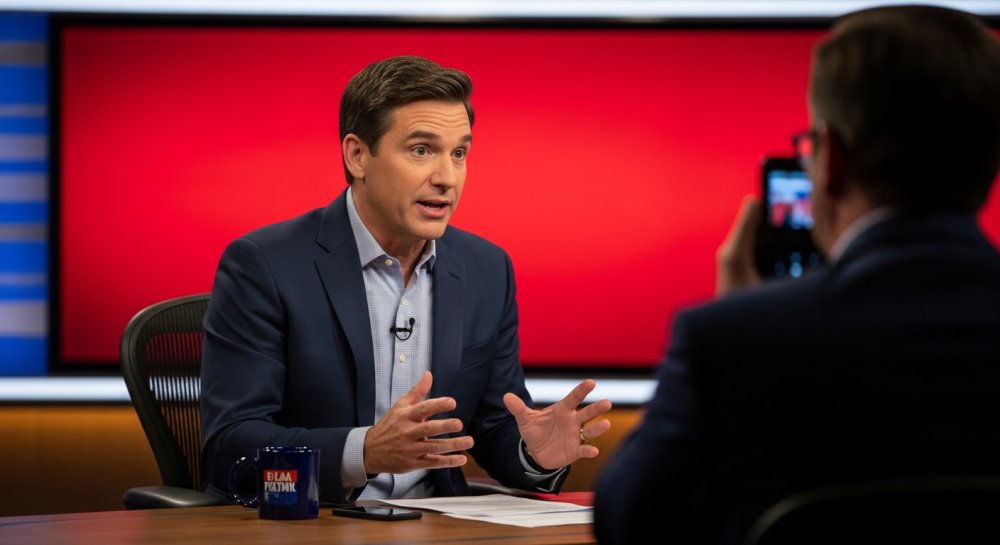
Comedian and HBO host Bill Maher joined the growing chorus questioning why serious allegations against former Rep. Eric Swalwell (D-CA) remained hidden from the American public for so long. In a candid moment on his show, Maher revealed what he described as his own long-held concerns about the California Democrat.
“Speaking of creepy stuff, have you been following the Eric Swalwell case here in California?” Maher asked his audience.
“I got to say, we had him on a couple of times. Ask my staff. I never liked him. I don’t have good gaydar, but I got creepdar. I always thought this guy was a f*cking creep.”
Swalwell, once a fixture on cable news during the Trump years and a Democratic Party rising star, saw his political career implode within days earlier this month. Multiple sexual misconduct allegations surfaced publicly, including claims of rape and sexual assault. He has since suspended his gubernatorial campaign, resigned from Congress, and admitted to “mistakes” while denying the most serious accusations.
The rapid collapse has intensified questions about what political insiders and media figures knew — and when they knew it. Maher’s comments suggest the answer is: quite a lot, for quite a long time.
The HBO host didn’t stop with Swalwell. He pointed to a disturbing pattern in American politics and media where powerful figures’ misconduct remains an “open secret” among elites while the public stays in the dark.
“I hear this so many times,” Maher said, citing Bill Clinton, Bill Cosby, and Harvey Weinstein as examples.
“You know, it was an open secret in Arkansas. It was an open secret,” he said of Clinton-era allegations.
“What is going on here, where it takes so long for the open secret to become public? I seem to remember that back in the old days … when JFK was President, we heard, well, the media used to protect politicians, and they knew what JFK was doing, but it was just something they didn’t report on. Is it any different now? Apparently not.”
The comparison to JFK underscores a troubling reality: despite dramatic changes in media technology and the rise of social platforms, selective gatekeeping by establishment media still determines what the American people learn about their elected officials. The institutions that claim to hold power accountable are often the same ones keeping secrets on behalf of the powerful.
Evidence continues to emerge that concerns about Swalwell were widespread inside Democratic and media circles. Former Democratic strategist Michael Trujillo warned in a now-deleted social media post that Swalwell’s past behavior would surface during his gubernatorial run, referencing allegations involving interns and inappropriate conduct. Trujillo later said he removed the post after receiving a cease-and-desist letter from Swalwell’s campaign — a telling detail about how allegations were actively suppressed.
Politico reported that Swalwell had “developed a reputation for unsavory and sometimes unwanted behavior toward women,” citing longstanding “whisper networks” among political insiders. These whispers, however, rarely made it into actual reporting that voters could read.
The pattern is clear and disturbing: reputational information about misconduct circulates freely among political and media elites in Washington and state capitals, but remains carefully hidden from ordinary Americans who deserve to know the truth about those seeking to represent them. This isn’t journalism failing by accident — it’s a deliberate choice about who gets protected and who gets exposed.
As Swalwell’s career collapses in real time, one question looms larger than ever: if everyone in Washington and California knew about these allegations, why did the media wait until his political usefulness ended before telling the American people? The answer may reveal more about the state of American journalism than any individual politician’s misconduct.
Let us know what you think, please share your thoughts in the comments below.
