Finance
Virginia’s Minimum Wage Hike Could Cost 12,000 Jobs, Economist Warns

Clear Facts
- Virginia Governor Abigail Spanberger signed legislation incrementally raising minimum wage to $15 per hour by 2028, starting at $13.75 in 2027
- The Employment Policies Institute projects approximately 12,000 jobs could be eliminated due to increased labor costs
- Businesses in service and retail industries will face difficult decisions about staffing levels, hours, and pricing to accommodate mandated wage increases
A leading economist is sounding the alarm that Virginia’s newly mandated minimum wage increase will backfire on workers, potentially eliminating thousands of jobs while failing to deliver the affordability relief promised by Democratic Governor Abigail Spanberger.
Rebekah Paxton, research director of the Employment Policies Institute, warned that the wage mandate will force businesses into impossible choices. “I think something that we’ve seen in coverage of this bill and how this law in Virginia was that this is something that needed to be done to improve affordability for Virginians,” Paxton told Fox News Digital on Wednesday.
The reality facing Virginia employers is far more complicated than progressive lawmakers suggest. Paxton explained that businesses will be forced “to find room in their operating costs to make those numbers work.”
“They have to decide, because the cost of labor has now gone up over just a few years — Do I have to reduce the number of positions? Do I need to shorten the number of hours I’m giving the people I have on staff? Do I have to raise prices to try to accommodate the difference in labor costs? Because just because the minimum wage is going up doesn’t mean their sales are increasing by default,” she said.
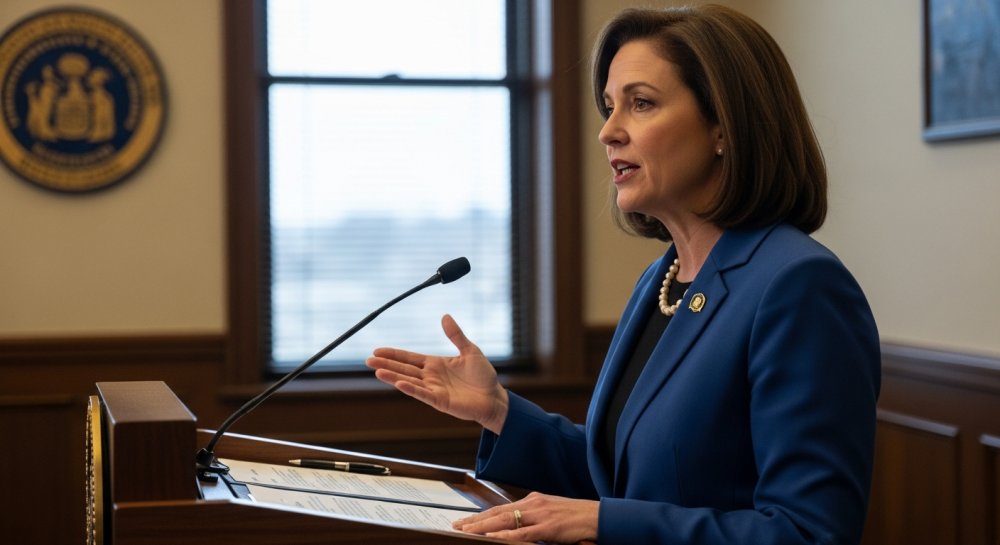
Governor Spanberger, who campaigned heavily on affordability issues, signed the legislation in April that will incrementally increase the state minimum wage to $15 per hour. In her announcement, Spanberger framed the mandate as “a win for the businesses that call Virginia home.”
“Today, we are putting more money in the pockets of Virginia workers,” Spanberger said.
“If you work full-time in Virginia, you should be able to afford to live in Virginia. You should be able to keep up with your rent or mortgage, fill your medications, and save for your kids’ futures.”
Spanberger’s office did not respond to requests for comment on the economist’s warnings.
The governor joins a growing list of Democratic leaders nationwide implementing or considering similar wage mandates amid ongoing affordability concerns. Some municipalities have seen advocates push for minimum wages as high as $30 per hour, despite mounting evidence of negative economic consequences.
The Employment Policies Institute released a comprehensive study in 2022 projecting that approximately 12,000 jobs would be lost if Virginia pursued a $15 minimum wage. Now that the mandate has become reality, Paxton warns those predictions are coming to pass.
Under the Democratic plan, hourly workers will see their minimum wage jump from the current $12.77 to $13.75 next year, then to $15 in 2028. The think tank estimates these increases will significantly raise operating costs for service-industry businesses.
Paxton noted that the economic consequences cut across political boundaries. “We’re also looking at sort of how red states deal with minimum wage hikes versus Blue states. And we find kind of across the board, it doesn’t matter,” Paxton said.
“Essentially, when the minimum wage goes up, alongside a lot of other costs that are going up for businesses, restaurants in particular, retail that have the most minimum wage workers, they have to make tough choices,” she added.
The situation mirrors challenges faced in California, where a $20 minimum wage for fast food workers led to widespread automation, reduced hours, and job losses—outcomes progressive advocates had dismissed as conservative fearmongering.
Virginia businesses, particularly in the restaurant and retail sectors that employ the majority of minimum wage workers, now face a difficult calculation: reduce staff, cut hours, raise prices, or risk operating at a loss. For many small businesses already struggling with post-pandemic recovery and inflation, these choices could prove fatal.
The timing of Virginia’s wage mandate adds additional pressure, coming as businesses continue grappling with elevated costs for supplies, utilities, and other operational expenses. The compounding effect may accelerate business closures and job losses beyond the projected 12,000 figure.
Let us know what you think, please share your thoughts in the comments below.
