Politics
Louisiana Lawsuit Investigation Reveals Troubling Advocacy Over Facts

Clear Facts
- Louisiana’s coastal lawsuits against energy companies have faced criticism for blurring the line between investigation and advocacy
- Critics argue the legal actions prioritize political outcomes over genuine environmental assessment
- The state’s approach to holding energy companies accountable has raised questions about due process and fairness
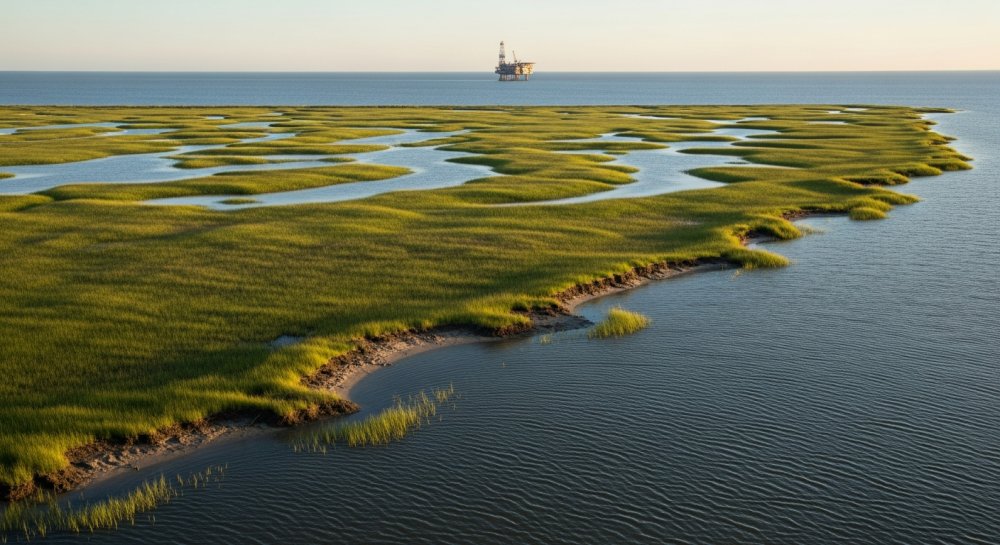
Louisiana’s coastal erosion lawsuits against energy companies have sparked a heated debate about whether legal investigations are serving justice or political agendas. The controversy centers on allegations that what began as legitimate environmental concerns has transformed into activist-driven litigation.
State officials have pursued aggressive legal action against oil and gas companies, claiming their operations contributed to coastal land loss. However, critics within Louisiana’s business community and legal circles argue these lawsuits reflect predetermined conclusions rather than impartial fact-finding.
The energy industry maintains that coastal erosion stems from multiple natural and man-made factors, including hurricanes, sediment disruption from levee systems, and natural subsidence. They contend the lawsuits unfairly single out one industry while ignoring broader contributing factors.
Legal experts have raised concerns about the process itself. When investigations appear designed to reach specific conclusions rather than follow evidence objectively, they undermine public trust in the legal system. This approach threatens Louisiana’s economic foundation, as energy companies remain major employers and tax contributors.
The state’s coastal protection needs are real and urgent. Louisiana loses approximately a football field of land every 100 minutes to erosion. However, effective solutions require honest assessment of all contributing factors, not litigation targeting politically convenient defendants.
Some observers note the irony of state government suing the very industry that funds much of Louisiana’s public services and infrastructure. Energy companies contribute billions in taxes and royalties that support schools, roads, and coastal restoration projects.
The lawsuit strategy also raises questions about consistency. If energy operations truly caused actionable damage decades ago, why did state officials approve and encourage those same activities while collecting substantial revenue? This selective accountability undermines the credibility of current legal actions.
Moving forward, Louisiana faces a choice between constructive partnership with energy companies on genuine restoration efforts or continued adversarial litigation that may yield short-term settlements while damaging long-term economic prospects. The state’s coastal future depends on solutions rooted in science and cooperation, not courtroom advocacy masquerading as investigation.
Let us know what you think, please share your thoughts in the comments below.
