Science & Tech
Tesla Robotaxis Hit Texas Roads in Major Autonomous Vehicle Expansion

Clear Facts
- Tesla launched driverless robotaxi service in Dallas and Houston on Saturday, expanding beyond its initial Austin deployment
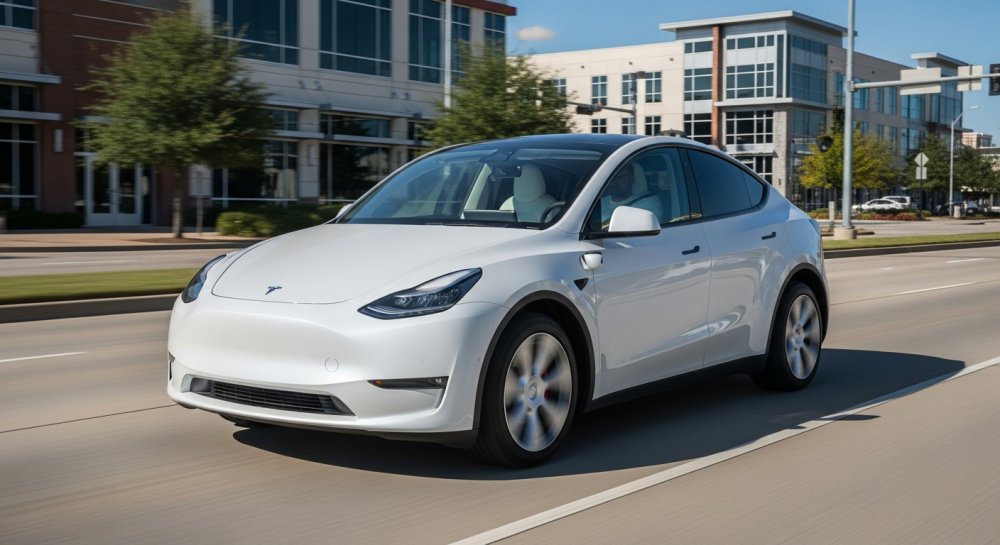
- The robotaxis use Tesla’s best-selling Model Y SUVs operating with no human driver or safety monitor in the front seats
- The expansion represents a critical component of CEO Elon Musk’s strategy to shift Tesla’s focus toward artificial intelligence and robotics, with much of the company’s $1.3 trillion valuation dependent on this technology
Tesla announced a significant expansion of its autonomous vehicle service on Saturday, launching driverless robotaxis in Dallas and Houston. The move marks another major step forward for the electric vehicle manufacturer’s self-driving technology.
The company’s official robotaxi account on X shared the news along with two videos demonstrating Model Y SUVs navigating city streets without any human operator in the vehicle. The footage shows the vehicles operating completely autonomously, a technological achievement that represents years of development in artificial intelligence and automotive engineering.
Tesla released map images outlining the service boundaries for both cities but has not yet disclosed additional operational details including fleet size or pricing structures for the service.
“Try Tesla Robotaxi in Dallas & Houston!”
CEO Elon Musk shared his enthusiasm for the launch, reposting the announcement on his social media platform.
The expansion comes at a pivotal time for the autonomous vehicle industry. Competitors including Alphabet’s Waymo and Amazon’s Zoox have been accelerating their own robotaxi deployments across American cities, creating an increasingly competitive marketplace for self-driving transportation services.
For Tesla, the robotaxi program represents far more than a new revenue stream—it’s central to the company’s entire growth strategy. Musk has deliberately pivoted the company’s focus from traditional electric vehicle manufacturing toward artificial intelligence and robotics, betting the company’s future on autonomous technology.
That strategic shift carries enormous financial implications. Much of Tesla’s staggering $1.3 trillion market valuation is predicated on the successful deployment and adoption of its full self-driving software, which serves as the technological foundation for the robotaxi service.
Tesla’s robotaxi journey began with a cautious approach in Austin, where the company initially deployed a small fleet with human safety monitors present and operational restrictions in place. Since that initial launch, the company has systematically expanded the service area and progressively removed the human monitors as the technology demonstrated reliability.
The company also initiated ride-hailing operations in the San Francisco Bay Area last year, testing the technology in one of America’s most challenging driving environments.
While Musk has consistently promised rapid expansion of the robotaxi service throughout the United States, the rollout has proceeded more gradually than some early predictions suggested. The CEO had previously indicated that robotaxis would be operating widely across multiple U.S. metropolitan areas by the end of 2025, a timeline that has not fully materialized as the company takes a measured approach to ensuring safety and reliability.
Let us know what you think, please share your thoughts in the comments below.
