Crime
Teen Arrested in International Ransomware Crackdown

Clear Facts
- International authorities took down KillSec ransomware group servers and seized 110 terabytes of stolen data on September 30
- Investigators identified a 16-year-old as the suspected main operator behind approximately 500 successful attacks worldwide
- Three suspects were arrested following coordinated raids in Greece, Romania, Spain and the United Kingdom
A 16-year-old stands accused of running an international ransomware operation that targeted organizations across multiple continents. Law enforcement officials say the teenager served as the primary operator of KillSec, a cybercrime group linked to roughly 1,000 attacks since 2024.
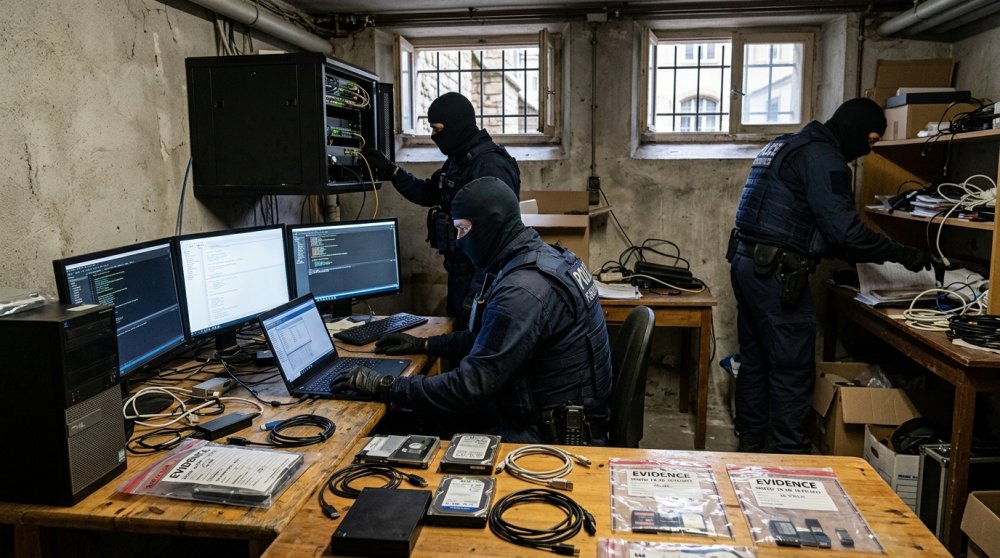
The operation, dubbed Operation KillSwitch, involved authorities from the United States and several European nations working together to dismantle the group’s infrastructure. Europol and Eurojust coordinated the effort that resulted in eight searches across four countries and the seizure of five central servers.
“The group exploited software vulnerabilities and poorly secured access points to break into organizations.”
Once inside target systems, the attackers copied sensitive files and used the threat of public exposure to pressure victims into paying ransoms. Europol reports the group received substantial payments from some attacks and made stolen data available when victims refused to comply.
Investigators also discovered that KillSec members used artificial intelligence to help build ransomware infrastructure and identify potential victims. This development highlights how modern technology is lowering barriers for cybercriminals of all ages.
“A teenager may no longer need to build every piece of an attack from scratch.”
The investigation remains ongoing as authorities examine seized computers, servers, and cryptocurrency transactions. Europol warns that the total number of successful attacks may increase as investigators continue reviewing the evidence.
This case demonstrates that basic cybersecurity practices remain essential regardless of the sophistication of attack methods. Regular software updates, strong unique passwords, two-factor authentication, and offline backups continue to serve as effective defenses against ransomware threats.
Let us know what you think, please share your thoughts in the comments below.
