U.S. News
The Japanese-American Hero Who Saved His Platoon on Independence Day

Clear Facts
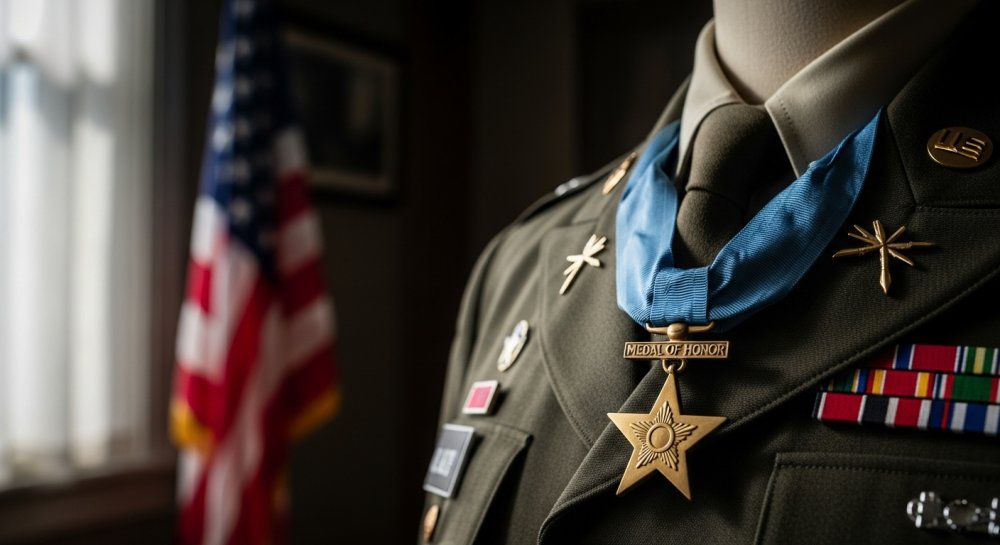
- Army Pfc. William Kenzo Nakamura received the Medal of Honor for heroic actions in Italy on July 4, 1944
- Nakamura risked his life to save his entire platoon during intense World War II combat
- Born in Seattle in 1922, Nakamura served his country despite widespread discrimination against Japanese-Americans during the war
On Independence Day 1944, while most Americans celebrated freedom at home, Army Pfc. William Kenzo Nakamura was fighting for that very freedom on the battlefields of Italy. His extraordinary courage that day would earn him the nation’s highest military honor — the Medal of Honor.
Nakamura was born in Seattle on January 21, 1922, and grew up with a brother and a sister. His parents worked as barbers, building a modest life for their family in the Pacific Northwest.
When World War II erupted, Japanese-Americans faced intense scrutiny and discrimination, with many families forced into internment camps. Despite this treatment, thousands of young Japanese-American men volunteered to serve their country. Nakamura was among them, demonstrating the highest form of patriotism — putting country before personal grievance.
During combat operations in Italy on July 4, 1944, Nakamura’s platoon came under heavy enemy fire. Facing overwhelming odds, the young private made the split-second decision to risk his own life to protect his brothers-in-arms.
His actions that day went beyond the call of duty, displaying the kind of selfless valor that defines American military tradition. Nakamura understood what it meant to be a soldier — that the mission and your fellow servicemembers come first, regardless of the personal cost.
The Medal of Honor citation recognizes Nakamura’s extraordinary heroism under fire, actions that saved his entire platoon from destruction. His courage exemplifies the best of American values: duty, honor, and sacrifice.
Nakamura’s story is particularly powerful given the context of his service. At a time when his community faced persecution at home, he chose to fight for American principles abroad. His loyalty and bravery stand as a rebuke to those who doubted the patriotism of Japanese-Americans.
The legacy of soldiers like William Kenzo Nakamura reminds us that American heroism knows no ethnic boundary. What matters is not where your ancestors came from, but your commitment to American values and your willingness to defend them.
His service alongside other Japanese-American soldiers in units like the legendary 442nd Regimental Combat Team — the most decorated unit in U.S. military history for its size and length of service — proved that American identity is defined by allegiance to shared principles, not by ancestry.
Private First Class Nakamura’s sacrifice on that July 4th added profound meaning to Independence Day. While families gathered for picnics and fireworks, he was securing the freedom they celebrated, paying the ultimate price for American liberty.
Today, as we honor Medal of Honor recipients, Nakamura’s story serves as a powerful reminder of the true cost of freedom. It wasn’t won by politicians or activists, but by warriors willing to face death for their fellow Americans.
His example challenges modern Americans to consider what they would sacrifice for their country. In an era of increasing division and declining military service rates, stories like Nakamura’s call us back to fundamental questions about duty, service, and national loyalty.
The Medal of Honor represents more than individual bravery — it represents the American ideal that some things are worth dying for. William Kenzo Nakamura embodied that ideal completely.
Let us know what you think, please share your thoughts in the comments below.
