U.S. News
The Soldier Who Waited 73 Years for His Medal of Honor

Clear Facts
- Army Corporal Freddie Stowers demonstrated extraordinary heroism during World War I in France, September 1918
- Stowers was posthumously awarded the Medal of Honor more than 70 years after his heroic sacrifice
- Born January 12, 1896, Stowers was one of 12 children in a farming family from South Carolina
Army Corporal Freddie Stowers exemplified the highest traditions of American military service during World War I, yet his nation took more than seven decades to properly honor his sacrifice. His story stands as both a testament to individual courage and a reminder of past injustices that were eventually made right.
Stowers was born on January 12, 1896, in Sandy Springs, South Carolina. He grew up as one of 12 children born to Wylie and Annie Stowers, working alongside his family on their farm in the rural South.
When America entered World War I, Stowers answered the call to serve his country. He enlisted in the U.S. Army and became an infantryman, ultimately serving with distinction on the battlefields of France.
In September 1918, during the waning months of the Great War, Corporal Stowers led his squad in an assault on German positions. Despite fierce enemy resistance and sustaining mortal wounds, Stowers continued to lead his men forward, refusing to abandon his duty even as his life slipped away.
His actions that day saved American lives and helped secure a crucial objective. Yet for reasons that speak to the segregation and discrimination of that era, Stowers’ heroism went unrecognized by the nation he had served so selflessly.
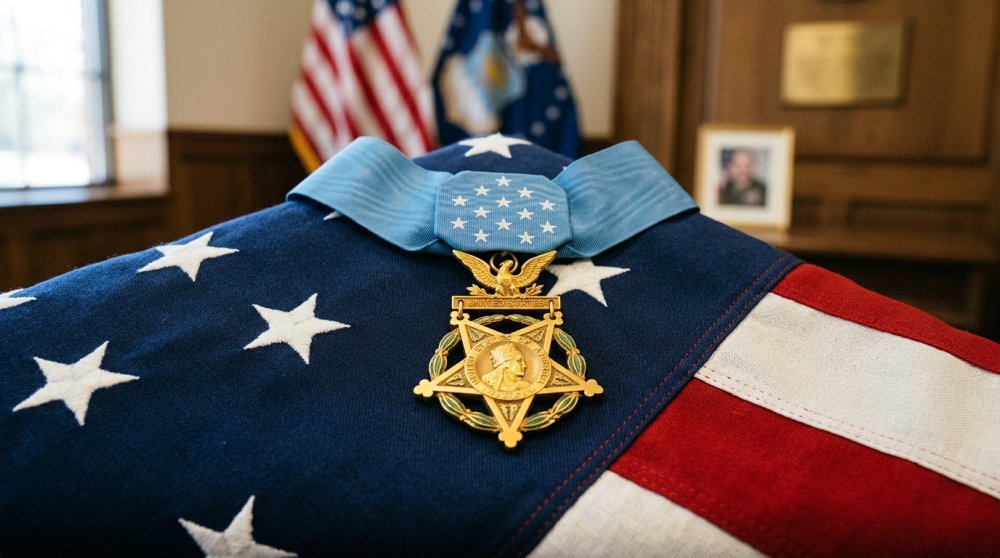
It wasn’t until 1991—73 years after his death—that the United States finally awarded Corporal Freddie Stowers the Medal of Honor he had earned on the battlefield. The delay represents one of the most egregious oversights in American military history.
The recognition came as part of a comprehensive review of military records that revealed African American soldiers from both World Wars had been systematically denied the nation’s highest military decoration, despite meeting all criteria for the award.
Stowers’ Medal of Honor was presented to his surviving family members in a ceremony that acknowledged both his extraordinary courage and the nation’s failure to recognize it in a timely manner. His story has since become an important part of military history, taught to new generations of soldiers as an example of both battlefield heroism and the importance of ensuring all service members receive equal recognition.
Today, Corporal Freddie Stowers is remembered not only for his sacrifice but also for what his belated recognition represents: America’s ongoing effort to confront its past failures and honor all those who have served with distinction, regardless of race or background.
Let us know what you think, please share your thoughts in the comments below.
