Politics
Justice Department Takes Legal Action Against New Jersey Over Taxpayer-Funded Benefits

Clear Facts
- The Department of Justice has filed a federal lawsuit against New Jersey challenging state laws that extend in-state tuition rates to illegal immigrants
- The legal action targets legislative measures providing financial assistance to individuals residing in the country unlawfully
- The lawsuit represents a federal enforcement action against state policies that extend taxpayer-funded benefits beyond legal residents
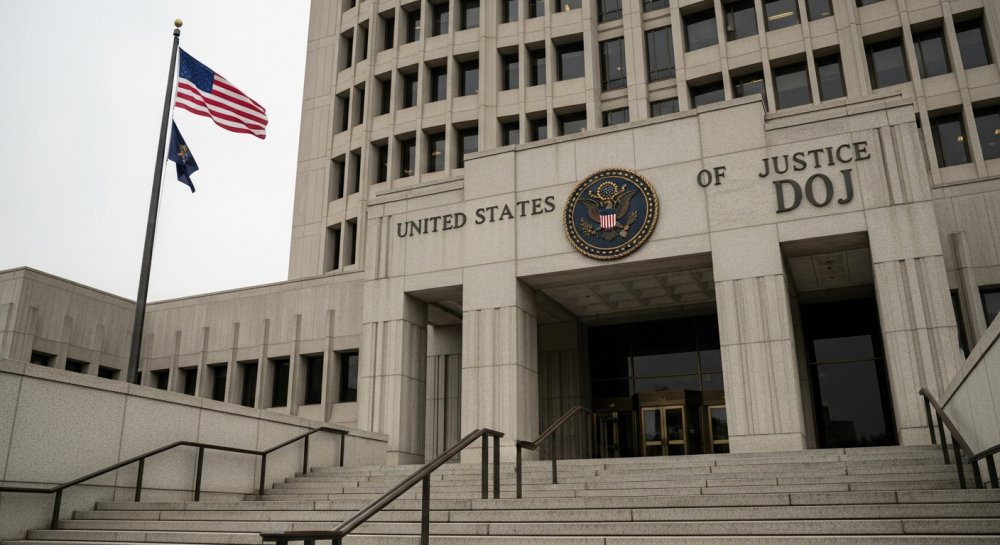
The United States Department of Justice has initiated legal proceedings against the state of New Jersey, challenging state legislation that extends in-state tuition rates and financial aid to illegal immigrants. The federal lawsuit marks a significant clash between state and federal authority over immigration-related benefits.
New Jersey’s current policy allows individuals without legal immigration status to qualify for the same reduced tuition rates available to legal state residents at public colleges and universities. The state also provides access to financial assistance programs funded by taxpayer dollars.
The DOJ’s legal challenge argues that such state policies conflict with federal immigration law and create incentives that undermine national immigration enforcement. Federal authorities contend that states cannot establish policies that effectively reward illegal presence in the United States with taxpayer-funded benefits.
New Jersey joins several other states that have adopted similar measures in recent years, creating a patchwork of state-level policies that differ from federal immigration statutes. Supporters of these state programs argue they provide educational opportunities to young people who grew up in America, while critics maintain they unfairly burden legal residents with the costs.
The lawsuit seeks to block enforcement of New Jersey’s in-state tuition and financial aid provisions for illegal immigrants. If successful, the federal action could establish legal precedent affecting similar policies in other states across the nation.
Legal observers note that the case raises fundamental questions about the balance between state authority over education funding and federal supremacy in immigration matters. The outcome could have far-reaching implications for how states structure their public university systems and who qualifies for taxpayer-subsidized education benefits.
At stake are millions of dollars in state education funding and the principle of whether states can extend benefits traditionally reserved for legal residents to those residing in the country without authorization. The case is expected to proceed through federal court in the coming months.
Let us know what you think, please share your thoughts in the comments below.
