World News
U.S. Designates Brazilian Gangs as Terror Organizations

Clear Facts
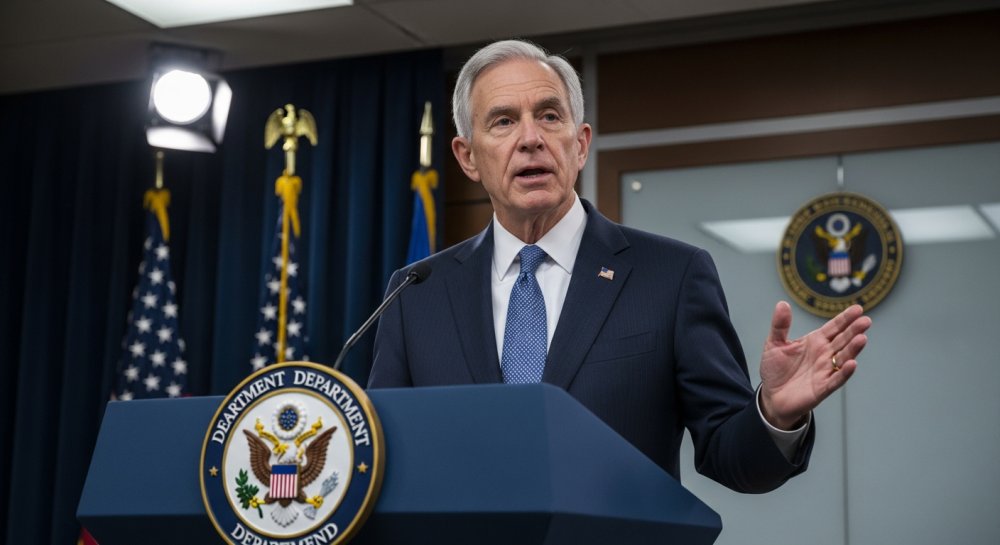
- Secretary of State Marco Rubio announced the designation of Brazil’s two largest criminal gangs as Foreign Terrorist Organizations
- The FTO designation enables more aggressive U.S. intervention capabilities against these criminal networks
- The decision follows appeals from Brazil’s political opposition
Secretary of State Marco Rubio has taken decisive action against transnational crime, designating Brazil’s two largest criminal gangs as Foreign Terrorist Organizations. The formal FTO classification represents a significant escalation in U.S. efforts to combat organized crime networks operating across Latin America.
The designation targets criminal organizations that have grown into powerful paramilitary forces within Brazil, threatening regional stability and U.S. national security interests. By classifying these gangs as terrorist entities, the United States gains expanded legal authority to disrupt their operations, freeze assets, and coordinate with international partners.
— Flávio Bolsonaro (@FlavioBolsonaro) May 26, 2026
This move comes in response to requests from Brazil’s political opposition, who have warned about the growing influence and violence perpetrated by these criminal networks. The gangs control vast territories within Brazilian cities, engaging in drug trafficking, extortion, and violent turf wars that have claimed thousands of lives.
The FTO designation carries serious legal consequences, making it a federal crime for U.S. persons to provide material support to these organizations. Financial institutions must block assets connected to the designated groups, and members face immigration restrictions preventing entry into the United States.
Conservative foreign policy experts have long advocated for treating powerful transnational gangs as the terrorist threats they represent. These criminal enterprises destabilize democratic governments, fuel illegal immigration, and contribute to the drug crisis devastating American communities.
The Rubio State Department’s willingness to use this designation demonstrates a commitment to confronting threats at their source rather than waiting for consequences to reach American soil. This proactive approach marks a shift from previous administrations’ reluctance to formally classify criminal organizations as terrorists.
Brazil’s criminal gangs have evolved far beyond traditional organized crime, operating with military-grade weapons and sophisticated networks that span multiple countries. Their activities directly impact U.S. interests through drug smuggling routes, money laundering operations, and connections to other criminal and terrorist networks.
The designation sends a clear message that the United States will not tolerate criminal organizations that threaten hemispheric security and democratic governance. It provides law enforcement and intelligence agencies with enhanced tools to dismantle these networks and support allied governments fighting to restore order.
Let us know what you think, please share your thoughts in the comments below.
