Politics
Law Schools Deploy Students as Immigration Activists in Federal Court Battles

Clear Facts
- Major law schools are operating immigration clinics that actively represent illegal immigrants in federal deportation proceedings
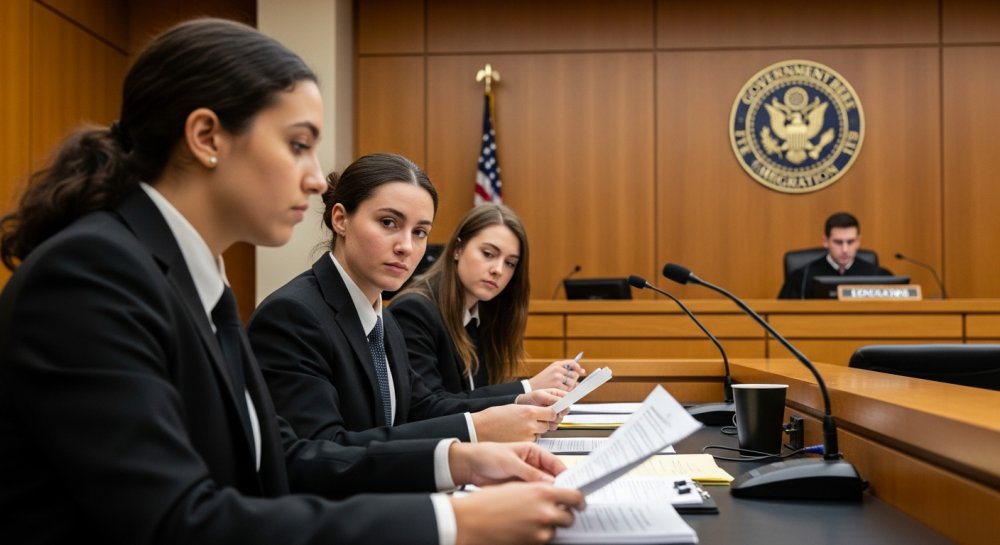
- Student attorneys are deployed to challenge deportations, including cases involving individuals with potential national security concerns
- These programs blend legal education with political activism, training future lawyers to oppose enforcement of immigration law
America’s elite law schools have transformed immigration law education into a sophisticated pipeline for activist attorneys dedicated to blocking deportations and challenging federal immigration enforcement.
Law school immigration clinics across the country now serve dual purposes: training students in legal procedure while simultaneously functioning as opposition forces against ICE operations and deportation orders. These programs represent illegal immigrants in federal court, often at taxpayer-subsidized institutions.
The clinics operate with a clear ideological mission. Students don’t simply learn immigration law—they’re trained to obstruct its enforcement.
Faculty supervisors guide student attorneys through complex federal proceedings designed to delay or prevent removals. The practical effect extends beyond individual cases, creating systemic resistance to immigration enforcement through the legal system.
Some clinics have represented individuals with concerning backgrounds. Cases have included defending those with alleged connections to terrorist organizations, framing such representation as civil rights work rather than potential national security risks.
The programs receive funding through various channels, including university budgets supported by federal research grants and state appropriations. Taxpayers indirectly subsidize legal opposition to their own government’s immigration enforcement.
Participating students earn academic credit while building professional networks in immigration advocacy. Many graduates transition directly into nonprofit legal organizations dedicated to preventing deportations, creating an institutional conveyor belt of opposition to immigration enforcement.
Law school administrators defend these clinics as essential practical training. Critics argue they prioritize political activism over balanced legal education, producing attorneys committed to undermining border security and immigration law rather than understanding its legitimate purposes.
The clinics operate within legal bounds, providing zealous advocacy that’s technically permissible under attorney ethics rules. However, the one-sided nature of the training raises questions about whether law schools are educating attorneys or indoctrinating activists.
Traditional legal education emphasized understanding all sides of law and serving various client interests. Modern immigration clinics make no pretense of neutrality, openly training students to oppose one side of the immigration debate exclusively.
This ideological uniformity extends beyond immigration clinics to general law school culture, where conservative perspectives on border security and national sovereignty receive little hearing. Students graduate without exposure to legitimate arguments for immigration enforcement.
The long-term impact affects the legal profession’s composition. As clinic-trained attorneys populate immigration law firms, government agencies, and eventually the judiciary, their activist orientation shapes how immigration law functions in practice.
Some legal scholars warn this approach undermines the rule of law itself. When legal education becomes synonymous with resistance to duly enacted legislation, the profession’s role as neutral arbiter erodes.
Alternative models exist. A balanced immigration law curriculum would include enforcement perspectives, border security considerations, and national sovereignty principles alongside humanitarian concerns. Few law schools offer such comprehensive approaches.
The transformation reflects broader changes in legal education, where social justice missions increasingly override traditional professional formation. Immigration clinics exemplify this shift, producing advocates rather than counselors.
As immigration remains a defining national issue, the next generation of attorneys handling these cases arrives pre-committed to one side. Their training emphasizes obstruction over understanding, activism over balanced representation.
Let us know what you think, please share your thoughts in the comments below.
