Politics
Senate Budget Resolution Stalls as Thune Acknowledges Vote Shortage

Clear Facts
- Senate Majority Leader John Thune stated Republicans do not currently have enough votes to pass their budget resolution
- Thune is rejecting proposals to cancel the August congressional recess to continue budget negotiations
- The budget resolution represents a key legislative priority for advancing conservative fiscal policy
Senate Majority Leader John Thune delivered a sobering assessment of Republican budget efforts, acknowledging that his caucus lacks the necessary votes to advance their fiscal blueprint through the chamber. The admission comes as conservative lawmakers push for immediate action on budget priorities.
Thune is dismissing calls from some Republicans to scrap the traditional August recess in order to continue working on the budget resolution. The South Dakota Republican’s stance signals that leadership believes additional time for negotiations and consensus-building will be necessary before bringing the measure to the floor.
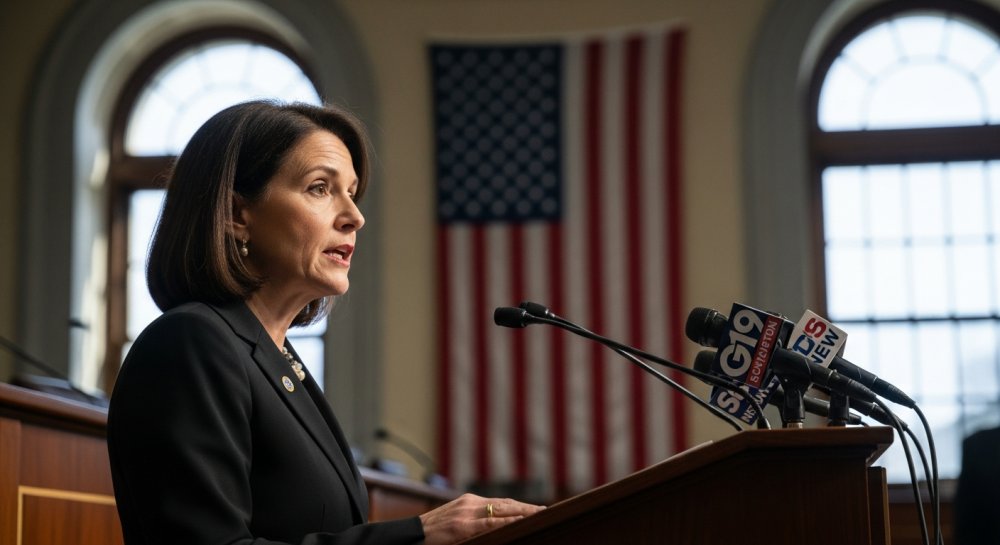
LIVE: Senate GOP Speaks to the Press 07-29-26 https://t.co/tMHxIzCaHv
— Senate Republicans (@SenateGOP) July 29, 2026
The budget resolution serves as a critical legislative framework that would enable Republicans to advance their fiscal agenda, including potential tax reforms and spending reductions. Without sufficient support within the GOP caucus, leadership faces the challenge of uniting various factions around a common fiscal vision.
The vote shortage reflects ongoing tensions within the Republican conference over spending levels, deficit reduction strategies, and policy priorities. Conservative hardliners and more moderate members continue to negotiate over the details of the party’s fiscal approach.
Thune’s realistic assessment of the vote count demonstrates a preference for ensuring passage when the resolution eventually comes to the floor rather than forcing a premature vote that could fail. The delay allows additional time for members to work through their differences on budgetary matters.
The August recess traditionally provides senators time to return to their home states and meet with constituents. Thune’s decision to maintain the recess schedule suggests confidence that progress can be made when the Senate returns in September.
Let us know what you think, please share your thoughts in the comments below.

Karen
July 30, 2026 at 1:14 pm
Thune is Rino, he’s corrupt! How does one person have more control than the President?