Crime
Supreme Court to Examine Reconstruction-Era Ban on Home Distilling

Clear Facts
- The Supreme Court has agreed to hear a case challenging a federal prohibition on distilling spirits in private homes that dates back to the Reconstruction era.
- The law in question was enacted in 1868 and has been used to restrict individuals from producing distilled spirits for personal use.
- The case centers on whether Congress overstepped its constitutional authority regarding taxation when it imposed the ban.
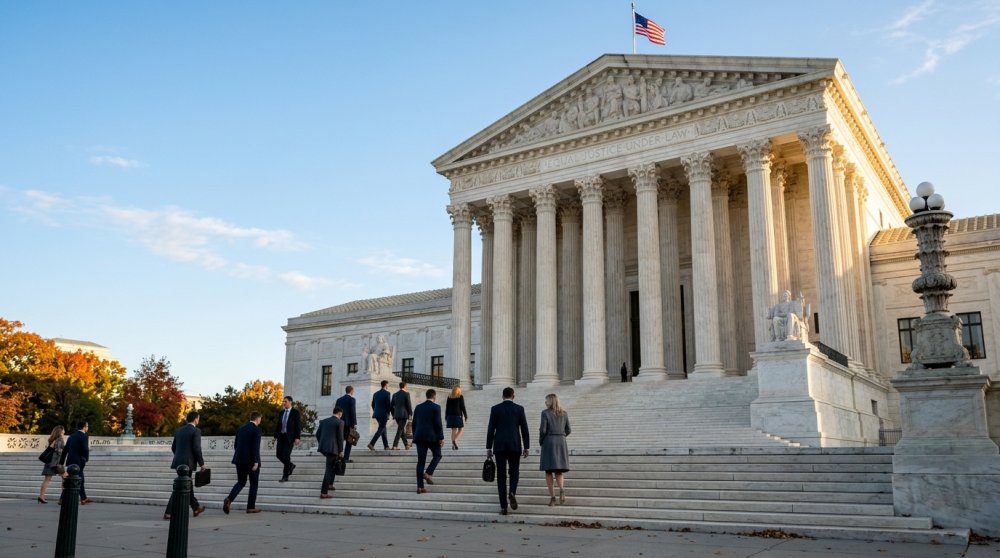
The Supreme Court announced it will review a 150-year-old federal statute that prohibits the distillation of spirits in private homes.
This case raises important questions about the scope of congressional power under the Constitution.
“The Court will examine whether this Reconstruction-era law remains consistent with the original understanding of Congress’s taxing authority,” said one of the attorneys involved in the case.
The prohibition stems from legislation passed in 1868, a period marked by efforts to expand federal revenue collection following the Civil War.
Critics of the law argue that the ban represents an overreach of federal authority into areas traditionally left to state and individual control.
“This statute has long restricted Americans from exercising a basic liberty in their own homes,” noted the legal team challenging the provision.
The outcome could have significant implications for how similar historical laws are viewed under modern constitutional standards.
Let us know what you think, please share your thoughts in the comments below.
