Politics
Thune Signals Major Debt Ceiling Battle Ahead

Clear Facts
- Senate Majority Leader John Thune confirmed the debt ceiling will need to be raised in early 2027
- Thune stated he would “love” to include spending cuts in debt ceiling negotiations
- Timing remains uncertain whether increase will occur in first or second quarter of 2027
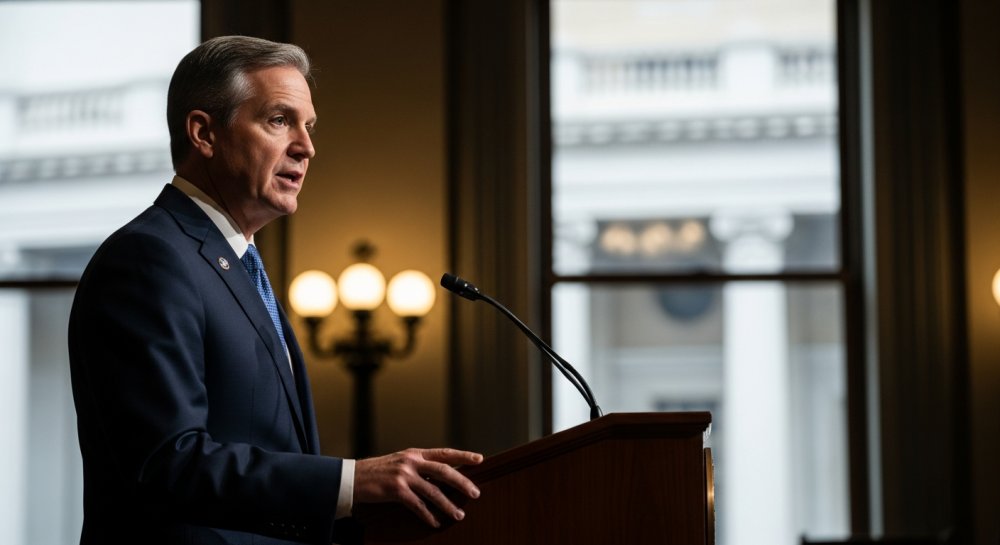
Senate Majority Leader John Thune is laying the groundwork for what could become a pivotal fiscal showdown in 2027, signaling his preference for pairing any debt ceiling increase with significant spending cuts. The South Dakota Republican made clear Thursday that he envisions a different approach to the looming debt limit crisis than Washington has taken in recent years.
Speaking to reporters, Thune acknowledged the mathematical reality facing Congress. The debt ceiling will require action in early 2027, though precise timing remains fluid between the first and second quarters of that year.
“I would love to see spending cuts included,” Thune stated when asked about his priorities for the upcoming debt ceiling negotiations.
The majority leader’s comments signal a potential return to the kind of fiscal brinkmanship that has characterized debt ceiling debates during divided government. Thune’s statement suggests Republicans may use the debt limit as leverage to extract concessions on federal spending, a strategy that has proven controversial but occasionally effective in past negotiations.
The debt ceiling, which caps the total amount of money the federal government can borrow, has become a recurring flashpoint in American politics. When the limit is reached, Congress must vote to raise or suspend it to allow continued government borrowing and prevent a catastrophic default on U.S. obligations.
Conservative lawmakers have increasingly demanded that any debt ceiling increase be paired with meaningful reforms to address America’s mounting national debt. The federal debt currently exceeds $36 trillion, raising concerns about long-term fiscal sustainability and the burden being placed on future generations.
Thune’s positioning comes as Republicans control the Senate and are seeking to demonstrate fiscal responsibility to their base. The majority leader’s willingness to publicly advocate for spending cuts attached to debt ceiling legislation suggests the party may be preparing for a sustained negotiation with the White House and Democratic lawmakers.
The 2027 timeline gives both parties substantial runway to develop their negotiating positions. Previous debt ceiling standoffs have brought the nation to the brink of default, rattling financial markets and triggering warnings from credit rating agencies about America’s creditworthiness.
Whether Thune can successfully attach spending cuts to the eventual debt ceiling legislation remains uncertain and will likely depend on the broader political landscape in 2027, including which party controls the House and whether a Republican or Democrat occupies the White House.
Let us know what you think, please share your thoughts in the comments below.
