Politics
Warren’s Regulatory Push Linked to Collapse of Budget Airline Serving Working Families

Clear Facts
- Spirit Airlines filed for bankruptcy in November 2024 after a federal judge blocked its proposed $3.8 billion merger with JetBlue Airways
- Senator Elizabeth Warren publicly celebrated the merger’s collapse, calling it a “win for flyers” despite warnings it could devastate the budget carrier
- The airline’s failure has eliminated a crucial low-cost travel option relied upon by working-class American families
The downfall of Spirit Airlines is drawing intense scrutiny toward progressive regulatory policies that critics say prioritized ideology over the economic realities facing working Americans. The budget carrier, which filed for bankruptcy in November 2024, served as a lifeline for millions of cost-conscious travelers who depended on its affordable fares.
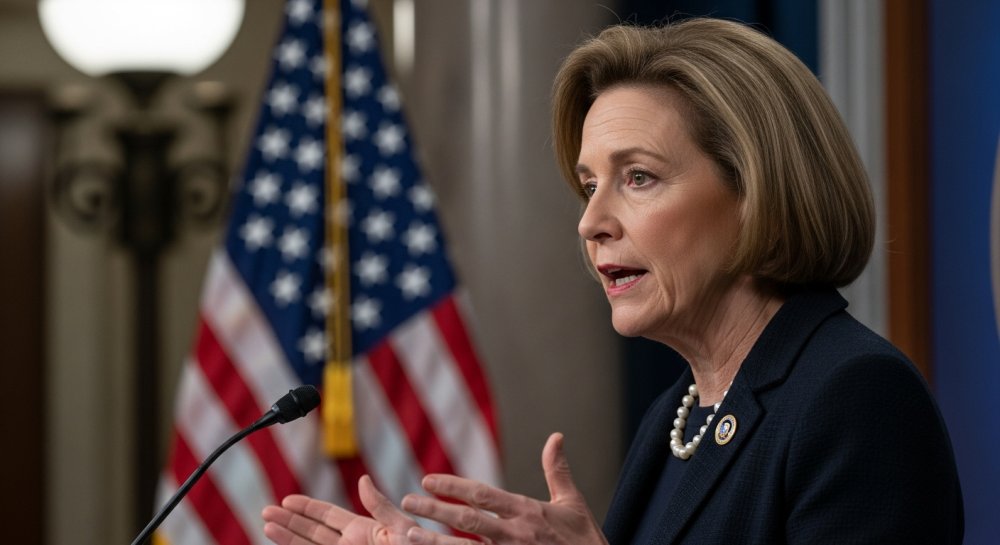
At the center of the controversy stands Senator Elizabeth Warren, who championed the federal government’s decision to block Spirit’s merger with JetBlue Airways. The Massachusetts Democrat publicly celebrated when a federal judge halted the $3.8 billion deal in January 2024, declaring on social media: “This is a Biden win for flyers!”
“This is a Biden win for flyers!”
Industry analysts had warned that blocking the merger would likely prove catastrophic for Spirit’s business model. Without the financial stability that consolidation would have provided, the airline found itself unable to compete in an increasingly challenging market. The prediction proved accurate when Spirit filed for Chapter 11 bankruptcy protection just ten months after the merger collapsed.
The regulatory intervention that Warren championed was justified on anti-monopoly grounds, with the Biden administration arguing that allowing the merger would reduce competition and raise prices for consumers. However, the outcome has been the opposite of what was promised. With Spirit’s collapse, travelers have lost access to one of the most affordable options in American aviation.
Spirit Airlines built its business serving routes and customers often overlooked by major carriers. The airline’s ultra-low-cost model made air travel accessible to working families who otherwise might not have been able to afford flying. From Florida vacation destinations to visits with distant relatives, Spirit filled a crucial niche in the American transportation landscape.
Conservative policy experts have pointed to the Spirit debacle as a textbook example of progressive overreach producing unintended consequences. The regulatory action, framed as protecting consumers from corporate consolidation, instead eliminated choice and affordability from the marketplace. The families who relied on Spirit’s budget fares are now forced to pay higher prices with other carriers or forgo air travel entirely.
The timing of the bankruptcy has raised additional questions about the Biden administration’s economic priorities. While inflation squeezed household budgets and working Americans struggled with rising costs across every sector, regulatory agencies moved aggressively to prevent a merger that might have preserved affordable travel options. Critics argue this reflects a fundamental disconnect between Washington’s progressive establishment and the daily economic challenges facing ordinary citizens.
Warren’s role in the airline’s collapse has become a flashpoint in broader debates about the proper scope of government intervention in private markets. Her celebration of the blocked merger now appears premature at best, and at worst, indicative of a political approach that values ideological victories over practical outcomes for working people.
The senator’s office has not issued substantive comment on Spirit’s bankruptcy or acknowledged any connection between the blocked merger and the airline’s subsequent failure. This silence has only amplified criticism from those who believe progressive politicians should be held accountable when their policy positions produce demonstrable harm to the constituencies they claim to represent.
For the millions of Americans who depended on Spirit Airlines for affordable travel, the regulatory victory that Warren touted has translated into a devastating loss. The airline’s bankruptcy represents not just a corporate failure, but the elimination of economic opportunity for working families who valued access over luxury and practicality over political posturing.
As the aviation industry adjusts to Spirit’s absence, the broader lesson remains clear: regulatory actions have real-world consequences that extend far beyond the bureaucratic justifications offered in Washington. The families who can no longer afford to visit relatives across the country or take modest vacations are paying the price for a “win” that Senator Warren celebrated but they never wanted.
Let us know what you think, please share your thoughts in the comments below.
