Entertainment
Country Legend Sammy Kershaw Receives CMA Apology After Veterans Speak Out

Clear Facts
- Sammy Kershaw, a lifetime CMA member since 1992 with over 50 years in country music and more than two dozen Billboard hits, was initially denied red carpet access to the 60th CMA Awards.
- Rodney Atkins and other veteran artists publicly supported Kershaw after facing similar denials, leading to widespread criticism of the CMA’s treatment of legacy performers.
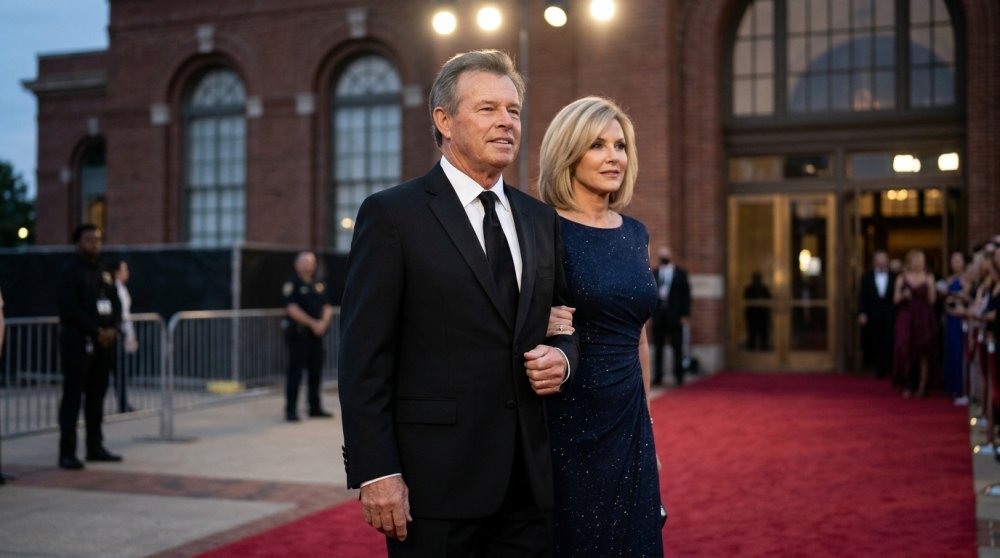
- The CMA issued an apology citing space and security concerns, then extended an invitation to Kershaw and his wife after a private conversation.
Sammy Kershaw has accepted a personal apology from the Country Music Association after the organization initially denied him and his wife red carpet access to this year’s awards show. The decision drew sharp criticism from fellow country artists who believe veteran performers deserve recognition for their contributions to the genre.
Kershaw, 68, described the initial rejection as extremely hurtful and disappointing after rearranging his touring schedule to attend. He highlighted his decades of service to country music, including millions of records sold and his status as a lifetime CMA member since 1992.
“My wife, Mendy, and I don’t get to attend these events very often, due to touring and schedule conflicts,” Kershaw wrote. “She was really looking forward to us sharing a special evening together celebrating country music.”
Rodney Atkins, another veteran artist, announced he would skip the ceremony after learning he and his wife were also denied red carpet access. Atkins emphasized that both he and Kershaw had spent their careers representing traditional country music.
“When I heard about Sammy, I thought, ‘What a shame. He’s a great guy, sweetheart of a dude. Spent his life representing country music,'” Atkins said. “Then I found out the same thing happened to me.”
The backlash highlighted concerns that the CMA has prioritized influencers, actors, and crossover celebrities while sidelining artists who helped build the genre. Mark Chesnutt criticized the organization for favoring pop stars and Hollywood figures over longtime country performers.
“It’s a shame they don’t respect the stars that dominated the charts in the past thirty years or before that but they sure roll out the welcome mat for pop stars and Hollywood movie stars and even hip hop artists,” Chesnutt wrote.
Pam Tillis noted that legacy artists serve as a bridge between country music’s past and future. She emphasized that many established performers still connect with multigenerational audiences who continue to support traditional country sounds.
The CMA responded by apologizing for any feelings of exclusion and citing space and security requirements for red carpet management. The organization stated it was working to honor both the genre’s history and current achievements during its milestone 60th anniversary year.
Following a private conversation with CMA leadership, Kershaw accepted their sincere apology and invitation to attend the ceremony with his wife. He expressed hope that the discussions would lead to lasting change in how legacy artists are recognized.
“You cannot celebrate 60 years of country music without celebrating the artists who helped build those 60 years,” Kershaw wrote. “Country music has always been about honoring where we’ve come from while embracing where we’re going.”
Let us know what you think, please share your thoughts in the comments below.
