Politics
Federal Trade Commission Targets Advertising Blacklist System

Clear Facts
- The Federal Trade Commission has filed a lawsuit against the Global Alliance for Responsible Media (GARM), alleging anticompetitive practices in the advertising industry
- GARM, which dissolved in August 2024, allegedly coordinated advertiser boycotts that disproportionately affected conservative media outlets
- The FTC’s action seeks to prevent similar organizations from engaging in collective advertising restrictions based on ideological criteria
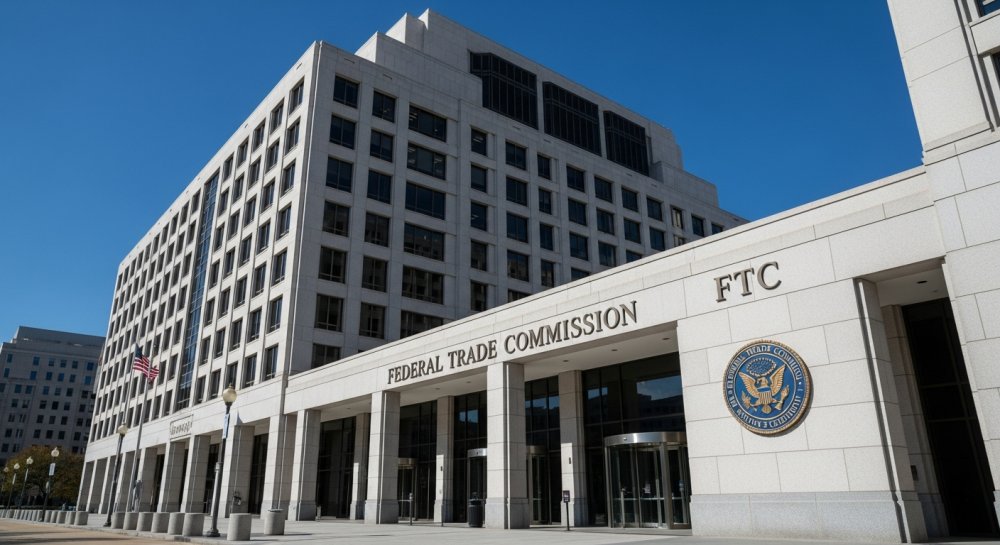
The Federal Trade Commission has taken decisive action against a controversial advertising alliance accused of systematically excluding conservative media from revenue opportunities. The agency filed suit against the now-defunct Global Alliance for Responsible Media, citing violations of antitrust law.
GARM operated as a coordinating body for major advertisers, ostensibly promoting “brand safety” while allegedly creating blacklists that targeted right-leaning news outlets. The organization shut down in August 2024 after facing mounting legal pressure and public scrutiny.
According to the FTC’s complaint, GARM facilitated agreements among competing advertisers to collectively withhold advertising dollars from certain media platforms. This coordination allegedly gave the alliance and its members outsized power to determine which news sources would receive advertising revenue and which would be starved of funding.
The legal action represents a significant development in the ongoing battle over media censorship and revenue manipulation. Conservative outlets have long argued that “brand safety” initiatives serve as cover for ideological discrimination, allowing major corporations to defund news organizations that don’t align with progressive viewpoints.
“This anticompetitive conduct has no place in a free market,” the FTC stated in its filing.
The timing of this enforcement action is noteworthy. It comes after years of complaints from conservative media organizations about coordinated demonetization efforts. Major platforms including X (formerly Twitter) were among those targeted by GARM’s recommendations, facing advertiser boycotts that coincided with changes in content moderation policies.
GARM’s membership included some of the world’s largest advertisers and advertising agencies, giving the organization substantial influence over digital advertising spending. Critics argue this concentrated power was wielded to punish media outlets for political speech rather than genuine safety concerns.
The FTC’s complaint alleges that GARM members used the organization to share competitively sensitive information and coordinate advertising decisions that would have been prohibited if made through direct competitor agreements. By routing these arrangements through a trade association, the participants allegedly sought to disguise what amounted to collective boycotts.
Industry observers note that legitimate brand safety concerns exist regarding truly harmful content. However, the FTC’s action suggests the agency found evidence that GARM exceeded appropriate bounds, moving from protecting brands to stifling lawful speech and competition.
The case could have far-reaching implications for how advertising decisions are made across the digital media landscape. If successful, the FTC’s action would establish clearer boundaries for industry coordination and potentially open the door for affected media organizations to seek damages.
Conservative media advocates have welcomed the FTC’s involvement, viewing it as validation of long-standing concerns about systematic discrimination. They argue that advertiser coordination to defund conservative outlets represents a significant threat to media diversity and free expression.
The broader context includes growing scrutiny of how major corporations wield economic power to influence public discourse. This case intersects with ongoing debates about corporate activism, cancel culture, and the role of concentrated economic power in shaping the information ecosystem.
As the legal proceedings move forward, the outcome could reshape how advertisers coordinate their media spending decisions. The FTC’s willingness to challenge industry practices that allegedly disadvantage conservative voices marks a potentially significant shift in regulatory enforcement priorities.
Let us know what you think, please share your thoughts in the comments below.
