World News
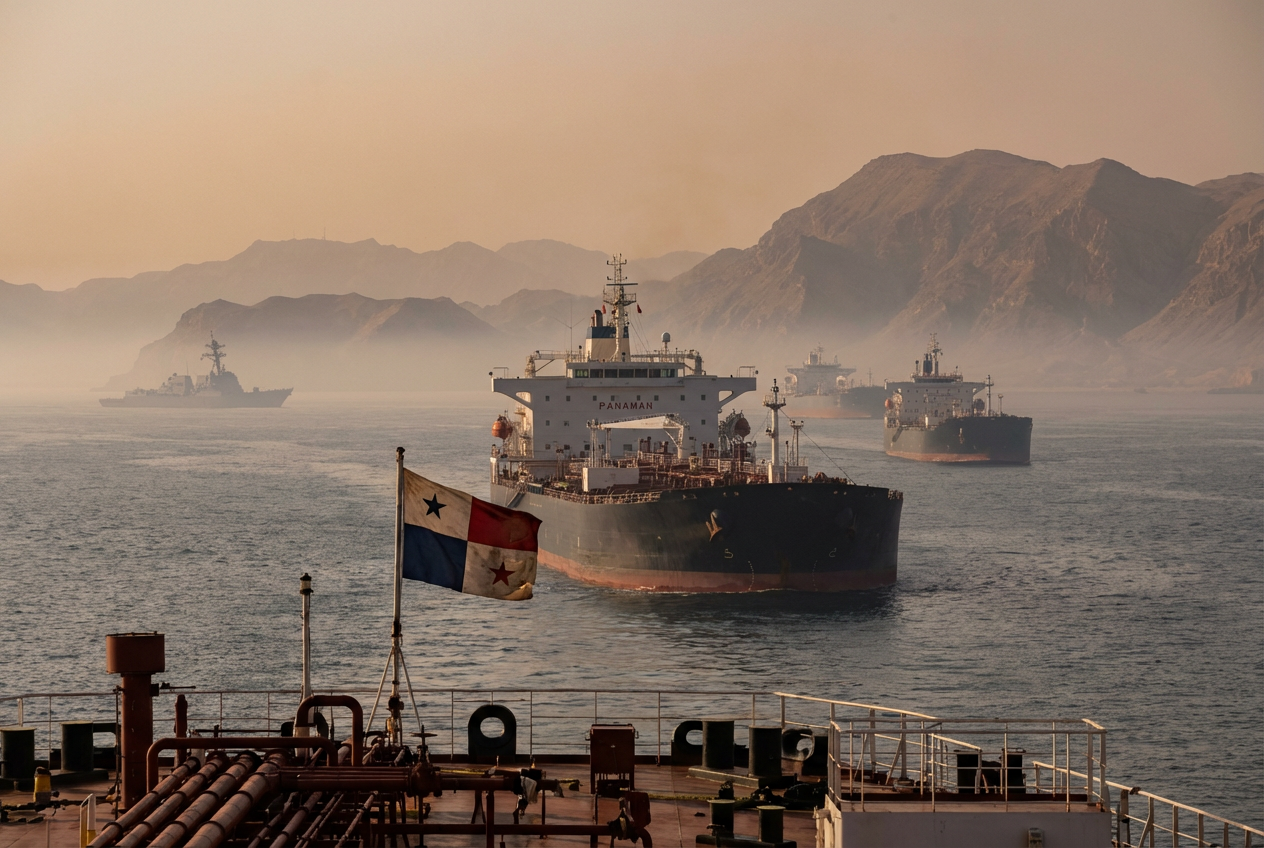
Chinese Tankers Slip Past Strait of Hormuz Blockades

Clear Facts
- Chinese-owned oil tankers successfully crossed the Strait of Hormuz despite multiple active blockades.
- The vessels Rich Starry and Murlikishan bypassed restrictions by visiting non-Iranian ports with approval from the Iranian regime.
- Rich Starry is owned by a sanctioned entity under U.S. Treasury Department oversight for ties to Iran.
Multiple Chinese-owned oil tankers are currently navigating the Strait of Hormuz by exploiting specific loopholes in international blockades. These vessels avoid U.S. enforcement by transiting to and from non-Iranian ports while obtaining direct permission from the Iranian regime to pass.
Chinese Foreign Ministry Spokesperson Guo Jiakun addressed the maritime tensions during a recent press conference regarding the strategic shipping lane.
“The Strait of Hormuz is an important international trade route for goods and energy. Keeping the area safe and stable and ensuring unimpeded passage serves the common interest of the international community,” Jiakun said.
“The root cause of the disruption at the Strait of Hormuz is the military conflict. To solve the issue, the conflict must stop as soon as possible.”
U.S. Central Command initially stated that no vessels had breached the blockade, though later clarifications noted that freedom of navigation is supported for those visiting non-Iranian destinations.
Over 10,000 U.S. military personnel are currently deployed to the region to monitor and enforce maritime restrictions.
“No ships made it past the U.S. blockade,” according to an X post from U.S. Central Command.
The Rich Starry is owned by Shanghai Xuanrun Shipping Co Ltd, an entity currently subject to American sanctions under Executive Order 13949. Both tankers involved in the transit were flying foreign flags of convenience, specifically from Malawi and Madagascar, to facilitate their movement.
Reports indicate that bypassing the Iranian portion of the blockade requires vessels to pay tolls in Chinese Yuan and gain explicit regime approval. This coordination suggests a growing alignment between Beijing and Tehran as regional tensions escalate.
Let us know what you think, please share your thoughts in the comments below.
