Crime
Justice Department Launches Criminal Investigation Into Liberal Watchdog

Clear Facts
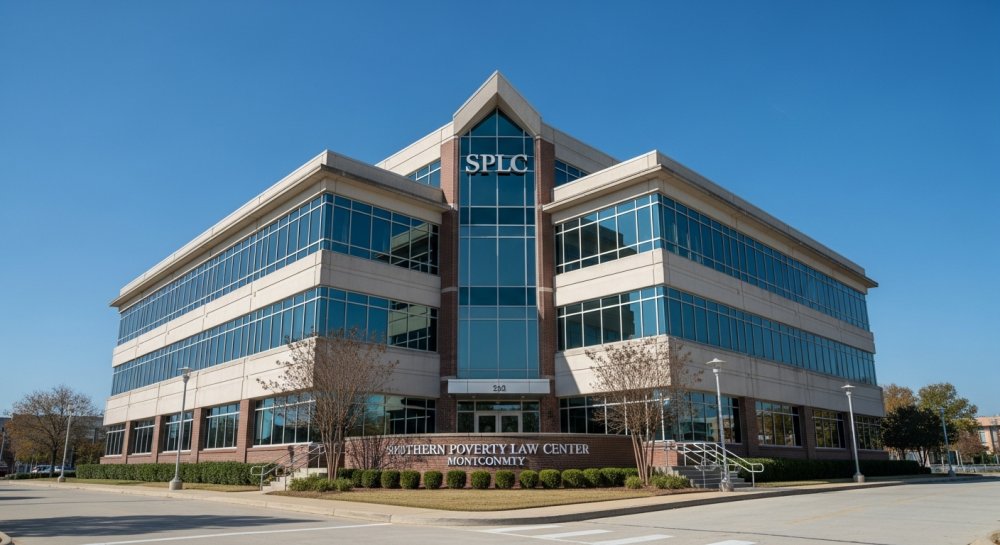
- The Department of Justice has opened a criminal investigation into the Southern Poverty Law Center (SPLC)
- The probe involves potential violations of the Foreign Agents Registration Act (FARA) and concerns about foreign funding sources
- SPLC has been accused of abandoning its civil rights mission to target conservative organizations as ‘hate groups’
The Department of Justice has initiated a criminal investigation into the Southern Poverty Law Center, marking a significant shift in scrutiny toward an organization that has long positioned itself as a civil rights watchdog. The investigation focuses on potential violations of federal law regarding foreign influence and funding transparency.
Sources familiar with the matter indicate the probe centers on whether the SPLC failed to properly register as a foreign agent while receiving funding from overseas sources. The Foreign Agents Registration Act requires organizations that act on behalf of foreign principals to register with the DOJ and disclose their activities and funding sources.
The SPLC, founded in 1971 to combat racial discrimination and support civil rights causes, has drawn increasing criticism in recent years for what conservatives describe as its transformation into a partisan organization that brands mainstream conservative groups as extremists. The organization’s “hate map” and designation of various faith-based and policy organizations as hate groups has been particularly controversial.
“The Southern Poverty Law Center long ago abandoned civil rights work,” said one critic familiar with the organization’s operations.
The investigation comes as the SPLC maintains substantial financial reserves, with reports indicating the organization holds hundreds of millions of dollars in assets. Questions about the sources of this funding and the organization’s financial transparency have persisted for years among conservative critics and some media outlets.
Former employees and critics have previously raised concerns about the organization’s internal culture and mission drift. Several high-profile departures in recent years followed allegations of workplace misconduct and questions about whether the organization remained true to its founding civil rights mission.
The SPLC has labeled numerous mainstream conservative organizations as hate groups, including well-established policy institutes and religious freedom advocacy groups. These designations have had real-world consequences, with technology companies and financial institutions sometimes using SPLC classifications to justify deplatforming or denying services to conservative organizations.
Legal experts note that FARA investigations can be complex and lengthy. The law requires entities acting as agents of foreign principals in a political or quasi-political capacity to make periodic public disclosure of their relationship with the foreign principal and activities on behalf of that principal.
The investigation represents one of several recent DOJ actions examining the funding and activities of major nonprofit organizations operating in the political sphere. Transparency advocates have long called for greater scrutiny of how such organizations are funded and whether they adequately disclose foreign financial support.
The SPLC has not yet publicly responded to news of the investigation. The organization’s leadership has previously defended its hate group designations as based on research and consistent with its mission to combat extremism and hate.
Critics argue the investigation is overdue given the SPLC’s outsized influence in shaping public discourse about which organizations and viewpoints are considered acceptable. The organization’s classifications have been cited by media outlets, tech platforms, and payment processors in decisions affecting conservative voices.
As the investigation proceeds, questions remain about what specific foreign funding sources may be under scrutiny and whether the SPLC will face criminal charges or simply be required to register under FARA going forward. The outcome could have significant implications for how nonprofit advocacy organizations operating in the political sphere are regulated.
Let us know what you think, please share your thoughts in the comments below.
