U.S. News
Minnesota Nursing Homes Win Fight for Personal Freedom

Clear Facts
- Governor Tim Walz signed legislation allowing nursing homes and assisted living facilities to serve alcohol without a liquor license
- The law was championed by 88-year-old assisted living resident Anita LeBrun, whose testimony went viral
- Facilities must ensure staff serving alcohol are at least 18 and prevent residents from overindulging
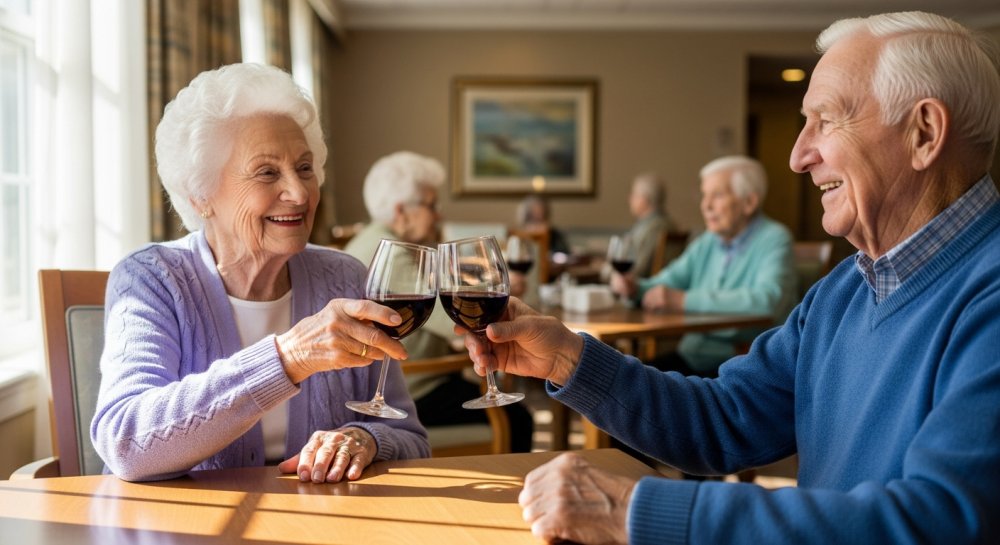
Minnesota Governor Tim Walz signed legislation Tuesday restoring a basic freedom to the state’s nursing home residents — the right to enjoy a drink with friends. The bipartisan measure, dubbed the “Grandparents’ Happy Hour” law, removes bureaucratic barriers that previously prevented senior living facilities from organizing social events featuring alcohol.
Under Minnesota’s outdated regulations, nursing homes and assisted living facilities were barred from hosting events with alcohol unless they obtained a full liquor license — an expensive and burdensome requirement that effectively denied residents the simple pleasure of sharing a glass of wine or beer during social gatherings. The new law eliminates this unnecessary government overreach while maintaining sensible safeguards.
“Living in a nursing home shouldn’t mean giving up everyday freedoms,” Walz wrote on social media following the signing. “I just signed a bill allowing seniors living in nursing homes to consume alcohol – so that everyone can enjoy happy hour!”
The legislation also modernizes other aspects of Minnesota’s liquor laws, granting certain cities greater licensing authority and updating rules for businesses including University of Minnesota facilities.
The driving force behind the bill’s passage was Anita LeBrun, an 88-year-old assisted living resident whose passionate testimony before state lawmakers captured national attention. LeBrun’s common-sense advocacy demonstrated the absurdity of regulations that treated responsible seniors like children.
“My friends and I love happy hour, just like many of you do, I am sure,” LeBrun told the House Commerce, Finance and Policy Committee last month.
“Over a shared drink, we get to reminisce about parts of our lives, military service, raising a family, the loss of a friend, and celebrating the golden phase of our lives too,” she explained.
LeBrun emphasized a fundamental principle that resonates with conservative values: personal freedom and dignity should not be stripped away simply because someone requires assisted living. Before the law changed, residents were forced to navigate awkward workarounds, bringing their own alcohol to social gatherings while facilities stood helpless to serve them properly.
“Living in an assisted facility doesn’t mean that we should have fewer freedoms than anyone else,” LeBrun told a state Senate committee.
The new law includes reasonable protections. Staff members serving alcohol must be at least 18 years old, and facilities bear responsibility for monitoring consumption to prevent overindulgence. These commonsense guardrails ensure safety without imposing nanny-state restrictions on personal choice.
Minnesota’s previous regulations were notably restrictive compared to other states, where senior living communities routinely allow residents to enjoy alcoholic beverages during informal social hours. The state’s rules were an outlier that unnecessarily limited how facilities could organize communal activities.
“Living in a nursing home or assisted living facility should not mean giving up everyday freedoms,” Walz said in a statement. “This bipartisan bill increases independence and safety under clear regulations, while ensuring residents are treated with the respect and dignity they deserve—including the ability to get together for happy hour.”
LeadingAge Minnesota, an industry group representing senior living providers, praised the legislation for recognizing what should be obvious: moving into a care facility doesn’t justify surrendering basic autonomy.
“Ultimately, the ‘free the happy hour’ bill is about restoring a fundamental expectation — that moving into a senior living community does not mean giving up one’s autonomy,” the organization stated last month.
The measure represents a victory for personal freedom and the recognition that government should not micromanage every aspect of citizens’ lives. For Minnesota’s senior residents, it means the simple dignity of raising a glass with friends without bureaucratic interference — a freedom most Americans take for granted.
Let us know what you think, please share your thoughts in the comments below.
