World News
Iran Strikes US Military Base Hours After Ceasefire Takes Effect

Clear Facts
- Iran claims responsibility for missile attack on US military base in Syria shortly after ceasefire implementation
- Attack threatens fragile ceasefire agreement between conflicting parties in the region
- Iranian officials warn that any American military action will be met with immediate retaliation
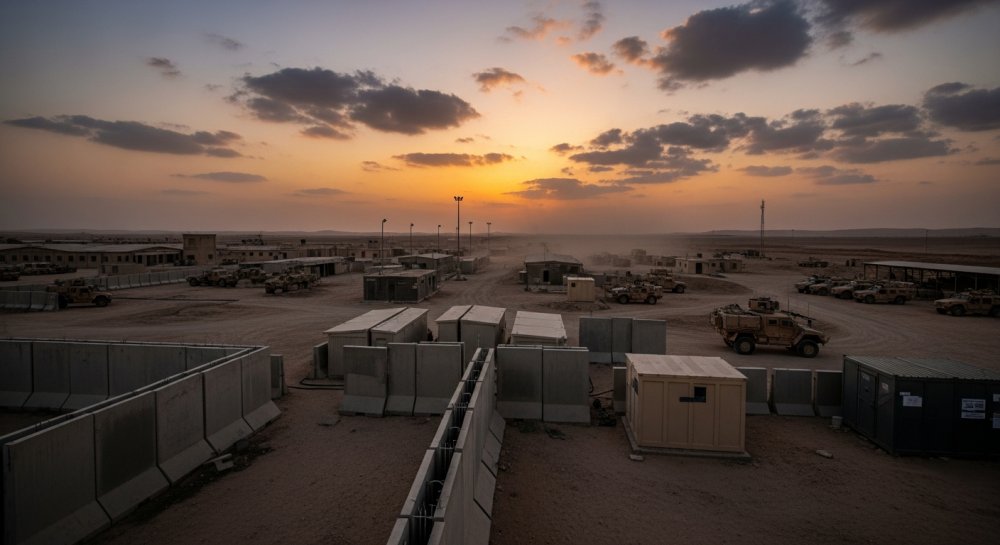
Iran has claimed responsibility for a missile strike targeting a United States military installation in Syria, raising serious concerns about the durability of a recently implemented ceasefire in the region. The attack occurred just hours after the ceasefire officially took effect, marking a dangerous escalation that could derail diplomatic efforts.
Iranian officials issued a stark warning to American forces following the strike. Regional commanders stated that any perceived aggression would be answered with force, adopting a confrontational posture that undermines stability in an already volatile theater of operations.
— U.S. Central Command (@CENTCOM) June 26, 2026
“Violence will be met with violence,” Iranian military representatives declared in official statements released through state media channels.
The timing of the attack raises questions about Iran’s commitment to regional de-escalation and its willingness to respect international agreements. American military personnel stationed at the targeted facility reportedly took defensive measures, though details about casualties or damage remain limited pending official Pentagon confirmation.
This aggressive action by Iranian forces demonstrates a pattern of behavior that threatens American servicemembers and allies throughout the Middle East. The attack comes at a critical juncture when diplomatic channels were working to establish a framework for reducing tensions and preventing further conflict.
Defense analysts note that Iran’s decision to strike so soon after ceasefire implementation suggests either a calculated provocation or a breakdown in command and control within Iranian military structures. Either scenario presents significant challenges for American strategic planning in the region.
The incident underscores the ongoing threats faced by American troops deployed overseas and the complex security environment in which they operate. It also highlights the unreliability of agreements made with adversarial nations that continue to demonstrate hostility toward American interests.
Congressional leaders are expected to demand briefings from military and intelligence officials regarding the attack and potential response options. The strike may also influence ongoing debates about force posture and troop levels in contested regions where American personnel face persistent threats.
Let us know what you think, please share your thoughts in the comments below.
