World News
Beijing Denies Trump’s Election Interference Claims as CIA Documents Surface

Clear Facts
- President Trump accused China of attempting to influence the 2018 midterm and 2020 presidential elections, citing newly released CIA documents
- China’s Foreign Ministry called the allegations “entirely fabricated” and threatened countermeasures against new visa restrictions
- Trump claims intelligence officials concealed critical information about Chinese interference from his presidential briefings
China issued a sharp denial Friday after President Donald Trump accused Beijing of working to influence American elections, calling his claims “entirely fabricated” and threatening retaliation.
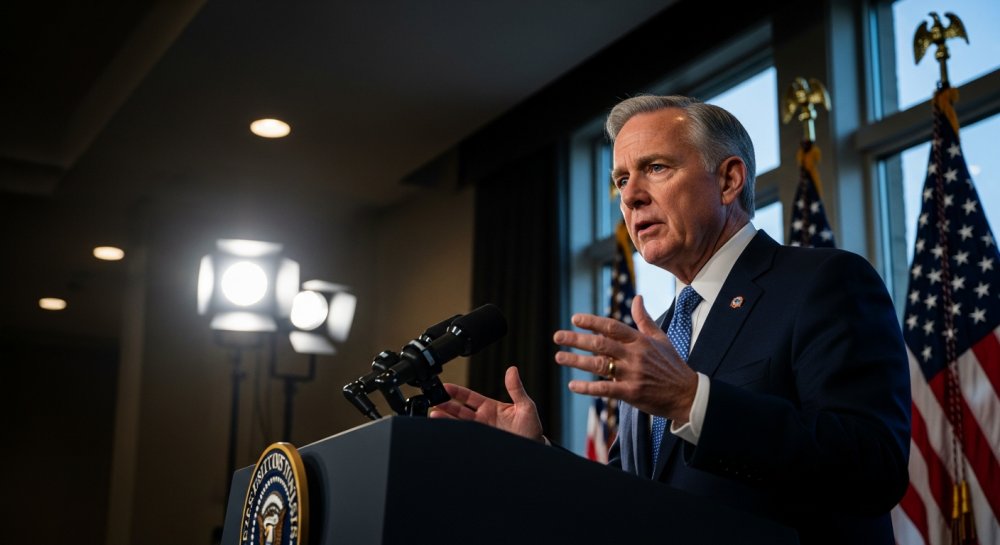
In a primetime address Thursday night, Trump revealed newly declassified documents showing CIA intelligence that explicitly detailed Chinese Communist Party efforts to undermine his presidency. The documents reportedly show that in mid-2018, the CCP’s policy was to leverage domestic and foreign elements opposed to Trump in an effort to reduce his vote total and force his resignation or prevent his reelection.
“The reason they wanted me to lose is because they knew I was wise to them,” Trump said.
The President also accused members of the U.S. intelligence community of operating a “shadow government” that deliberately concealed evidence of China’s election interference efforts from him and the American public.
China’s Foreign Ministry spokesperson Lin Jian responded forcefully on Friday.
“The relevant allegations by the U.S. are entirely fabricated and aimed at vilifying China. We have no interest in interfering in US elections and have never done so.”
When asked whether Trump’s accusations might affect Chinese President Xi Jinping’s expected visit to the United States in September, Jian deflected. “We urge the U.S. to stop making an issue of China in its elections and do something conducive to China-U.S. relations,” he said.
Trump clarified that his allegations do not involve vote tampering or altered election results. Instead, he argued that Beijing engaged in a broad influence campaign designed to shape American public opinion against his administration.
The President highlighted an email from a National Security Agency analyst that allegedly stated, “We have deliberately massaged our one pending [presidential daily brief] to avoid any direct links to the election.”
“Those responsible for sounding the alarm instead kept the information secret and hidden,” Trump claimed. “They did not disclose it to me as president or to anyone else.”
Trump used the disclosure to press Congress to pass the SAVE America Act, casting the intelligence as proof that lawmakers must strengthen federal election security before the midterms. The bill passed the House in February but stalled in the Senate in March, falling short of the 60 votes needed to advance with a 53-47 vote.
The President urged Americans to contact their senators and representatives and demand the bill’s passage “without delay.”
Adding to tensions, the Trump administration announced Thursday it will drastically reduce visa lengths for foreign journalists in the United States to 240 days, down from several years. For Chinese journalists specifically, visas will be limited to just 90 days.
China’s Foreign Ministry called the decision “discriminatory” and said it would harm the work of Chinese media operating in America.
“China urges the U.S. to immediately revoke its discriminatory policies targeting Chinese journalists and effectively safeguard their lawful rights and interests in the U.S.,” Jian said during a daily briefing in Beijing.
“China reserves the right to take reciprocal countermeasures,” he added.
Let us know what you think, please share your thoughts in the comments below.
