World News
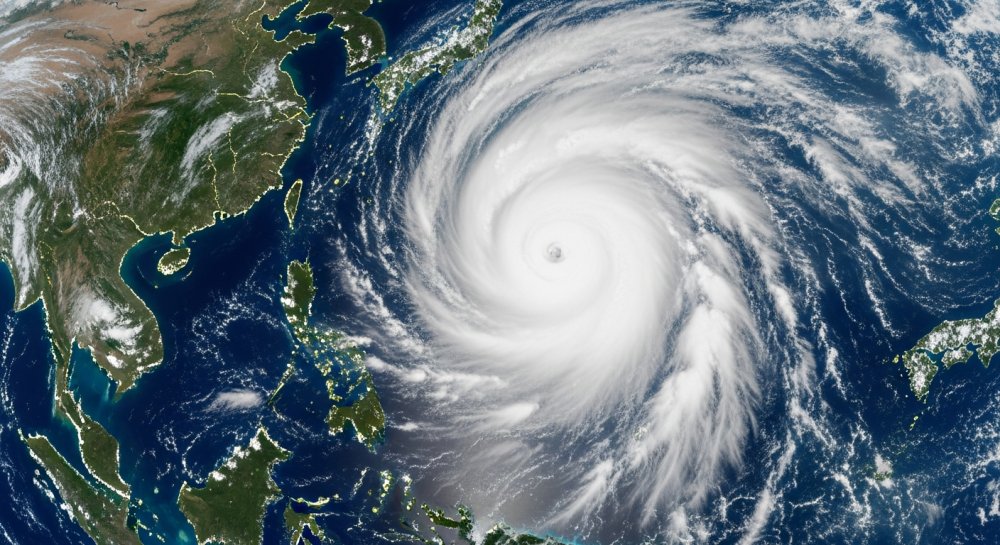
Massive Super Typhoon Bavi Threatens China and Taiwan

Clear Facts
- Super Typhoon Bavi has grown to massive proportions with a wind field ranking in the top 3% of all Western Pacific typhoons over the past decade
- The storm system is currently moving toward China and Taiwan, threatening millions of residents in its projected path
- Meteorologists are closely monitoring the typhoon’s unprecedented size and potential impact on heavily populated coastal regions
A colossal weather system is bearing down on East Asia as Super Typhoon Bavi continues its relentless march toward China and Taiwan. The storm has meteorologists and emergency officials on high alert due to its extraordinary size and power.
According to weather data, Bavi’s wind field places it among the largest typhoons recorded in the Western Pacific basin over the last ten years. The storm ranks in the top 3% of all typhoons in the region during this period, making it a particularly dangerous threat to coastal communities.
🌀HISTORIC TYPHOON: Typhoon Bavi has undergone an eyewall replacement cycle, expanding its wind field into what the U.S. Joint Typhoon Warning Center is calling a “gargantuan” typhoon. Latest on the monster storm: pic.twitter.com/HqY4FNpRWs
— FOX Weather (@foxweather) July 9, 2026
The sheer scale of the typhoon means that its impacts will be felt across a vast area, potentially affecting millions of people. Chinese and Taiwanese authorities are preparing emergency response measures as the storm approaches their coastlines.
Residents in the projected path are being urged to secure property, stock emergency supplies, and prepare for possible evacuations. The combination of powerful winds, torrential rainfall, and coastal storm surge could create life-threatening conditions across multiple provinces and regions.
The typhoon serves as a stark reminder of the natural forces that coastal nations must contend with, particularly during peak storm season. Emergency management officials are coordinating response efforts and monitoring the storm’s track closely as it continues its approach.
Historical data shows that storms of this magnitude can cause widespread infrastructure damage, flooding, and power outages that may last for days or weeks. Local governments are mobilizing resources to respond to the anticipated emergency.
Let us know what you think, please share your thoughts in the comments below.
