World News
American Pilot Killed by Separatists in Remote Indonesian Province

Clear Facts
- An American pilot was shot and killed by West Papua separatists after his small aircraft landed in Indonesia’s mountainous Intan Jaya region
- The separatist group West Papua Liberation Army (TPNPB) claims responsibility and states the attack was intended as a message to the United States
- The pilot’s aircraft was burned following the attack, according to the militant group’s statement
An American pilot has been killed in a separatist attack in Indonesia’s remote Papua region, according to statements from the militant group claiming responsibility for the assault. The incident highlights the ongoing security challenges facing both foreign nationals and Indonesian authorities in the contested province.
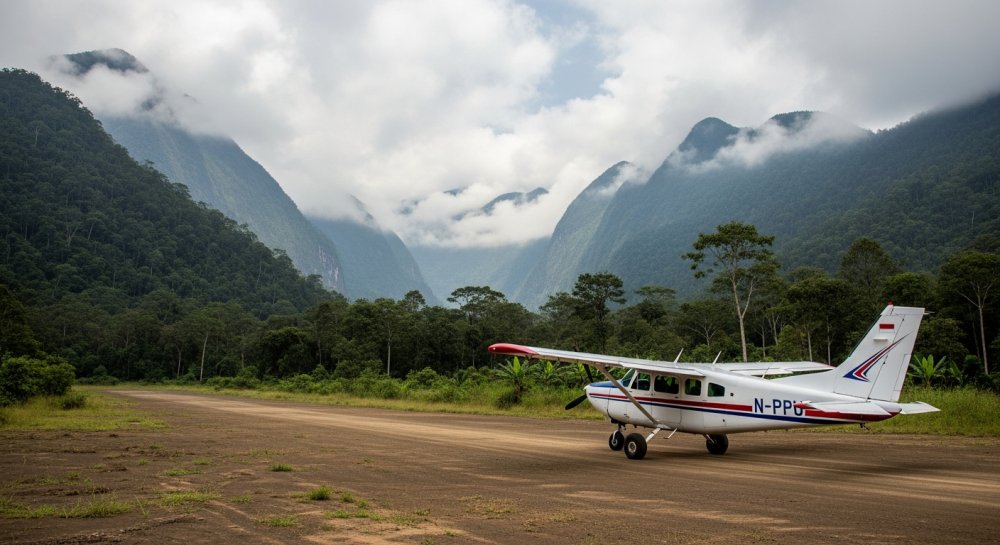
The West Papua Liberation Army, known locally as TPNPB, issued a statement taking credit for the attack on the pilot after his small aircraft landed in the mountainous Intan Jaya region of Papua province. The separatist organization has been waging a decades-long insurgency seeking independence from Indonesian rule.
“We immediately fired upon and burned the plane,” the group stated in their claim of responsibility.
The separatists explicitly characterized the attack as a deliberate message directed at the United States government. Their statement indicates the killing was not a random act of violence but a calculated action intended to draw international attention to their cause and discourage American involvement in the region.
Papua province, located in the western half of New Guinea island, has been the site of a low-level insurgency for decades. The separatist movement there seeks independence from Indonesia, which has controlled the territory since the 1960s. The region’s remote terrain, covered in dense jungle and towering mountains, has made it difficult for Indonesian security forces to maintain consistent control.
Foreign pilots frequently operate in Papua’s isolated communities, where small aircraft serve as the primary means of transportation and supply delivery. Many villages in the highland regions are accessible only by air, making aviation services essential for both humanitarian operations and commercial activities.
The attack represents a troubling escalation in targeting foreign nationals working in the region. Previous incidents have primarily focused on Indonesian military and government personnel, though civilian aircraft have occasionally been caught in the crossfire of the ongoing conflict.
American citizens working in remote conflict zones have long faced security risks, but direct targeting based on nationality remains relatively uncommon in the Papua insurgency. The separatists’ explicit framing of this attack as a message to Washington suggests a potential shift in their tactical approach.
Indonesian authorities have not yet released an official statement regarding the incident or provided confirmation of the victim’s identity. The remote location of the attack makes independent verification challenging, and communication infrastructure in the region is limited.
The security situation in Papua has deteriorated in recent years, with separatist groups becoming increasingly bold in their operations. Indonesian military forces have conducted numerous operations aimed at suppressing the insurgency, but the difficult terrain continues to provide advantages to rebel groups familiar with the local geography.
Let us know what you think, please share your thoughts in the comments below.
