World News
Trump Planning Historic Three-Way Summit as Middle East Ceasefire Holds

Clear Facts
- Israeli Prime Minister Benjamin Netanyahu may visit Washington starting May 11 for talks with President Trump and Lebanese President Joseph Aoun
- The meeting would occur during a three-week ceasefire extension Trump brokered between Israel and Lebanon on April 23
- Netanyahu’s attendance depends on whether he can safely leave Israel amid ongoing regional tensions
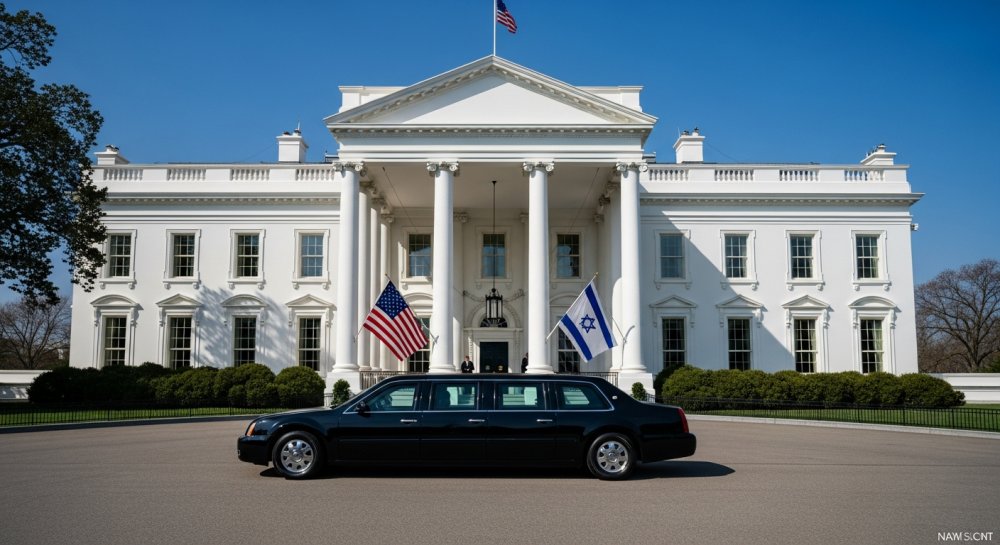
President Donald Trump is planning a major diplomatic summit that could bring Israeli Prime Minister Benjamin Netanyahu and Lebanese President Joseph Aoun to Washington beginning May 11, according to reports from i24News. The potential meeting would mark a significant step in Trump’s Middle East peace efforts.
Netanyahu’s attendance remains contingent on security conditions that would allow him to safely leave Israel. The Israeli leader last met with Trump in February, where the two discussed ongoing negotiations with Iran during a closed-door White House session that stretched three hours.
That February meeting preceded Operation Epic Fury, when U.S. forces bombed Iranian targets later that month. The upcoming summit would build on those diplomatic efforts and focus on stabilizing the volatile region.
The timing of the proposed meeting falls within a critical three-week ceasefire extension between Israel and Lebanon that Trump personally brokered during an April 23 White House meeting with both nations’ representatives.
“The Meeting went very well!” Trump announced on Truth Social. “The United States is going to work with Lebanon in order to help it protect itself from Hezbollah.”
The April 23 negotiations included Vice President JD Vance, Secretary of State Marco Rubio, Ambassador to Israel Mike Huckabee, and Ambassador to Lebanon Michel Issa, alongside diplomats from both Israel and Lebanon. Trump indicated at that time he would host Netanyahu and Aoun “in the near future.”
Under the current ceasefire agreement, Israel retains the right to take self-defense measures while Lebanon must prevent Hezbollah from carrying out attacks, operations, or hostile activities against Israeli targets. The arrangement represents a delicate balance aimed at reducing violence while addressing legitimate security concerns.
Tensions between the two nations remain elevated, with both sides accusing the other of ceasefire violations. The initial round of talks held April 14 marked the first high-level meeting between Israel and Lebanon since 1993, underscoring the historic nature of Trump’s diplomatic push.
Recent incidents have tested the fragile peace. An Israeli soldier damaged a statue of Jesus in the southern Lebanese village of Debel, sparking widespread controversy and swift condemnation from the Israel Defense Forces.
The IDF expressed “deep regret” on X, calling the act a “moral failure” that contradicts its core values. The soldier responsible, along with the individual who filmed the incident, was removed from combat duty and sentenced to 30 days of military detention. The IDF replaced the statue in full coordination with the local Christian community.
Trump’s active engagement in Middle East diplomacy represents a return to the hands-on approach that characterized his first term, when he brokered the historic Abraham Accords normalizing relations between Israel and several Arab nations. The potential three-way summit would build on that legacy while addressing current regional challenges.
Let us know what you think, please share your thoughts in the comments below.
