Politics
Wisconsin Brewery Loses Permits After Trump Death Offer

Clear Facts
- The Wisconsin Department of Revenue is revoking permits for Minocqua Brewing Company
- Owner Kirk Bangstad previously offered free beer if President Trump died
- The state agency’s action follows the controversial promotion by the brewery
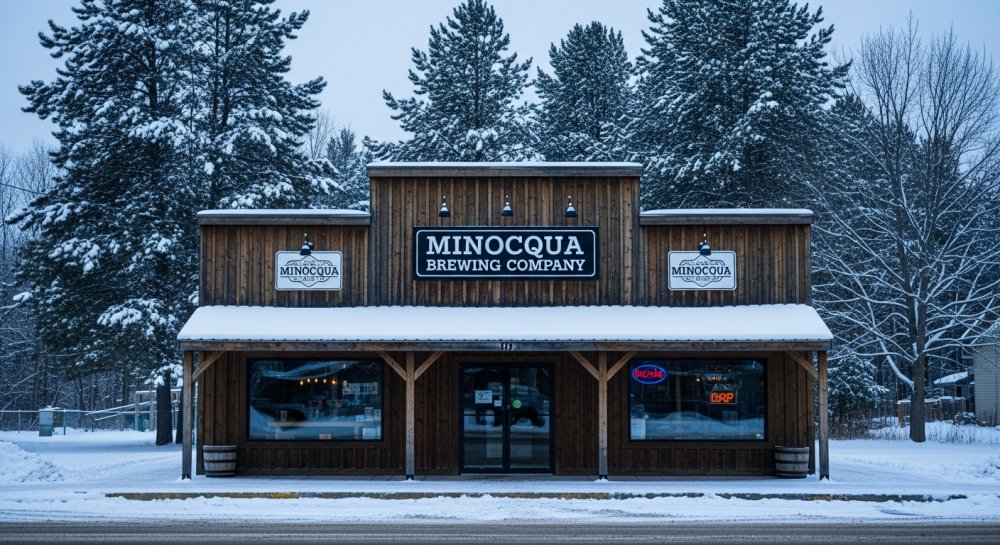
The Wisconsin Department of Revenue is moving to revoke the operating permits of Minocqua Brewing Company after owner Kirk Bangstad offered free beer to customers in the event of President Donald Trump’s death. The unprecedented promotional offer has resulted in swift regulatory action against the establishment.
Kirk Bangstad, who owns the brewery, confirmed that the DOR is pursuing permit revocation. The agency’s decision comes after widespread backlash over the inflammatory promotion that targeted the sitting president.
BREAKING: Wisconsin brewing company who advertised free beer the day Trump dies, and mourned the failed ass*ssination attempts, says their permit has been REVOKED pic.twitter.com/hVod1E9kIm
— Libs of TikTok (@libsoftiktok) July 28, 2026
The case raises questions about the boundaries of commercial speech and the responsibility of business owners to maintain basic standards of civility. While free speech protections are fundamental to American liberty, state alcohol licensing comes with regulatory oversight that can be revoked when businesses engage in conduct deemed inappropriate.
Wisconsin’s alcohol beverage industry operates under strict state licensing requirements. The Department of Revenue maintains authority over these permits and can take action when establishments violate standards or engage in conduct that reflects poorly on the industry.
The brewery’s owner has been known for progressive political activism in the conservative-leaning northern Wisconsin region. This latest controversy represents an escalation in politically charged business practices that have now attracted state regulatory attention.
Small business owners across America have increasingly used their platforms for political expression, but this case demonstrates the potential consequences when commercial enterprises cross lines of basic decency and respect for public officials.
The revocation process will follow standard administrative procedures, giving the brewery owner opportunity to respond before final action is taken. The outcome could set precedent for how Wisconsin handles similar cases involving political statements by licensed establishments.
Let us know what you think, please share your thoughts in the comments below.
