Crime
Media Blackout Shields Defense Strategy in Austin Metcalf Trial

Clear Facts
- The Austin Metcalf trial is not being televised despite significant public interest in the case
- Legal proceedings involve defense strategies that raise questions about transparency in the justice system
- The decision to limit public access contrasts with typical coverage of high-profile criminal trials
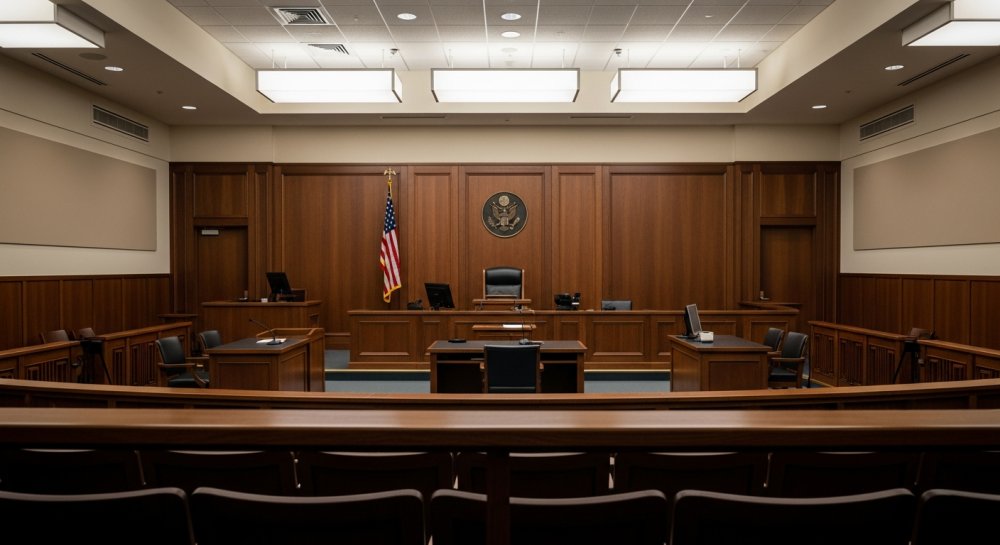
The American justice system faces renewed scrutiny as the Austin Metcalf trial proceeds behind closed doors, denied the television coverage that typically accompanies cases of significant public interest. The absence of cameras in the courtroom has sparked debate about transparency and equal application of justice.
Legal observers note a troubling pattern in how certain cases receive extensive media coverage while others proceed in relative obscurity. The Metcalf case appears to fall into the latter category, despite raising fundamental questions about fairness and accountability in our courts.
Demonstrators gathered outside the Collin County Courthouse before Karmelo Anthony’s murder trial began Monday morning.
Supporters chanted in favor of Anthony’s self-defense claim, while others across the street voiced support for Austin Metcalf, highlighting the deep divisions… pic.twitter.com/rhZx47cgZs
— Dallas Morning News (@dallasnews) June 1, 2026
From Minister Dominique Alexander:
Today, we were informed by the Collin County District Attorney that Karmelo Anthony has been indicted. As many of you know, this is the first step in a criminal proceeding, and now the legal process will move forward toward trial.
Over the…
— Minister Dominique Alexander (@niquealex) June 24, 2025
The defense strategy employed in this trial has drawn criticism from those who believe the public has a right to witness how justice is administered. Without televised proceedings, Americans are left to rely on filtered accounts rather than observing the legal process firsthand.
This selective approach to court transparency undermines confidence in our judicial institutions. When the public cannot observe trials directly, it creates an environment where questions about preferential treatment and unequal justice naturally arise.
The contrast between high-profile trials that receive wall-to-wall coverage and cases like Metcalf’s that proceed in shadows is stark. This disparity feeds legitimate concerns about whether all Americans truly stand equal before the law, or whether some defendants benefit from systems designed to shield uncomfortable truths from public view.
Traditional American values demand transparency and equal justice under law. The decision to keep cameras out of this courtroom runs counter to those principles, denying citizens the ability to evaluate for themselves whether justice is being properly served.
The lack of televised coverage also prevents the American people from understanding the full scope of legal arguments being made. In a functioning republic, citizens should be able to observe how their justice system operates, particularly in cases that test the boundaries of legal precedent and courtroom procedure.
Let us know what you think, please share your thoughts in the comments below.
