Entertainment
Disney Takes Federal Government to Court Over Broadcast License Threats

Clear Facts
- Disney filed a federal lawsuit against the FCC alleging First Amendment violations related to ABC broadcast licenses
- The entertainment giant claims the commission engaged in retaliatory actions against its owned-and-operated television stations
- The legal challenge comes amid heightened scrutiny of legacy media broadcasters and their use of public airwaves
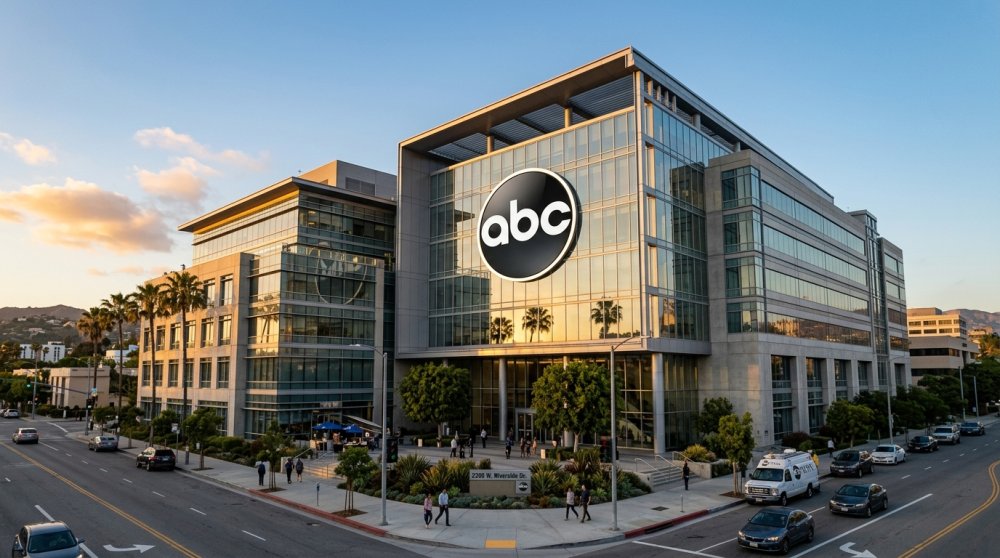
The Walt Disney Company has launched a federal lawsuit against the Federal Communications Commission, escalating a dispute over the company’s ABC television broadcast licenses. The legal action alleges the commission violated constitutional protections in its handling of Disney’s broadcast operations.
Disney’s complaint specifically targets what it characterizes as improper government interference with its ABC-owned stations. The company asserts that FCC actions represent retaliation that infringes on First Amendment speech protections.
All broadcasters have an obligation to operate in the public interest—even Disney.
Indeed, broadcasters made a deal with the American public—in exchange for free access to a valuable public resource (the airwaves) they agreed to meet their public interest obligations.
This sets… pic.twitter.com/GVz3p0b4nA
— Brendan Carr (@BrendanCarrFCC) August 19, 2026
Disney is arguing to the FCC that its ABC show The View is a “bona fide news program”
Disney claims that its decisions are based on “newsworthiness”—rather than partisan purposes—and thus exempt from political equal time rules
Here’s some of the show
The FCC will make its…
— Brendan Carr (@BrendanCarrFCC) July 30, 2026
The lawsuit arrives during a period of increased scrutiny of major broadcast networks and their stewardship of federally granted licenses. Traditional broadcasters operate under specific public interest obligations in exchange for free use of valuable spectrum.
Conservative media critics have long questioned whether legacy networks fulfill their public interest requirements, particularly regarding balanced news coverage. The broadcast licenses held by major networks represent significant assets that come with regulatory responsibilities.
Disney operates multiple ABC-owned television stations across major American markets. These stations broadcast using public airwaves under licenses granted by the FCC, which reviews these licenses periodically.
The entertainment conglomerate’s decision to pursue litigation against a federal regulatory agency represents a significant escalation. Legal experts note that First Amendment challenges against FCC actions face complex constitutional questions regarding government regulation of broadcast media.
The FCC has not yet filed a formal response to Disney’s allegations. The commission typically defends its regulatory authority as necessary to ensure broadcasters serve the public interest.
This legal battle unfolds as Americans increasingly question the role of major media corporations and their influence on public discourse. The outcome could have implications for how federal agencies interact with broadcast license holders.
Let us know what you think, please share your thoughts in the comments below.
