Entertainment
Outdoor Gear Giant Takes Legal Action Against Drag Performer Over Brand Misuse

Clear Facts
- Patagonia has filed a lawsuit against drag queen influencer Pattie Gonia for allegedly unauthorized use of their trademarked logo and branding
- The outdoor apparel company initiated legal proceedings in January to protect their intellectual property rights
- The case highlights growing tensions between corporate brand management and social media influencer marketing
A major outdoor apparel manufacturer has taken legal action against a social media personality over alleged trademark violations. The lawsuit represents the company’s effort to maintain control over how their brand image is used in the digital marketplace.
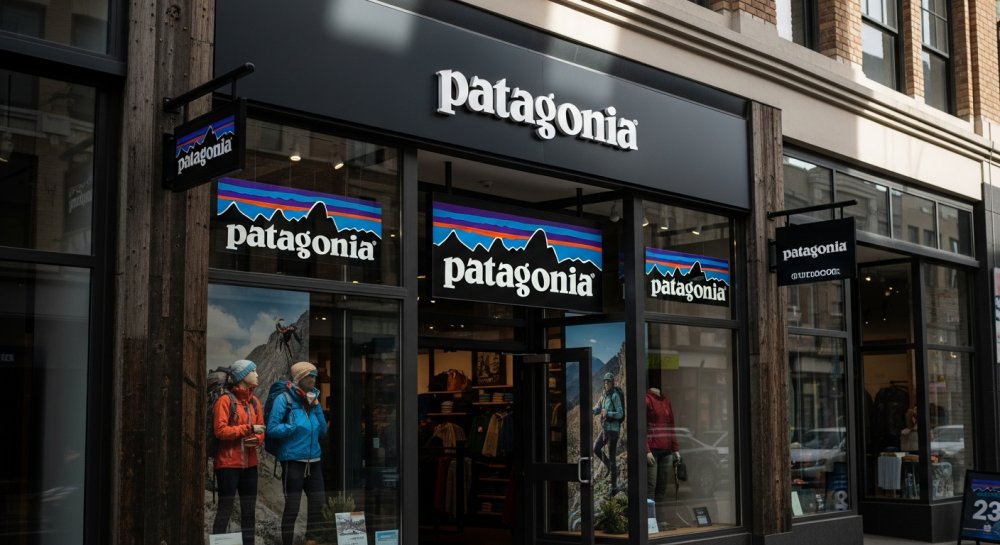
Patagonia, the California-based outdoor clothing company known for its environmental activism and premium gear, filed suit against Wyn Wiley, who performs under the drag persona Pattie Gonia. The legal action centers on claims that the influencer has been using Patagonia’s protected logo and branding without authorization.
The company launched the lawsuit in January, seeking to prevent further unauthorized use of their trademarked materials. Corporate attorneys argue that the influencer’s activities could create consumer confusion about official brand partnerships and endorsements.
Wiley has built a substantial social media following by combining drag performance with outdoor adventure content. The persona often features outdoor activities while in drag, creating content that blends LGBTQ representation with environmental themes.
The legal dispute raises questions about the boundaries between fan appreciation, creative expression, and trademark infringement in the age of social media influencers. Companies increasingly face challenges in controlling their brand image when content creators incorporate corporate logos and products into their personal brands.
Patagonia has historically maintained strict control over their brand identity and partnerships. The company carefully selects which causes and individuals it associates with, making unauthorized use of their trademarks a particular concern for their legal team.
The case also highlights the broader issue of how traditional trademark law applies to modern influencer marketing. As social media personalities build businesses around lifestyle content, the line between product placement, endorsement, and personal use becomes increasingly complex.
Legal experts note that companies have a responsibility to actively defend their trademarks or risk losing protection. Allowing unauthorized use can weaken trademark claims and create precedents that undermine brand control.
The outdoor industry has seen growing involvement in social and political causes in recent years. Brand partnerships and influencer relationships have become significant aspects of marketing strategy, making clear boundaries around official relationships more important than ever.
As of now, the lawsuit remains in active litigation. Neither party has publicly disclosed the specific terms being sought or whether settlement discussions are underway.
Let us know what you think, please share your thoughts in the comments below.
