Sports
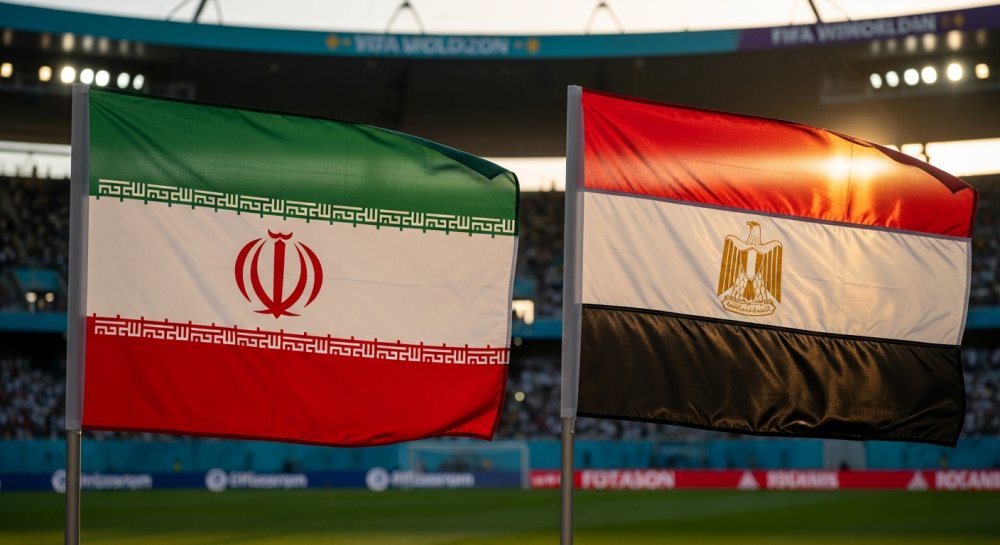
Iran and Egypt Demand FIFA Remove Pride Symbols From World Cup Match

Clear Facts
- Iranian and Egyptian soccer federations have formally requested FIFA remove rainbow symbols and LGBTQ Pride materials from their upcoming World Cup match
- The game between the two nations has been designated as the tournament’s “Pride Match” by FIFA
- Both countries cite religious and cultural values in their opposition to the Pride branding
Two Muslim-majority nations are standing firm against FIFA’s decision to brand their World Cup matchup with LGBTQ Pride messaging. The Iranian and Egyptian soccer federations have submitted formal protests demanding the removal of all rainbow symbols and Pride-related materials from the scheduled group stage contest.
FIFA designated the Iran-Egypt game as the 2026 World Cup’s official “Pride Match,” a decision that has sparked immediate backlash from both participating nations. The federations argue that the imposed branding conflicts with their deeply held religious and cultural principles.
🚨JUST IN: Iran wants FIFA to prevent any “ceremonies or promotional activities” in support of the LGBTQ community
Seattle’s local World Cup host committee has designated the upcoming game between Iran and Egypt a “Pride Match” pic.twitter.com/G3he27H1i7
— Polymarket Sports (@PolymarketSport) June 25, 2026
The controversy highlights the ongoing tension between international sporting organizations and nations that maintain traditional values on marriage and sexuality. Both Iran and Egypt have laws and cultural norms rooted in Islamic teachings that do not recognize LGBTQ identities as compatible with their religious frameworks.
This is not the first time FIFA’s progressive social messaging has clashed with participating nations’ values. During the 2022 World Cup in Qatar, similar disputes arose over rainbow armbands and other Pride symbols, with several European teams ultimately backing down from planned protests after FIFA threatened sporting sanctions.
The Iranian and Egyptian federations have not indicated they will boycott the match, but their joint stance represents a significant challenge to FIFA’s authority to impose social messaging on sovereign nations. The situation puts FIFA in a difficult position as it attempts to balance its stated commitment to “inclusion” with respect for diverse cultural and religious traditions among its global membership.
As of publication, FIFA has not responded publicly to the protest. The world governing body will need to decide whether to accommodate the religious objections of two member nations or enforce its Pride branding over their stated concerns.
The outcome of this dispute could set precedent for how international sports organizations navigate cultural differences on sensitive social issues. Traditional values advocates argue that FIFA should respect the sovereignty and religious convictions of all member nations rather than imposing a single ideological framework.
Let us know what you think, please share your thoughts in the comments below.

ed
June 27, 2026 at 2:54 pm
it seems as if FIFa did this deliberately to just cause trouble.
Tony
July 3, 2026 at 9:42 am
Yea get that stuff off, but wait what about child brides and female circumcisions ?