Finance
What Your Burrito Really Costs Under Biden’s Economy

Clear Facts
- Burrito prices have surged to $20 or more at many establishments across America
- Food inflation has dramatically impacted restaurant costs, particularly affecting quick-service chains
- Rising ingredient costs and labor expenses have forced restaurants to pass increases directly to consumers
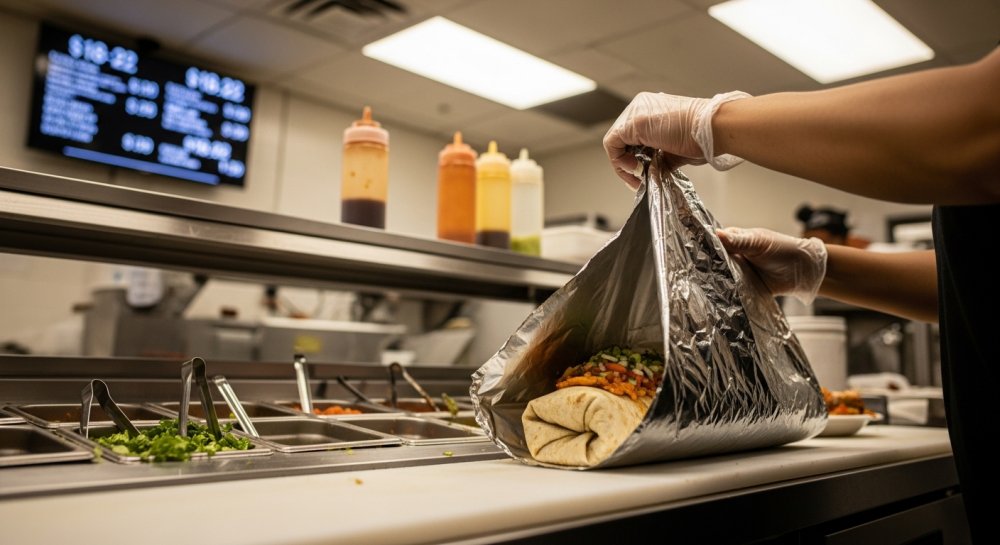
The American burrito has become an unlikely symbol of the Biden administration’s inflation crisis. What was once an affordable meal option now regularly exceeds $20 at restaurants nationwide, forcing working families to reconsider even their most basic dining choices.
Food service establishments across the country are grappling with unprecedented cost increases. From tortillas to meat to vegetables, every component of the classic burrito has seen dramatic price hikes that restaurants can no longer absorb.
One of our TPUSA college students gave me his take on affordability:
“A burrito shouldn’t cost $20.”
Yeah, a lot of this is a hangover from Covid and Biden-era inflation, but the lived experience is the same: It just feels like basic things cost too much. https://t.co/GEvmbea57o
— Andrew Kolvet (@AndrewKolvet) August 4, 2026
Cry me a river. The burritos in the college cafeteria are included in your meal plan. https://t.co/lQCDSW23Zy
— Marc Thiessen (@marcthiessen) August 5, 2026
Current "common good conservative" inflation messaging: $20 burritos are a human right but also every serious methodology for making them cheaper (i.e. kill the tariffs, break the unions, and deregulate the food supply chain) isn't America First, so we need to complain a lot… https://t.co/GKST1az6jf
— Ben Shapiro (@benshapiro) August 5, 2026
Watching neocons who spent nearly $10 trillion of other people’s money to prosecute wars they refused to fight melt down for days over how people with real jobs spend their own money has been quite the education. https://t.co/hcQ4WQgQKk
— Sean Davis (@seanmdav) August 6, 2026
Burrito discourse is really about participation in social life rather expectations about consumption.
What are the cheap, egalitarian spaces that young people are supposed to hang out in? Where can they eat, drink, and be social?
‘Make it at home and save 💵’ misses the point. https://t.co/zgtcbtiSOQ
— Coddled Affluent Professional (@feelsdesperate) August 6, 2026
Crazy to see "free-market conservatives" tell anxious young people to shut up and accept double-digit inflation, instead of taking the opportunity to explain that inflation is a direct result of bad government policy.
It's perfectly fine to notice that burritos shouldn't be $20.
— Christopher F. Rufo ⚔️ (@christopherrufo) August 5, 2026
The burrito inflation crisis reflects broader economic failures that have squeezed American households for years. When everyday meals become luxury purchases, something has fundamentally broken in our economic system.
Quick-service Mexican restaurants, once known for value and accessibility, now face an impossible choice. They must either raise prices to unsustainable levels or compromise on portion sizes and ingredient quality, disappointing loyal customers either way.
Industry analysts point to multiple inflationary pressures converging simultaneously. Supply chain disruptions, increased labor costs driven by minimum wage mandates, and agricultural commodity inflation have created a perfect storm for food service operators.
The $20 burrito represents more than just a single overpriced meal. It symbolizes how far the dollar has fallen and how much harder American families must work to maintain their standard of living.
Small business owners in the restaurant industry face particularly acute challenges. Unlike corporate chains with deep pockets and purchasing power, independent operators have little leverage to negotiate better prices from suppliers or absorb losses during difficult periods.
Consumer behavior has begun shifting in response to these price increases. Many Americans now view restaurant meals as occasional treats rather than regular conveniences, fundamentally altering the quick-service industry’s business model.
The inflation affecting burritos extends across the entire food service sector. Pizza, sandwiches, and other traditional value meals have all seen similar price explosions, leaving fewer affordable options for families on tight budgets.
Economic relief appears unlikely in the near term. With inflation remaining stubbornly elevated despite Federal Reserve intervention, restaurant operators and consumers alike face continued pressure on their wallets.
The burrito price surge serves as a daily reminder to millions of Americans that their purchasing power has eroded significantly. What previous generations took for granted—affordable, accessible food—has become increasingly out of reach for working families.
This inflation crisis didn’t happen by accident. Massive government spending, supply chain mismanagement, and anti-business policies have combined to produce the highest sustained inflation in four decades, with no clear end in sight.
Let us know what you think, please share your thoughts in the comments below.
