Sports
Young Atlanta Athletes to Walk Alongside World Cup Legends in Historic Moment

Clear Facts
- 150 young Atlanta athletes from Soccer in the Streets will escort World Cup players onto the field during all eight games at Atlanta Stadium
- The player escort program, sponsored by Quaker Oats, provides 1,400 children from underserved communities across 11 U.S. host cities access to the world’s biggest sporting event
- Soccer in the Streets serves 2,500 kids annually through free inner-city programs, removing financial barriers to youth sports participation
The 2026 FIFA World Cup has arrived, and American communities are stepping up to give deserving young athletes opportunities they’ll remember for a lifetime. At every World Cup game, children between the ages of 6 and 10 will escort players onto the field before kickoff—a tradition that dates back to 2002.
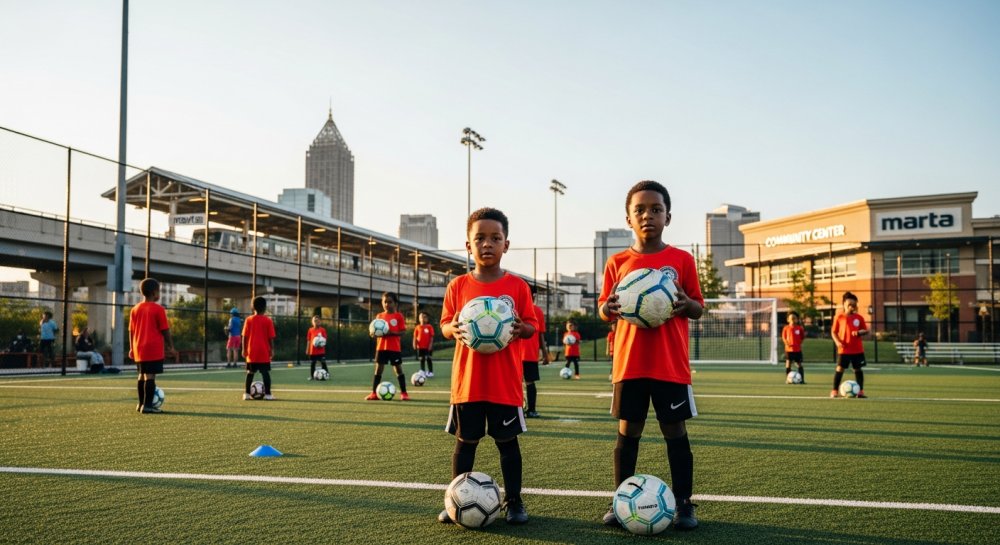
In Atlanta, 150 young soccer players from Soccer in the Streets will walk hand-in-hand with international stars at all eight games hosted at Atlanta Stadium. The nonprofit organization has spent years building free soccer programs across the greater Atlanta area, ensuring no child is denied access to the sport because of economic hardship.
“Access starts with making it free for all kids so that no one is, has a barrier of cost to playing this beautiful game,” says Soccer in the Streets Executive Director Kaseem Ladipo.
The organization serves 2,500 children annually through programs like StationSoccer, which strategically places soccer fields near six different train stations across Atlanta. This innovative approach removes transportation barriers that often keep inner-city youth from participating in organized sports.
Quaker Oats, the breakfast sponsor for FIFA and the player escort program, partnered with more than 30 community organizations across 11 United States host cities to provide 1,400 young people from underserved communities the chance to walk players onto the pitch.
“They’ll have an opportunity to be hand in hand with a FIFA legend or soon-to-be FIFA legend,” Ladipo explained.
Among the 150 Atlanta participants are two brothers from the West End location: Asun, 8, and Asir, 10. Their mother, Erica Holloman-Hill, has four sons who all play for StationSoccer—she calls them the “A-team.”
“It’s definitely turned our household into a football household,” Holloman-Hill said.
The mother of four admits she was initially hesitant about the program when she first heard about the vision for StationSoccer. Two years later, all four of her boys are thriving. Beyond athletic development, she’s witnessed character growth she never imagined.
When asked what their favorite part of playing together is, 12-year-old Asad immediately responded: “We get to teach each other skills, and we get to see how good they are.”
Asun and Asir were selected to attend a ‘Breakfast Academy’ hosted by Quaker Oats, where young athletes learned about proper nutrition and developed leadership skills on and off the field.
“We learned a lot of things about the fine grains, whole grains, half grains, water, fruit and all the other stuff,” Asun explained.
After demonstrating exceptional leadership and commitment, the two brothers earned the honor of walking alongside players at the South Africa vs. Czechia game on June 18th at Atlanta Stadium. For these young Americans, it represents the fulfillment of hard work, dedication, and the power of community investment in youth.
Asir admits he’s feeling the weight of the moment: “A little bit kind of nervous because I never escorted anyone.”
But the excitement outweighs any anxiety. The 10-year-old says every day he’s thinking about being on the pitch—and even when he’s not awake.
“I think about it in my sleep, too.”
The player escort tradition began in 2002 when UNICEF and FIFA partnered for the “Say Yes for Children” campaign. It has since become one of the most recognizable and heartwarming moments of every World Cup opening ceremony.
Programs like Soccer in the Streets demonstrate the positive impact private-sector partnerships and community organizations can have when they work together to expand opportunity for American children. By removing financial and logistical barriers, these initiatives ensure that talent and determination—not zip code or family income—determine who gets to pursue their dreams.
Let us know what you think, please share your thoughts in the comments below.

Eileen
June 14, 2026 at 11:25 am
When my daughter was a young girl of about 8 years old, she told me she did not want to play soccer anymore due to the amount of running in the game. So, instead, she learned to play several different musical instruments, including the flute, piano, and violin.
It is great these kids have such a great program to direct their energy into as they grow up. Kids used ot play baseball in the streets and as they grew some did enter professional playing.
Kids simply NEED ways to exhaust their energy!