Politics
Justice Department Brings Fraud and Money Laundering Charges Against Southern Poverty Law Center

Clear Facts
- The Department of Justice has charged the Southern Poverty Law Center with fraud and money laundering
- The charges involve alleged connections to violent extremist groups
- The SPLC has long positioned itself as a civil rights watchdog organization
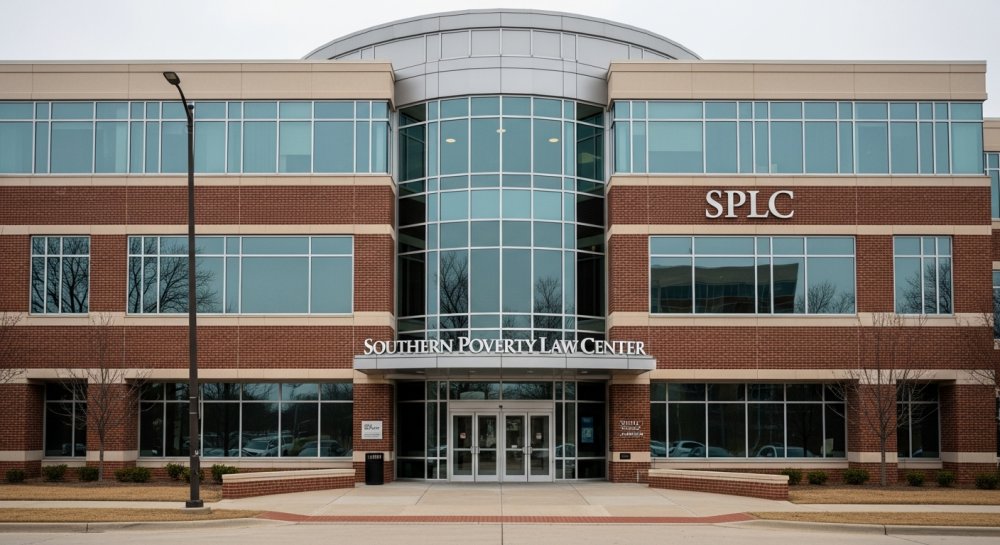
The Department of Justice announced significant criminal charges against the Southern Poverty Law Center, a long-standing progressive advocacy organization that has positioned itself as a monitor of hate groups and extremism in America. The charges include fraud and money laundering related to alleged involvement with violent extremist groups.
This development marks a dramatic turn for an organization that has wielded considerable influence in American political and media circles for decades. The SPLC has maintained extensive donor networks and accumulated substantial financial resources while claiming to combat racism and extremism across the country.
The Justice Department’s action raises serious questions about the organization’s operations and funding mechanisms. For years, conservative voices have criticized the SPLC for what they characterize as partisan targeting of mainstream conservative groups while ignoring left-wing extremism.
The fraud and money laundering allegations suggest potential criminal conduct in how the organization has managed its finances and donor contributions. These charges could expose internal practices that have remained shielded from public scrutiny despite the organization’s high profile in progressive activism.
The reference to “manufacturing racism to justify its existence” points to long-standing conservative criticisms that the SPLC has exaggerated threats and mislabeled legitimate organizations to maintain donor funding and organizational relevance. This strategy, critics argue, has allowed the group to amass significant wealth while pursuing a partisan political agenda.
The charges represent a significant shift in how federal law enforcement addresses organizations that have operated with minimal accountability despite their substantial influence on public discourse and corporate policy. Many companies and institutions have relied on SPLC designations when making decisions about partnerships and platform access.
As this case proceeds through the justice system, it will test whether the organization’s claimed mission aligns with its actual practices and financial management. The outcome could have far-reaching implications for how advocacy organizations operate and maintain transparency with donors and the public.
Let us know what you think, please share your thoughts in the comments below.
